Possible Bahrain-Based U.S.-Supplied HIMARS Launch Toward Iran Raises Gulf Security Concerns
A video posted on X on the 7th shows two missile launchers firing toward Iran, and the New York Times reported on the 13th that the missiles appear to have been fired from northern Bahrain toward Iran. The NYT cited footage captured in a Bahraini urban area near an airport and said the attack would mark the first confirmed case of a strike from a Persian Gulf state against Iran.
Two military experts interviewed by the NYT told the paper the weapon in the footage resembles an M142 High Mobility Artillery Rocket System, or HIMARS. If verified, the launch would involve a U.S.-supplied system operating under the umbrella of American forces stationed in Bahrain rather than Bahraini troops.
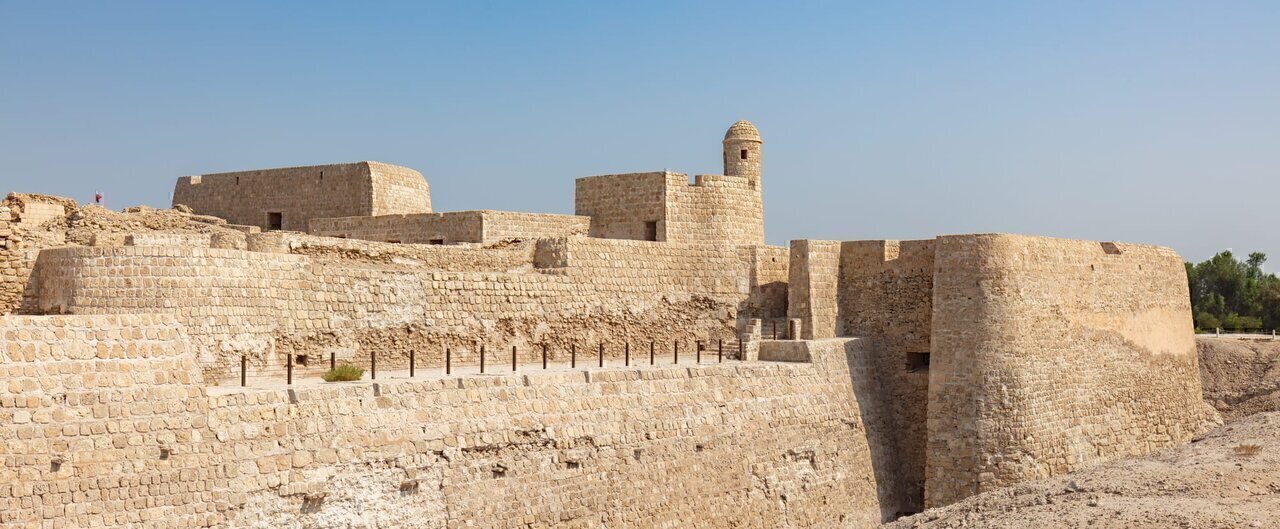
Bahrain hosts the U.S. Fifth Fleet headquarters, with British forces also present in the country. The United States has said that HIMARS is in use there, underscoring Bahrain’s role as a key U.S. and allied military hub in the Persian Gulf.
Last August, Bahrain agreed to purchase four HIMARS from the United States, though typical delivery timelines for such systems can stretch over several years. The potential involvement of Bahraini territory in any strike remains a point of contention, given the absence of official confirmation.
If the attack did originate from Bahrain, Iran’s potential retaliation would be a significant concern. Bahraini authorities said Iran has fired roughly 100 missiles and 191 drones at Bahrain since the war began, though officials from both the United States and Bahrain have declined to confirm the launch details tied to Bahrain.
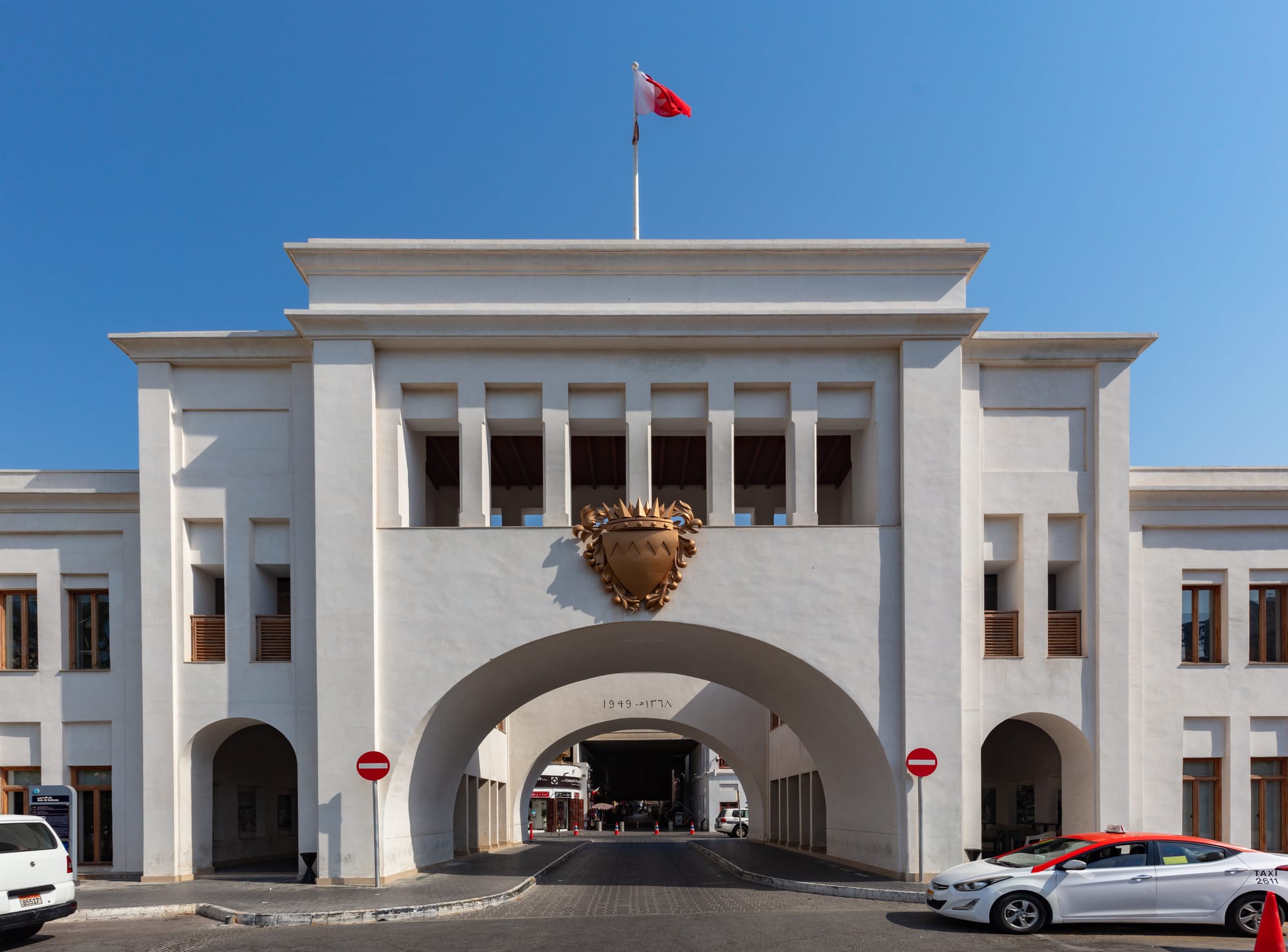
The U.S. Department of Defense declined to comment on whether a launch occurred from Bahrain. The Bahraini government said Bahraini forces did not participate in any offensive operation and did not address the status of U.S. forces on the ground. A Bahraini official noted that Bahrain has endured ongoing Iranian missile and drone attacks and asserted that the country will not tolerate such aggression while reserving the right to respond.
Beyond the region, the episode matters for U.S. readers because it highlights the fragility of Gulf security, the presence of American and allied forces in a strategically vital area, and the potential spillover effects on the global economy. Any escalation in the Persian Gulf can affect shipping routes, energy markets, and the broader posture of U.S. security commitments in the Middle East.