Iran Warns Western Energy Targets Could Be Attacked If Its Oil Infrastructure Is Struck
Iran warned via state media on Tuesday that energy facilities owned by oil companies cooperating with the United States in the Middle East would be attacked if Iran’s own oil and energy infrastructure came under attack. The warning followed a claim by former U.S. President Donald Trump that the U.S. Central Command had carried out “one of the most powerful” bombardments in Middle East history and had destroyed all military targets on Kharg Island, while sparing its oil facilities. Trump also said he would reconsider the decision if Iran or others threaten freedom of navigation through the Strait of Hormuz.
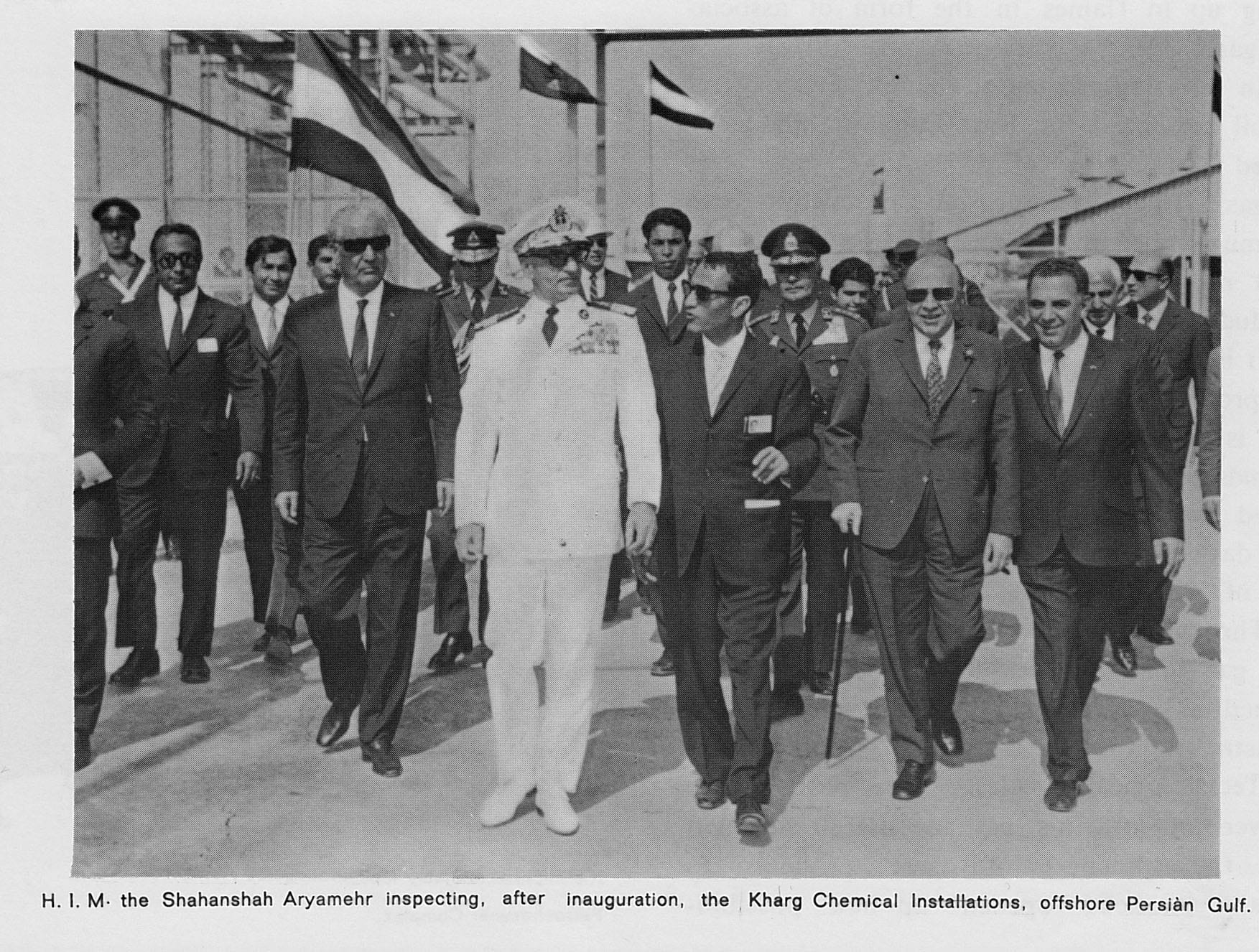
Kharg Island sits deep in the Persian Gulf and is Iran’s principal oil export terminal. The island handles a large share of Iran’s crude exports, with reports attributing 80–90% of Iran’s oil shipments to its export facilities on Kharg.
State media quoted Iran’s forces as indicating that the attack targeted military facilities on Kharg Island rather than the oil export terminal itself. The Iranian warning ties the fate of Western-linked energy infrastructure to broader regional hostilities, signaling potential countermeasures if Iran’s infrastructure comes under attack in any future Middle East operation.
For U.S. readers, the development matters because Kharg’s role makes the island a strategic lever in Iran’s economy and in the stability of regional energy supplies. Any escalation around Kharg or broader Gulf tensions could affect global oil markets and energy prices, with spillover effects on American drivers, businesses, and national security planning.
Contextual background helps non-Korean readers: Kharg Island is an offshore export hub for Iran’s crude, located in the Persian Gulf rather than directly at the Strait of Hormuz, a chokepoint through which a substantial portion of global oil flows. The United States maintains a security posture in the region and has emphasized freedom of navigation and protection of allied shipping lanes in the Gulf, making Iran’s statements and any potential reprisals of international energy infrastructure particularly consequential for U.S. policy and markets.
The episode underscores a pattern of heightened rhetoric and the potential for rapid escalation in Iran–U.S. tensions. Washington and Tehran have repeatedly signaled red lines over energy facilities and shipping, raising the risk that miscalculation could widen a conflict with global economic implications.