U.S. redeploys 2,500 Marines, USS Tripoli to Middle East for deterrence, not invasion
According to an Associated Press report citing an unnamed U.S. military official, about 2,500 Marines from the 31st Marine Expeditionary Unit and the amphibious assault ship USS Tripoli are being redeployed to the Middle East. The personnel and the ship are described as equipped and trained for potential amphibious operations, as well as embassy security, civilian evacuation, and disaster-relief missions.
The official stressed that while the number of troops in the region is rising, it does not indicate an imminent ground invasion or operational action. The move is framed as a force-protection and deterrence measure, rather than a prelude to large-scale combat.
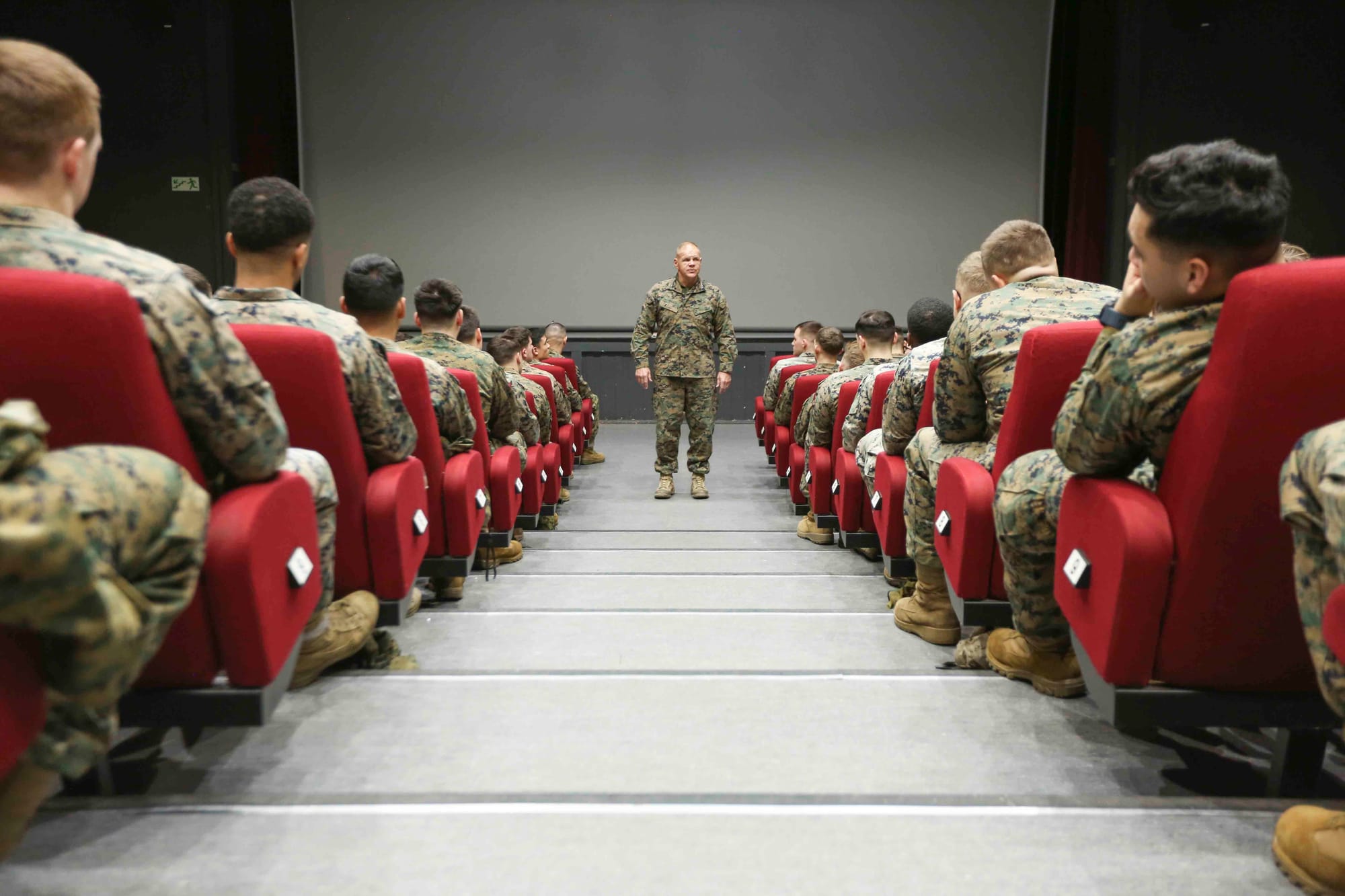
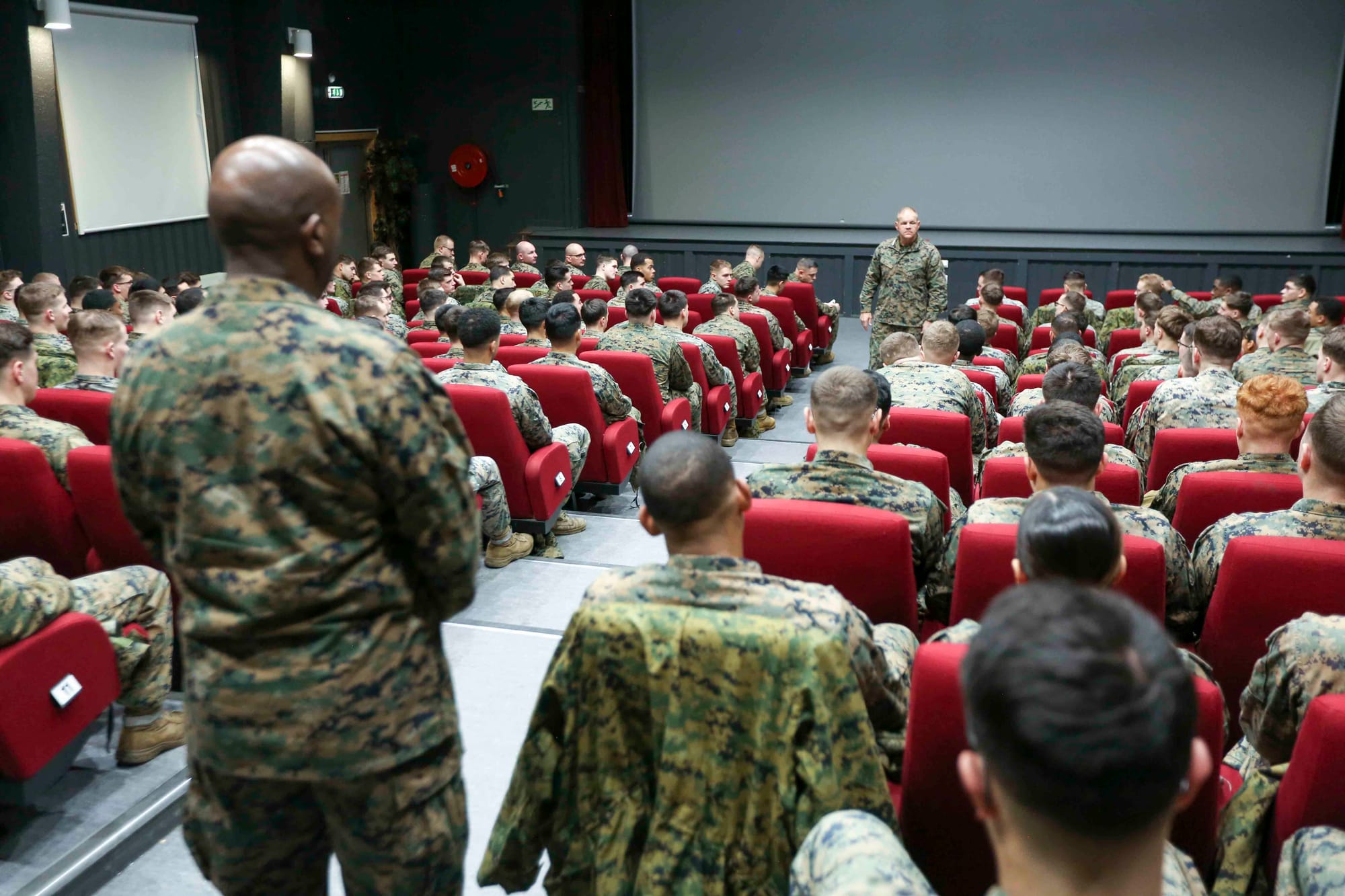
AP also published photos of the 31st MEU and the USS Tripoli, along with other amphibious ships and Marines being prepared for deployment. The outlet said the forces are expected to arrive near Iran in about a week.
The 31st Marine Expeditionary Unit is a self-contained, rapid-reaction force within the U.S. Marine Corps, designed to respond quickly to crises abroad. The USS Tripoli is an amphibious assault ship that transports Marines and supports landing operations, helicopters, and other maritime-lift capabilities.
For U.S. readers, the development matters beyond Korea because it signals Washington’s ongoing effort to deter regional escalation in the Middle East, protect American personnel and facilities, and reassure allies in a volatile corridor of the Persian Gulf. Such deployments can affect regional security calculations, influence oil and energy markets, and shape global supply chains tied to Middle East stability.
Analysts will watch how this force posture interacts with Iran-related tensions, Gulf partners’ security needs, and potential diplomatic efforts in the region. The move underscores Washington’s preference for visible, flexible force presence to respond to crises without committing to immediate ground operations.
Overall, the deployment illustrates the United States’ readiness to surge forces on short notice for protection, evacuation, and relief missions, while signaling to adversaries and allies alike that U.S. military options remain adaptable in a high-risk security environment.