South Korean Radiologist Links Sugar, Refined Carbs in Common Foods to Pancreatic Risk

A radiologist in South Korea has singled out several everyday foods as potential threats to pancreatic health, including kimbap, tteok, fruit juice, and mix coffee. He says refined carbohydrates and added sugars can cause rapid blood sugar spikes that place long-term stress on the pancreas, potentially raising the risk of diabetes and pancreatic cancer.

Dr. Lee Won-kyung, a radiology specialist, argued that sugar consumption is linked not only to diabetes but also to pancreatic cancer, and urged people to avoid these four items in daily life. He pointed to a reported 19% rise in diabetes patients over the past five years in Korea and noted that many Korean foods are high in sugar or sweet sauces, including gochujang.
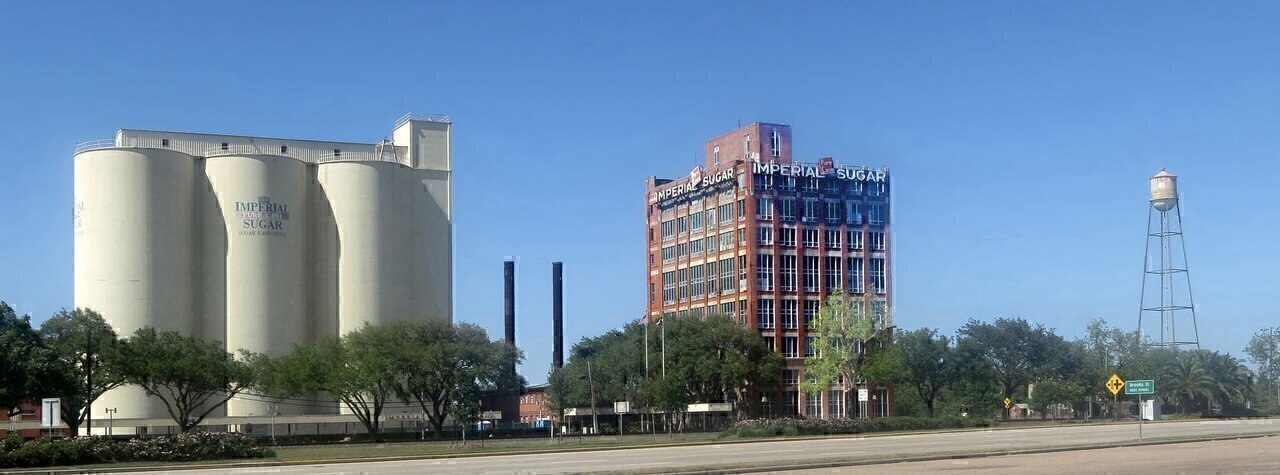
The Sugar Land Refinery.
Stephen F. Austin's colonists brought sugar cane to Fort Bend County in the 1820s. The Sugar Land area was once part of Oakland Plantation, where Nathaniel and Matthew Williams planted sugar cane about 1840. They began processing the cane in 1843 using a horse-powered mill and open-air cooking kettles. In 1853 the plantation and mill were purchased by William J. Kyle and Benjamin F. Terry. They improved the mill and promoted a railroad for the area, which they named Sugar Land. Terry later helped organize the famed Confederate cavalry unit, Terry's Texas Rangers, and was killed in the Civil War. After the war, the operation was sold to Edward H. Cunningham, who expanded the sugar mill into a refinery. W. T. Eldridge and Galveston businessman I. H. Kempner, Sr. bought the refinery in 1907. They began importing raw sugar to operate the refinery year-round because local cane was available only seasonally and in decreasing quantities in the early 1900s. Named by Kempner for the Imperial Hotel in New York City, the Imperial Sugar Company and the City of Sugar Land have grown steadily. During the 1970s, the Imperial Sugar Company produced more than three million pounds of refined cane sugar daily.
Representative image for context; not directly related to the specific event in this article. License: CC BY-SA 4.0. Source: Wikimedia Commons.

Among the foods, tteok rice cake tops the list as the worst for the pancreas. He described tteok as a refined-carbohydrate staple that triggers blood sugar spikes. If consumption is unavoidable, he suggested brown-rice tteok, which he said has a lower glycemic index by about 20% and higher dietary fiber than white rice versions.

Kimbap, a popular convenience-store staple, was also flagged. Lee noted that the rice in kimbap often contains sweeteners and sugar, compounding refined-carbohydrate effects when combined with seasonings. A single roll typically ranges from 450 to 600 calories, with tuna or cheese additions pushing the total higher.

The official also warned about fruit juice and mix coffee. Mix coffee, containing sugar and creamer, can cause a rapid rise in blood sugar, increasing the risk of high cholesterol and diabetes with daily use. Fruit juice, when blended from whole fruit, can lead to quick sugar absorption into the bloodstream, producing blood sugar spikes.
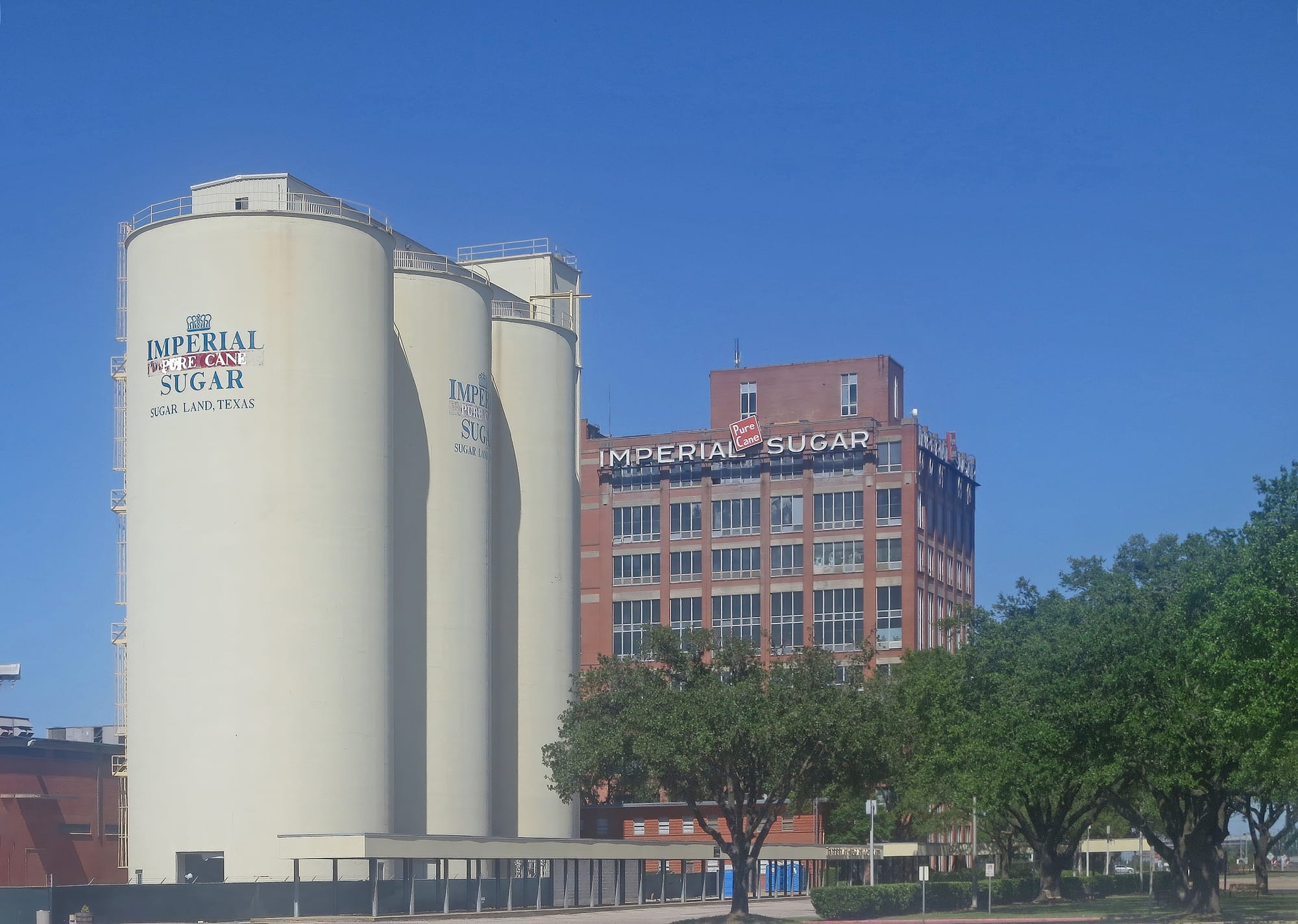
Stephen F. Austin's colonists brought sugar cane to Fort Bend County in the 1820s. The Sugar Land area was once part of Oakland Plantation, where Nathaniel and Matthew Williams planted sugar cane about 1840. They began processing the cane in 1843 using a horse-powered mill and open-air cooking kettles. In 1853 the plantation and mill were purchased by William J. Kyle and Benjamin F. Terry. They improved the mill and promoted a railroad for the area, which they named Sugar Land. Terry later helped organize the famed Confederate cavalry unit, Terry's Texas Rangers, and was killed in the Civil War. After the war, the operation was sold to Edward H. Cunningham, who expanded the sugar mill into a refinery. W. T. Eldridge and Galveston businessman I. H. Kempner, Sr. bought the refinery in 1907. They began importing raw sugar to operate the refinery year-round because local cane was available only seasonally and in decreasing quantities in the early 1900s. Named by Kempner for the Imperial Hotel in New York City, the Imperial Sugar Company and the City of Sugar Land have grown steadily. During the 1970s, the Imperial Sugar Company produced more than three million pounds of refined cane sugar daily.
Representative image for context; not directly related to the specific event in this article. License: CC BY-SA 3.0. Source: Wikimedia Commons.

The pancreas is said to have limited regenerative capacity, and early signs of pancreatic cancer are often absent. Because detection is frequently late, the doctor emphasized dietary changes aimed at boosting fiber intake from leafy green vegetables and reducing added sugars in processed foods as a preventive approach.

Why this matters beyond Korea for U.S. readers: The case underscores a global concern about rising sugar consumption and metabolic diseases such as diabetes, which carry wide-ranging implications for healthcare costs, dietary guidelines, and food industry practices in the United States. As American consumers increasingly encounter Korean and other Asian foods in diverse dining and retail settings, understanding how refined carbohydrates and added sugars affect health can influence product formulation, labeling, and public-health messaging. The story also highlights the cross-border relevance of nutrition science in shaping policies, supply chains, and market demand for healthier ingredients in ethnic and mainstream foods.

Subscribe to Journal of Korea

Don’t miss out on the latest issues. Sign up now to get access to the library of members-only issues.
jamie@example.com
Subscribe