UN chief urges immediate ceasefire, expanded aid for Lebanon amid Israel-Hezbollah fighting
As fighting between Israel and Hezbollah intensifies, United Nations Secretary-General Antonio Guterres visited Beirut and called for an immediate ceasefire and expanded humanitarian aid to Lebanon. He spoke amid daily Israeli airstrikes and warnings for further operations near Lebanese towns.
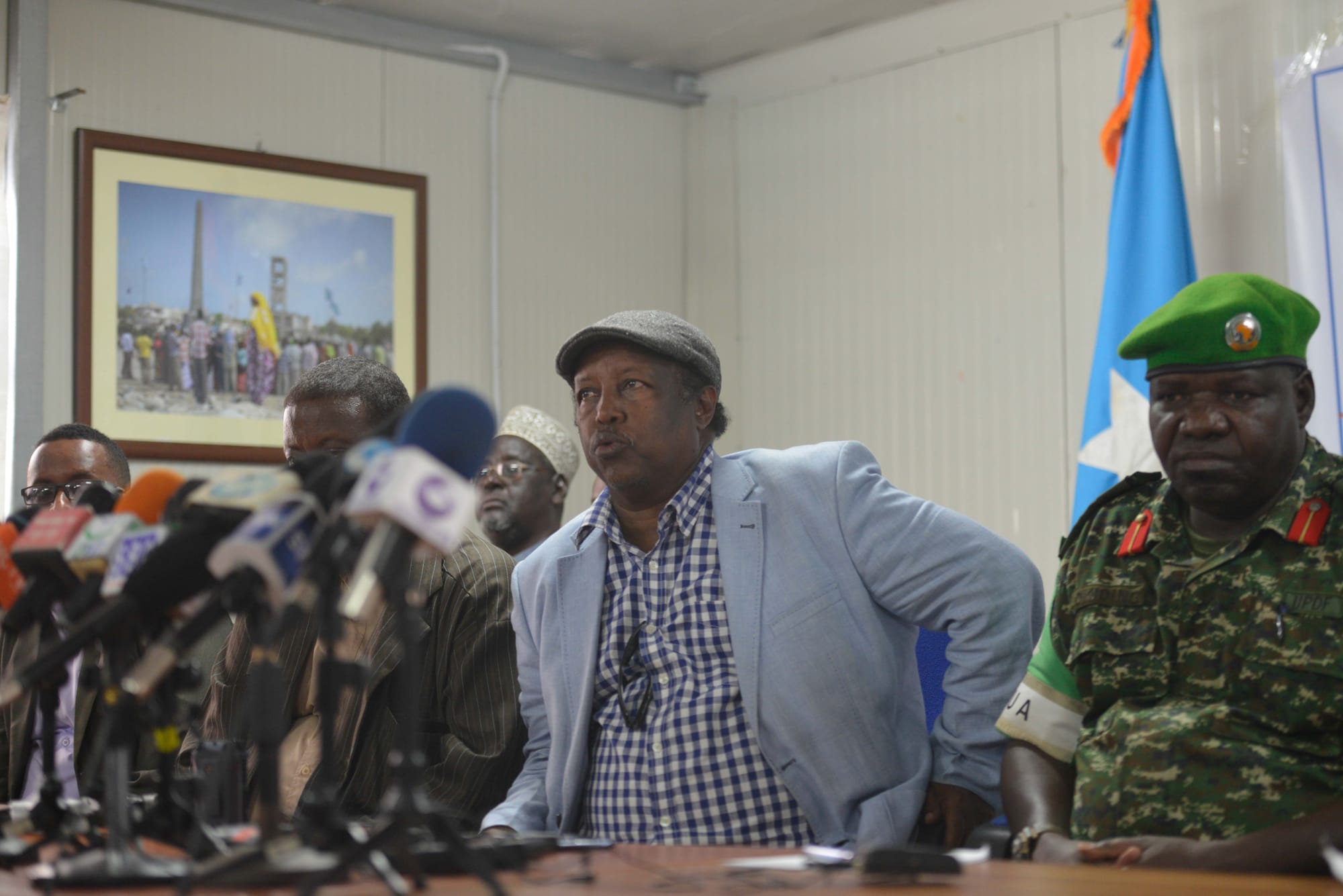
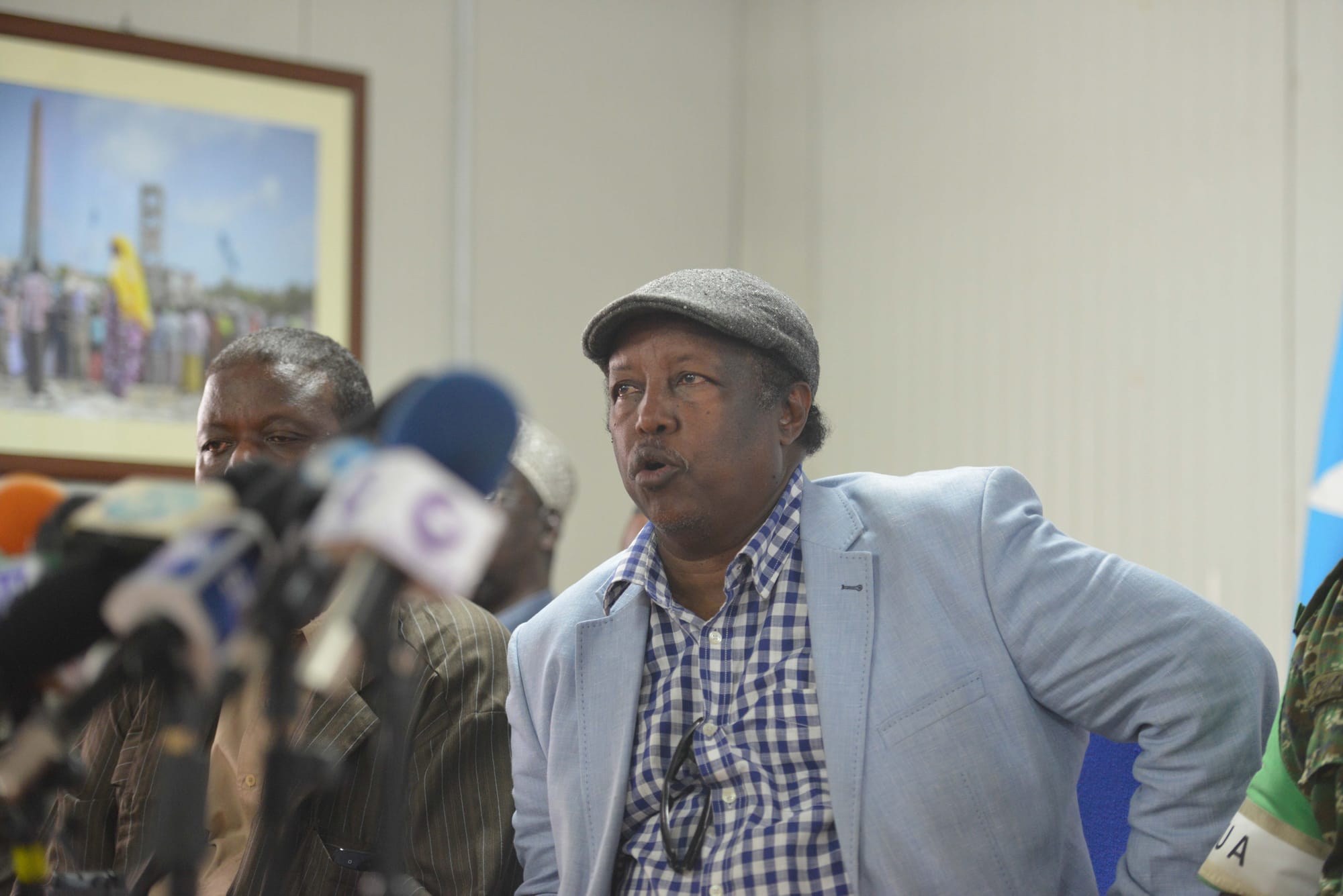
At a Beirut press conference, Guterres framed the visit as a show of solidarity with the Lebanese people and warned that a wider regional war would produce massive casualties, including in Lebanon. He appealed for about $383 million in urgent humanitarian assistance to address the needs of those affected.
The U.N. reports that the conflict has forced more than 810,000 people to flee their homes in Lebanon since fighting began between Israel and Hezbollah. Hezbollah is a Shiite Muslim group backed by Iran, formed after Lebanon’s 1982 civil conflict and the Israeli invasion, and it remains a key player in Lebanon’s security landscape.
Israel has continued airstrikes across southern Lebanon and, at times, near Beirut, with authorities advising residents in several areas to evacuate. Guterres noted that evacuation orders have expanded to areas far beyond typical war-front zones, and that access to food, water, medical care, education and other essential services is severely constrained.
Guterres held talks with Lebanon’s President Michel Aoun before the press conference, reiterating his call for an immediate end to the fighting and a real ceasefire. The meeting underscored concerns about civilian harm and the humanitarian toll on Lebanon’s population.
For international readers, the crisis matters beyond Lebanon because a broader Middle East war can affect regional security, energy markets, and global supply chains. A large-scale conflict risks spillovers that could disrupt shipping routes through the eastern Mediterranean and nearby chokepoints, with implications for U.S. allies and global markets.
U.S. policymakers are closely monitoring the situation for risks to regional stability, humanitarian access, and diplomacy. The conflict also intersects with broader U.S. interests in preventing escalation, maintaining humanitarian channels, and safeguarding energy security in a volatile region.