KFC Korea raises prices on 23 items amid won-dollar exchange rate.
KFC Korea has announced price adjustments affecting 23 menu items, citing a high won-dollar exchange rate and rising costs for raw materials and other expenses. The Original Chicken will go up by 300 won, while other chicken items will rise by 200 won each. Among items that will not see a price increase are 29 items including Zinger Burger, Twister, Kenchi-bap, and various sauces, which will stay at current prices. The Zinger Double-Down Drumstick is set to be 100 won cheaper, and Hot Wings (two pieces) will be 300 won cheaper.
The company said it is necessary to adjust prices in response to macroeconomic pressures, but it is also taking steps to mitigate the impact on consumers. To ease the burden, some items will be discounted or kept at existing prices, and promotions such as Chicken Night and Chicken All Day will continue.
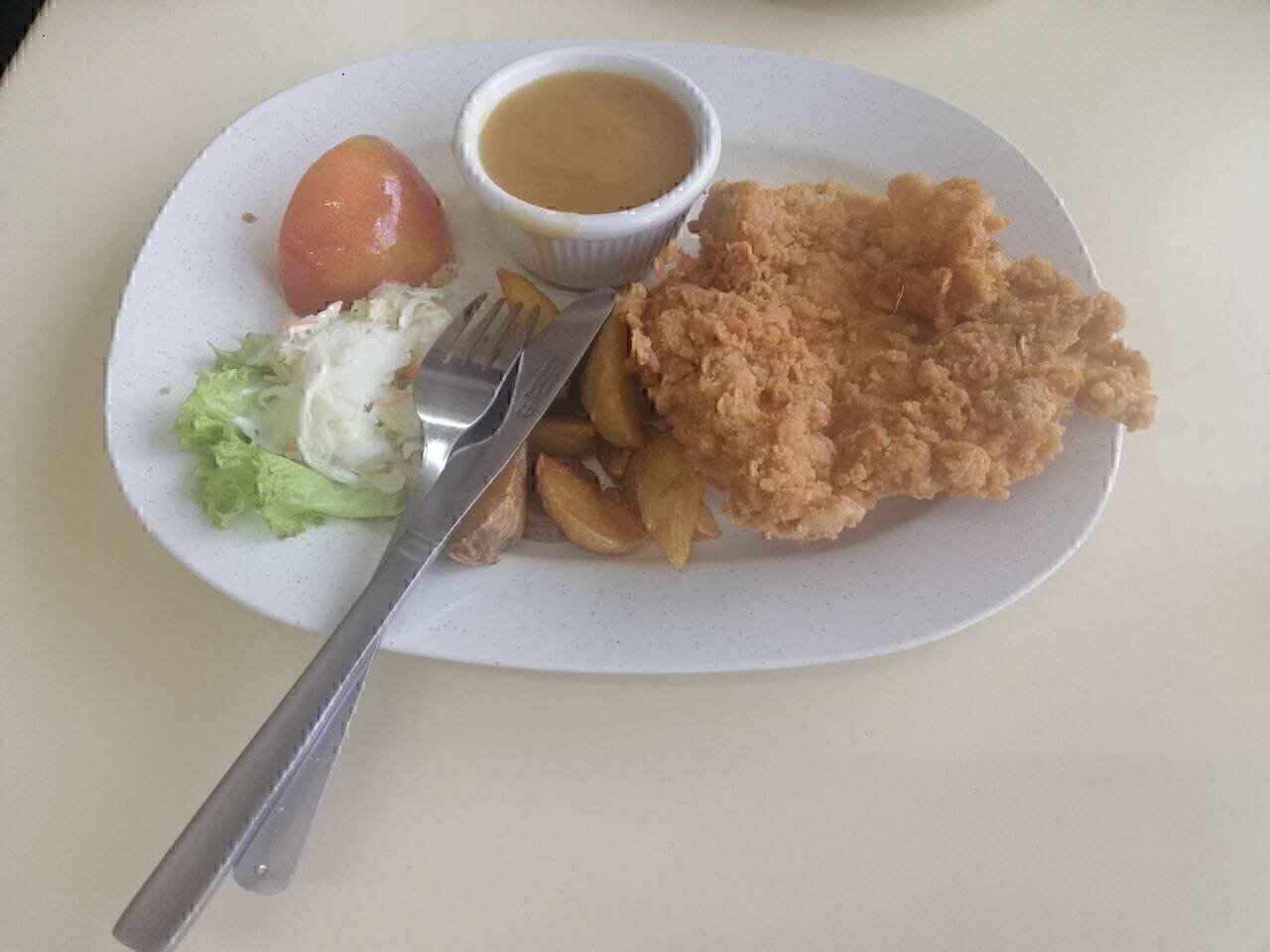
The move underscores how currency fluctuations and changes in commodity costs affect pricing strategies for global fast-food brands operating in Korea, one of Asia’s largest consumer markets. KFC Korea is part of Yum! Brands, the U.S.-based parent company that operates KFC outlets worldwide, and pricing decisions in Korea can influence its broader regional and global earnings.
For U.S. readers, the development highlights how macroeconomic factors—such as exchange rates and raw-material costs—translate into consumer prices abroad, even for familiar brands. Inland price changes in major overseas markets can, in turn, affect investor sentiment, corporate earnings reports, and how multinational chains manage procurement and menus across borders.
Economy and policy context matters as well. Inflation and currency volatility in Korea have ripple effects through consumer spending, retail competition, and supplier contracts. While these adjustments are taken in a single market, they reflect broader pressures faced by global franchises and their supply chains, including U.S. companies with international exposure.
In practical terms, residents and visitors in Korea can expect continued promotions alongside occasional price shifts as firms navigate costs. For U.S. audiences, the situation provides a case study in how overseas pricing responds to macroeconomic headwinds and what that implies for multinational brands and global markets.