South Korea Overhauls Industrial Electricity Tariffs to Align With Solar Power
The Ministry of Climate, Energy and Environment and Korea Electric Power Corporation announced a major update to Korea’s industrial electricity tariffs, following deliberations by the Electric Power Commission. The reform aims to steer electricity demand toward daytime hours when solar power is plentiful, in an effort to better align prices with renewable energy supply.
Under the new plan, weekday daytime rates will be restructured to encourage more daytime consumption. The morning 11 a.m.–noon and the 1 p.m.–3 p.m. periods, previously among the highest demand intervals, will be moved from peak to mid-load status. The 6 p.m.–9 p.m. period, which had been treated as a mid-load interval, will be raised to peak. From 9 a.m. to 3 p.m., daytime tariffs will be unified to mid-load rates.
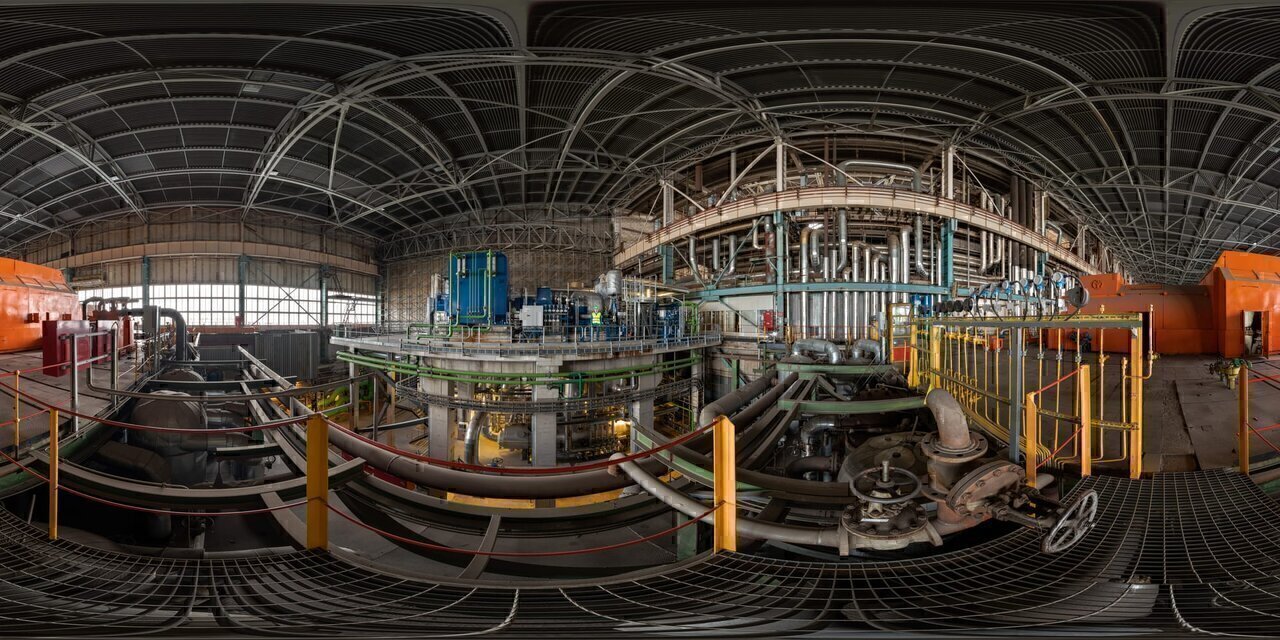
The reform targets not only industrial users but also other consumer categories such as general and educational institutions, expanding the change beyond large manufacturers. Officials described the shift as a way to better match pricing with when electricity demand and solar output are most favorable.
For large industrial customers, daytime electricity prices are expected to drop on average by 15.4 won per kilowatt-hour. In the 3 p.m. to 9 p.m. window, rates would be reduced by 16.9 won per kWh in summer and winter, and by 13.2 won per kWh in spring and autumn. By contrast, nighttime rates would rise, with the period from 10 p.m. to 8 a.m. experiencing an increase of 5.1 won per kWh.
Officials say the price shifts reflect an effort to leverage Korea’s growing solar capacity and to reduce peak-hour strain on the grid, potentially lowering reliance on more expensive or dirtier peak generation. The changes could influence how Korean companies schedule operations and energy-intensive processes, especially those with significant daytime demand.
For international readers, the move matters because Korea is a major manufacturing hub with extensive supply chains that interact with global markets. Changes in energy pricing and reliability can affect operating costs for multinational companies, influence competitive dynamics for Korean suppliers, and impact global investment decisions tied to Korea’s energy transition and industrial policy.
The plan was announced on the 13th, after the Electric Power Commission reviewed it with KEPCO. The article does not specify when the changes will take effect, or the exact transition timeline.