Gwangju Biennale 16 Opens With You Must Change Your Life Theme

The 16th Gwangju Biennale in South Korea has announced its theme: “You Must Change Your Life,” drawn from the final line of Rainer Maria Rilke’s poem The Torso of Apollo. Organizers say the title points to art’s transformative power in responding to today’s crises and urgent issues.

The exhibition is scheduled to run from September 5 for 72 days in Gwangju, a southwestern city with a history of political activism. The festival’s artistic director is a Singapore-born media artist, who will guide the program and its international lineup.
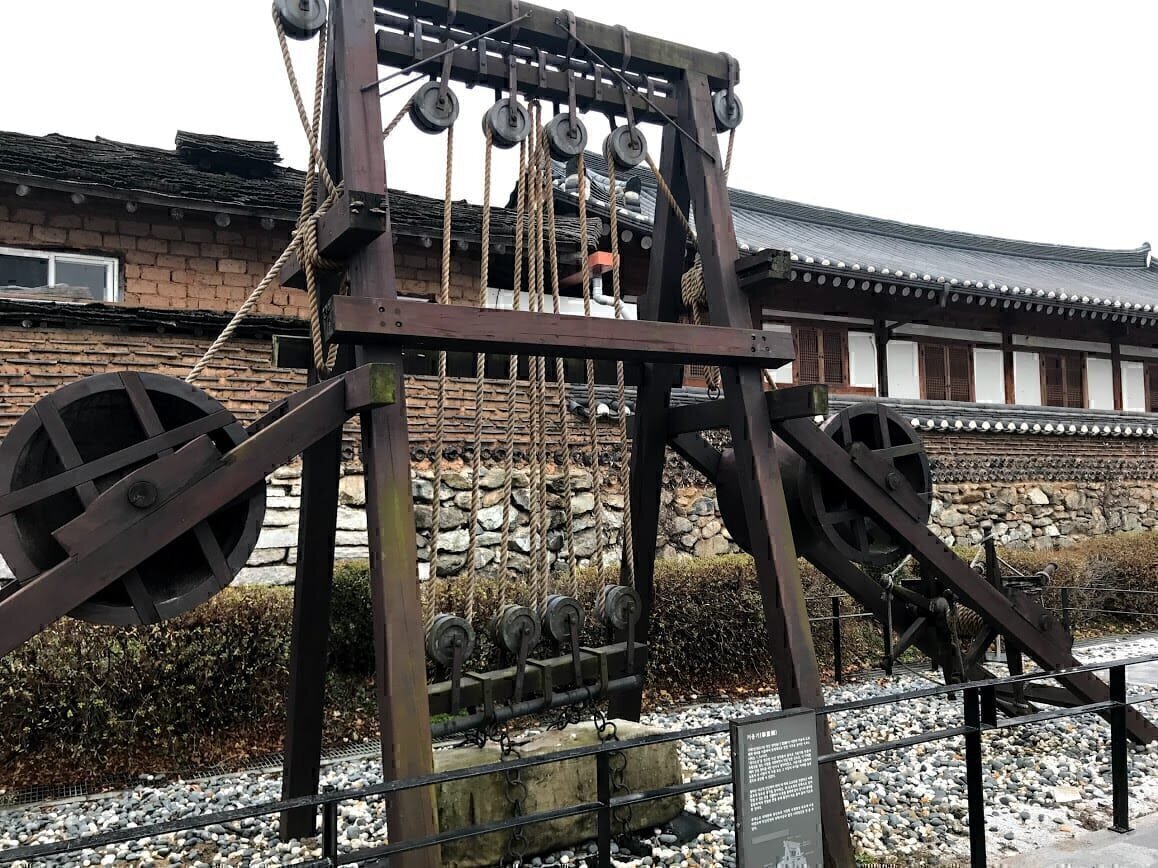
This is the model sculpture of old crane which was invented by Dasan Jeong Yakyong who was a great scholar in Josun Dynasty in Korea. This crane is one of the result of his philosophy 'Sikhak (Practical Study) and it was used for Hwasung Fortress construction work. Visitors can find it nearby Silhak Museum in Gwangju county, Gyeong-gi Province in Korea. 
The inventor Jeong Yakyong / Jung Yak-Yong (5 August 1762 – 7 April 1836), often simply known as ‘Dasan’ (茶山, one of his ‘ho’ / pen-names meaning ‘the mountain of tea’), was born on the 16th day of the 6th lunar month, 1762, in Gwangju county, Gyeonggi province, and died there on the 22nd day of the 2nd lunar month, 1836. 
He was one of the greatest thinkers of the later Joseon period, wrote highly influential books about philosophy, science and theories of government, held significant administrative positions, was a close confident of King Jeongjo (ruled 1776-1800), and was noted as a poet. 

His philosophical position is often identified with the Silhak (practical learning) school, and his concerns are better seen as explorations of Neo-Confucian themes.
Representative image for context; not directly related to the specific event in this article. License: CC BY-SA 4.0. Source: Wikimedia Commons.

The theme centers on art’s ability to spark change in the face of global challenges, highlighting how artistic practice can engage with social, political, technological, and environmental pressures.

As an international showcase, the biennale aims to foster cross-border collaboration and exchange among artists, curators, and institutions, including potential engagement with U.S. museums, galleries, and festivals interested in contemporary and media art.
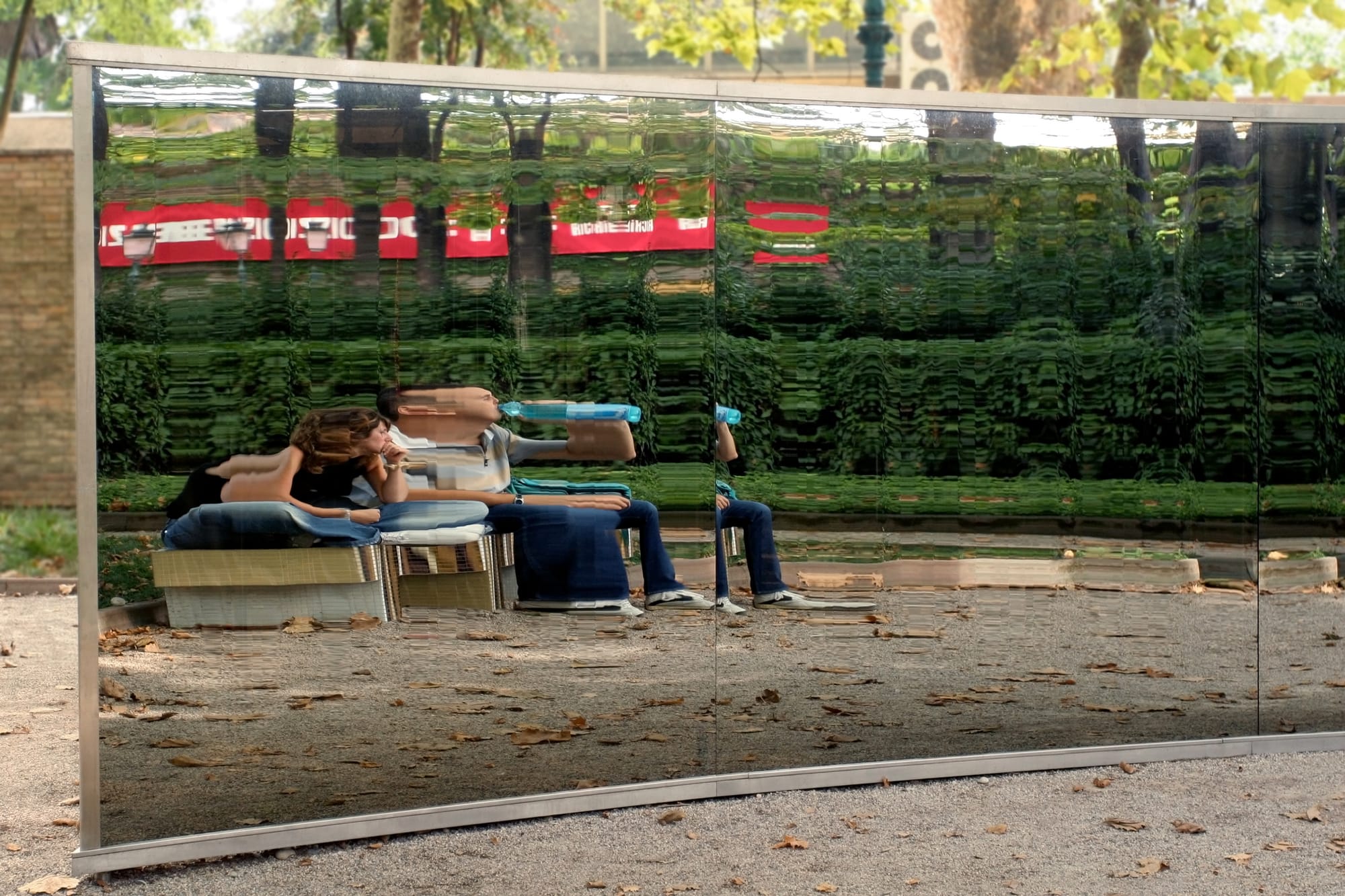
Venedig / L’Esposizione Internazionale d’Arte, la Biennale di Venezia : Spiegelinstallation im Ausstellungspark Giardini di Castello während der 51. Biennale 2005 in Venedig/Italien.
Sie findet seit 1895 alle zwei Jahre statt und ist damit die älteste Kunst-Biennale der Welt.
Representative image for context; not directly related to the specific event in this article. License: CC BY-SA 4.0. Source: Wikimedia Commons.

For U.S. readers, the biennale matters as a barometer of global art trends and a forum for cultural diplomacy and partnerships that intersect with technology, digital culture, and visual storytelling—areas that increasingly link American and Asian art ecosystems.

Gwangju, site of the biennale, is also known for its May 1980 democracy movement, a historical backdrop that underpins the city’s ongoing role as a hub for cultural innovation and political memory within South Korea.

Subscribe to Journal of Korea

Don’t miss out on the latest issues. Sign up now to get access to the library of members-only issues.
jamie@example.com
Subscribe