U.S. airstrikes hit Iran's Kharg Island, a key oil export hub
U.S. forces conducted airstrikes on Kharg Island in the Persian Gulf, Iran’s principal crude-export hub, according to Yonhap News Agency. The action comes as President Donald Trump warned Tehran over its leverage in the Strait of Hormuz, saying the initial strikes targeted military facilities and signaling that energy infrastructure could be attacked if Iran continues to block the strait.
Kharg Island is a small coral atoll about 8 kilometers long and four to five kilometers wide, covering 22 square kilometers. It sits roughly 28 kilometers from Iran’s mainland and about 55 kilometers northwest of the port city of Bushehr. The island’s geography provides deep-water access for very large crude carriers, making it a pivotal point for Iran’s oil shipments to Asia.
The facility handles about 950 million barrels of crude oil annually and has long been described as the backbone of Iran’s oil industry. Its energy infrastructure—storage tanks and pipelines clustered on the southern part of the island—serves as a concentrated node for Iran’s export chain, with much of its crude traditionally flowing to international markets through Kharg.
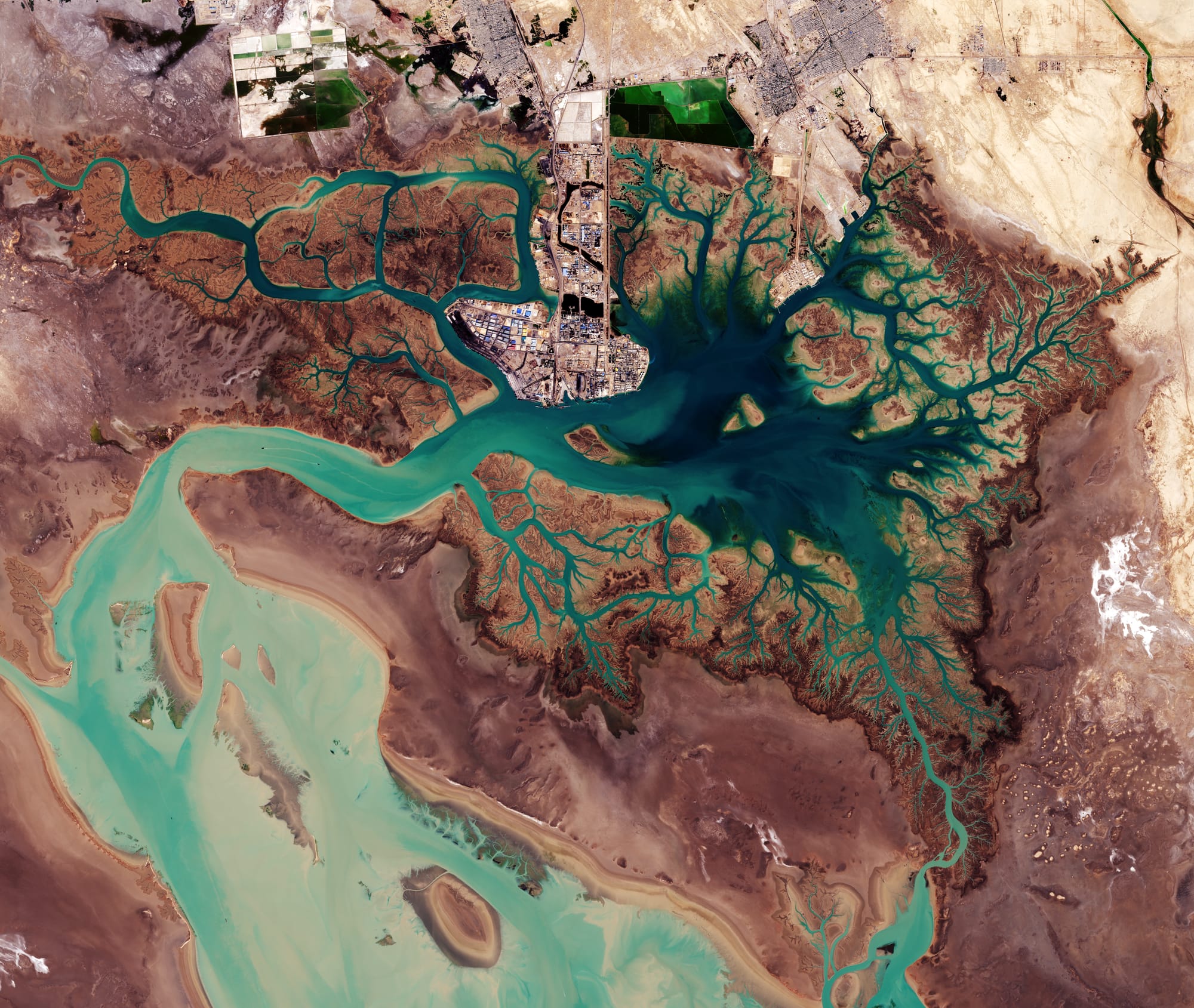
The report notes that roughly 90 percent of Iran’s crude exports pass through Kharg, underscoring why Western policymakers view the island as a decisive leverage point in any confrontation over the Strait of Hormuz.
Market analysts reacted with caution about potential spillovers. JPMorgan Chase researchers warned that disruption of Kharg’s operations could immediately halt about half of Iran’s oil production, threatening the regime’s revenue and its resilience in the near term.
Francis Galgano, a political science professor at Villanova University, suggested that if Washington seeks a rapid victory, occupying or destroying Kharg might be the only viable path, even mentioning the possibility of deploying thousands of ground troops.
The hawkish Washington think tank Foundation for Defense of Democracies described the action as a potential final lever that could determine the survival of Iran’s current government, highlighting the high strategic stakes attached to Kharg’s status.
Beyond the immediate military event, the episode could ripple through global energy markets and supply chains. For the United States and its allies, disruptions around Hormuz influence oil prices, energy security, and policy options in the Middle East, with potential knock-on effects on inflation, gasoline costs, and energy investment decisions.