New York City Proposes $30 Minimum Wage Tied to Firm Size
New York City is moving forward with a plan to raise the city’s minimum wage to $30 per hour, nearly doubling the current rate of $17. The measure was formally introduced by City Council member Sandra Nurs, reported by AP and Fox News on January 12, reflecting the agenda of progressive Mayor Zoran Mamdani.
Under the plan, wage increases would be staged and tied to company size and benefits. Large employers with 500 or more employees would reach $20 per hour by 2027 and $30 per hour by 2030. Small and midsize firms with fewer than 500 workers would have a delayed timeline: $21.50 by 2028, and $30 by 2032. The city’s Department of Consumer and Worker Protection (DCWP) would automatically adjust the minimum wage for inflation each year. Deliverers working for digital platforms such as Uber and DoorDash, and other independent contractors, would fall under the same protections.
Proponents argue the policy is necessary to lift more than one million low-wage workers out of poverty amid the city’s high cost of living. Mamdani and his supporters say wage increases are the only viable way to address income insecurity in New York, where living costs are among the highest in the United States.
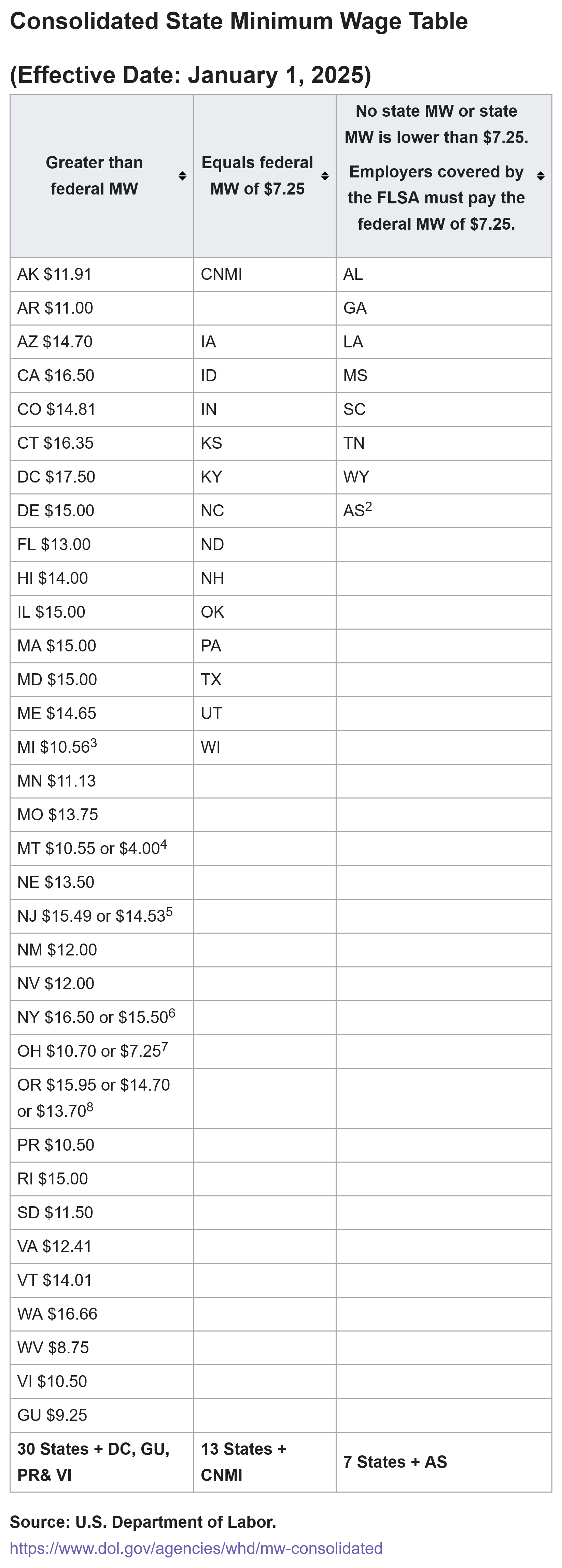
Even with the explicit staged timelines, the plan would still place the city well above the federal minimum wage, which has stood at $7.25 per hour since 2009. New York’s current local minimum wage is cited as $17, and advocates point to local variations in living costs—such as in Seattle or parts of California—to argue the city’s target remains bold.
Opposition from business groups is swift and vocal. New York City is home to about 2.4 million small businesses that together employ a large share of private-sector workers. Critics warn that a near-doubling of wages could favor large franchises and entrenched firms, reduce competition, and lessen consumer choice. Queens Chamber of Commerce President Tom Gretchen characterized the move as unrealistic for small businesses and said it risks “drastic” implications for operations.
Economists aligned with conservative think tanks have warned of negative employment and price effects. The Heritage Foundation contends that a rapid wage hike could push costs onto consumers and cause low-skilled workers to lose jobs, citing examples from Seattle and California where significant wage increases coincided with job losses and higher menu prices.
Legal dynamics add another layer of uncertainty. Industry groups have signaled possible large-scale litigation, arguing that the policy could infringe on business rights and run afoul of procedural or statutory constraints. Even if the measure passes the City Council, courts could pause its effects through injunctions, potentially leaving the policy in limbo until court decisions on the merits are resolved. Some observers worry the dispute could persist through much of Mamdani’s term, delaying any tangible wage increases.
For U.S. readers, the proposal matters beyond New York because it tests a high-stakes urban wage policy with broad implications. If enacted, the plan could influence how other cities approach living costs, wage Floors, and the balance between labor protections and business viability. It also highlights tensions in the gig-economy, inflation-linked policy tools, and the political economy of wage standards in dense, costly urban centers, with potential ripple effects on supply chains, consumer prices, and regional labor markets.