16th Gwangju Biennale Opens With You Must Change Your Life Theme
The 16th Gwangju Biennale opens on September 5 at the Gwangju Biennale Exhibition Hall, presenting the theme You Must Change Your Life, drawn from Rainer Maria Rilke’s poem The Old Apollo’s Torso. The festival’s artistic director is Ho Tzu Nyen, with curators Park Ga-hee, Brian Kuan Wood, and Choi Kyung-hwa, and it runs through November 15, a 72-day span that brings international contemporary art to southwest Korea.
Ho Tzu Nyen said the exhibition prioritizes depth and condensation over sheer scale, signaling a more compact, intensive format than past editions. The main exhibition will feature up to 45 participating artists, while the pavilion projects involve around 30 institutions. The aim is to explore change through a concentrated, interwoven presentation rather than expansive volume.
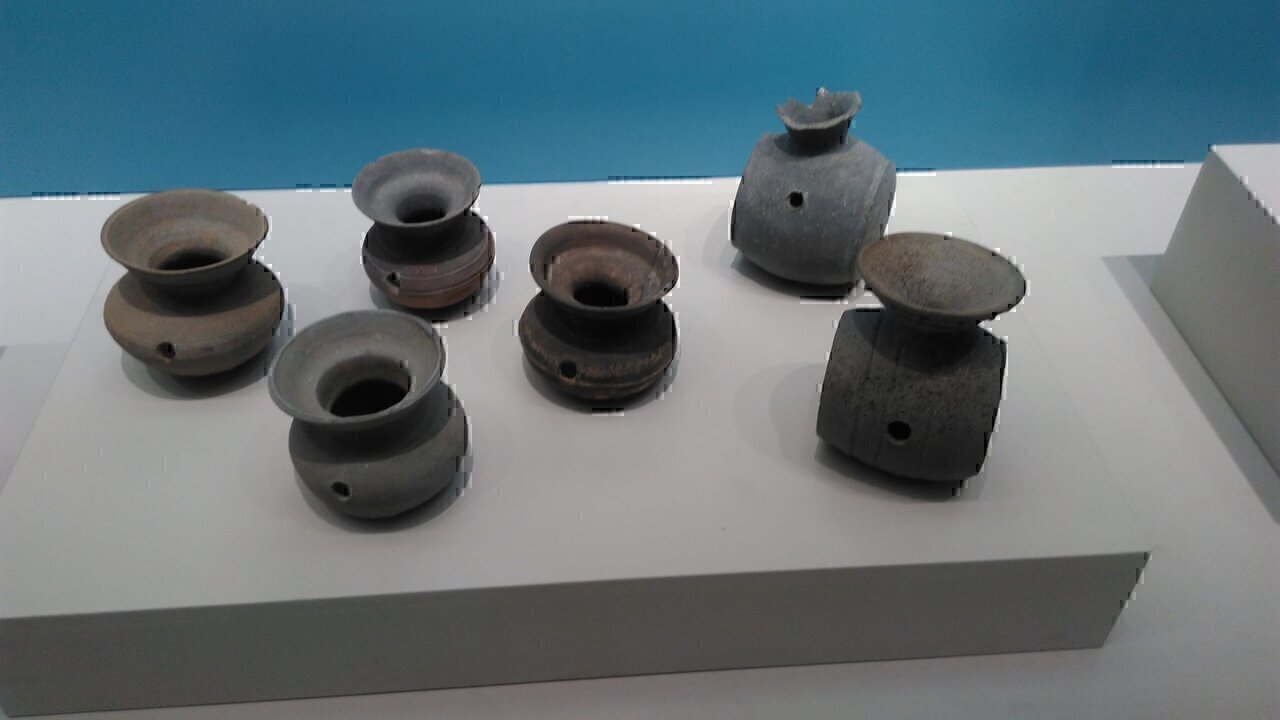
The curatorial concept expands from Rilke’s fragmentary, evocative image of an ancient sculpture to examine change as an artistic method. Artists are invited to explore new life practices, alterations in power structures, and evolving relationships, using diverse media to probe how change might unfold in everyday life as well as in society at large.
The Biennale’s leadership frames this moment as a turning point after three decades, aimed at preparing the next generation of artists. Yoon Beom-mo, the Biennale’s president, emphasizes that the festival seeks to illuminate the meaning of change during a critical historical moment for the city of Gwangju, a site long associated with Korea’s democratic struggles.
Among the featured works are GB Commission pieces, including a sound installation titled Bulrim by Kwon Byung-jun and Park Chan-kyung, created from metal donated by citizens. Jacqueline Kiomi Gook presents an installation pairing air-structures with multi-channel sound, while Nam Hwa-yeon investigates women’s faith and bodily practices during the Joseon era’s encounter with Western learning.
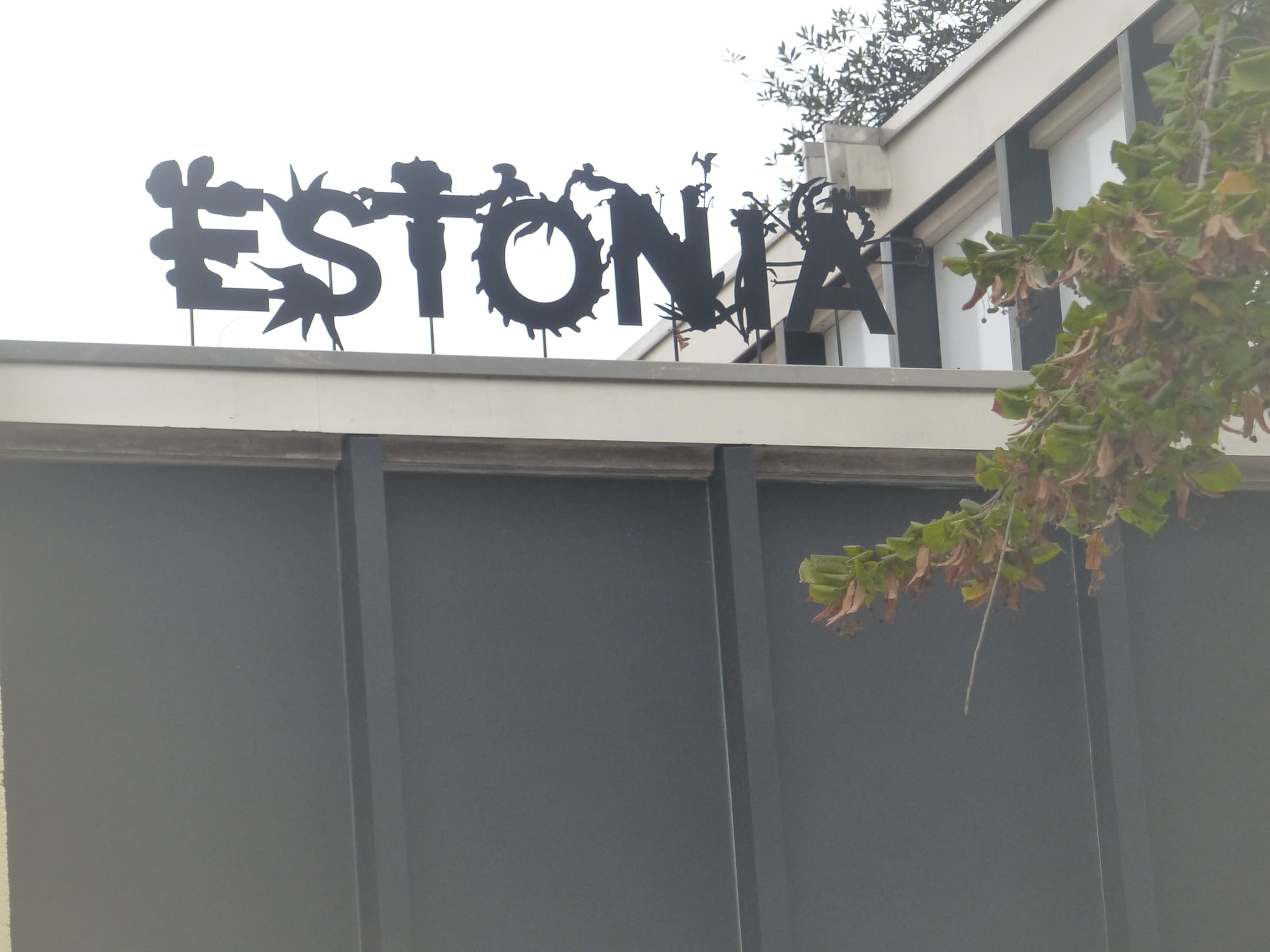
Namely, the Biennale will spotlight how artistic practice—repeated, collaborative, and cumulative—can recalibrate global conversations about culture and society. The event emphasizes community ritual and collective life as vehicles for change, offering a lens into how contemporary art engages with politics, technology, and everyday resilience.
For international audiences, the Gwangju Biennale serves as a major platform for Asian and global artists to engage with pressing ideas about democracy, culture, and innovation. The program’s reach into Korea’s cultural institutions, and its connections with international curators, artists, and buyers, have implications for those tracking global art markets, museum acquisitions, and cross-border collaborations, including opportunities in U.S. museums and galleries seeking diverse voices and new modes of exhibition.