Wave of synagogue attacks across Europe and United States amid Middle East tensions
A wave of alleged anti-Semitic attacks targeting synagogues has struck Europe and North America in recent days, coinciding with heightened tensions in the Middle East involving the United States, Israel and Iran. Dutch police say a fire at a Rotterdam synagogue early on the 13th local time is being treated as arson, with investigators gathering evidence at the scene.
Rotterdam's city government quoted by ANP said the blaze at the synagogue prompted concern in the local Jewish community. The mayor, Carola Schouten, emphasized that anti-Semitism, threats, violence and hostility toward religious communities are not tolerated, underscoring a broader stance of security and unity in the city.

Earlier in the week, in Belgium, a blast occurred in front of a historic synagogue in Liège on the early morning of the 9th, causing damage to the building's windows. Belgian authorities are investigating the incident as part of a broader rise in extremist acts against Jewish sites in Europe.
In the United States, authorities say a synagogue near Detroit was attacked on the 12th when an armed suspect rammed a truck into the building. Security personnel exchanged gunfire with the assailant, who died at the scene. The incident adds to a pattern of synagogues targeted in the United States in recent years and months.
On the other side of Europe, Norway's capital saw an explosion outside the U.S. Embassy in Oslo in the early hours of the 8th, with authorities treating the event as a potential terror attack. Three Iraqi-born brothers in their 20s were arrested three days later to investigate the motive behind the blast.
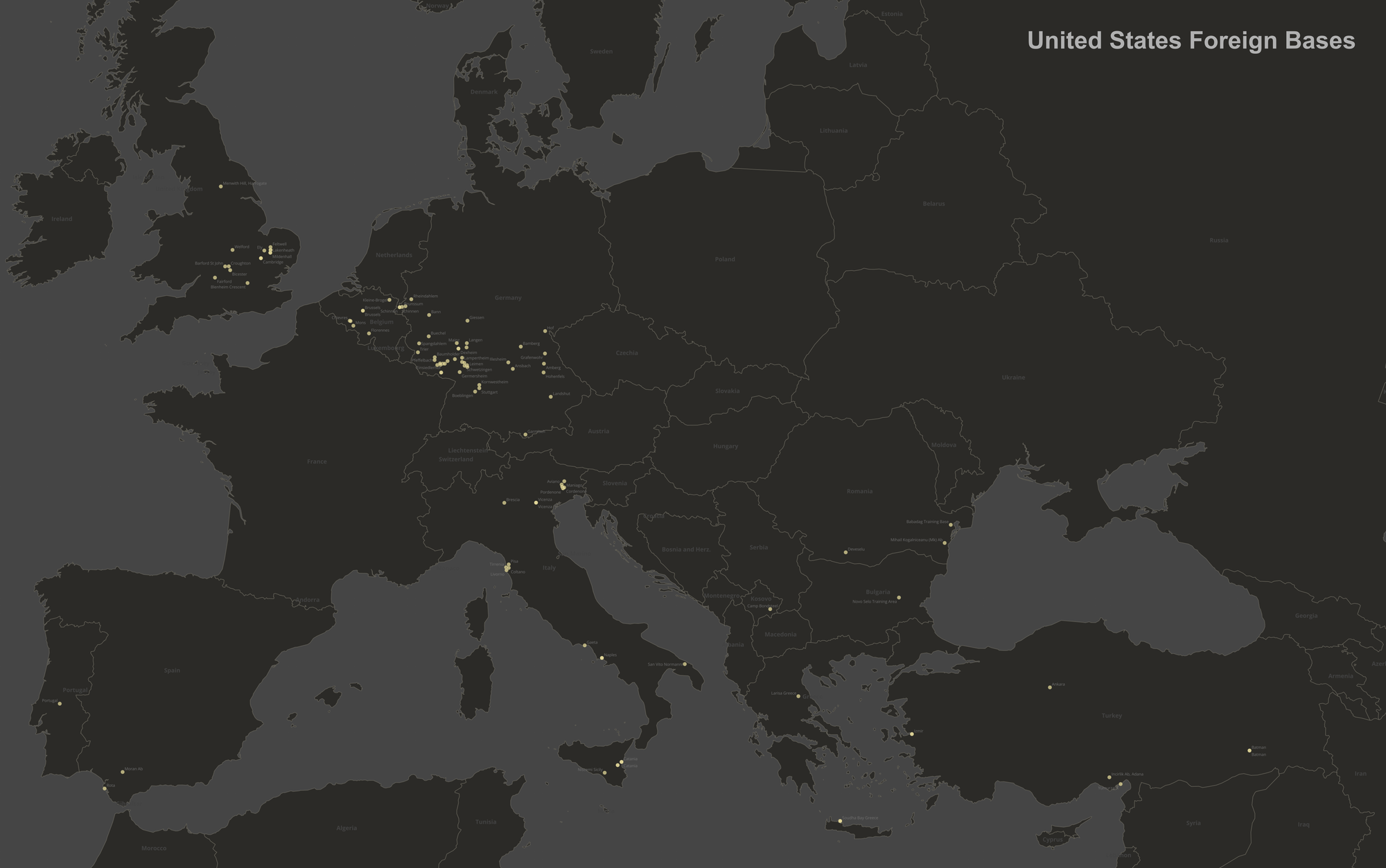
As authorities seek to understand whether these incidents are connected to the broader conflict involving the United States, Israel and Iran, security measures for Jewish communities and diplomatic sites have tightened across several countries. Policy and security officials say the cases highlight vulnerabilities tied to volatile Middle East politics, anti-Semitism and the protection of faith-based institutions in liberal democracies.
For U.S. readers, the pattern carries relevance beyond the immediate events. Transatlantic security cooperation and the protection of American diplomatic interests abroad are affected by how European and other allies respond to anti-Semitic violence. Markets and supply chains can also feel indirect effects through changes in international travel, risk assessments for multinational corporations, and the cost of security at crowded public and religious sites.