Chronic rhinosinusitis linked to higher cancer risk in adults 40+ in Korea and Japan
A team of researchers from the University of South Florida’s Morsani College of Medicine has found that chronic rhinosinusitis, a persistent inflammation of the nasal passages and sinuses, is linked to a higher risk of cancer in adults over 40. The study analyzed large health datasets from Korea and Japan and was presented at the American Academy of Allergy, Asthma & Immunology (AAAAI) 2026 annual meeting.
The Korean portion of the research used data from the National Health Insurance Service, covering about 587,661 adults aged 40 and older. The Japanese portion used records from the Japan Medical Data Center, encompassing about 4,885,282 adults aged 40 and older. In both populations, researchers compared cancer incidence between individuals with a history of chronic rhinosinusitis and those without.

In Korea, the study found that overall cancer risk was 15% higher among those with chronic rhinosinusitis. In Japan, the increase was larger, with cancer risk 63% higher in individuals with CRS. For specific cancer types, hematologic cancers were 2.02 times more likely in Korea and 2.32 times more likely in Japan among CRS patients, while lung cancer risk was 1.32 times higher in Korea and 1.99 times higher in Japan. Results from a more refined statistical analysis showed the overall cancer risk rising to 18% and lung cancer risk to 28%.
Lead author Professor H. Seong Cho noted that the cross-country consistency raises the question of whether the findings apply to Western populations. He said additional studies in predominantly Western cohorts are needed, and that if similar results are confirmed in the United States, people diagnosed with chronic rhinosinusitis after age 40 may require more vigilant cancer surveillance.
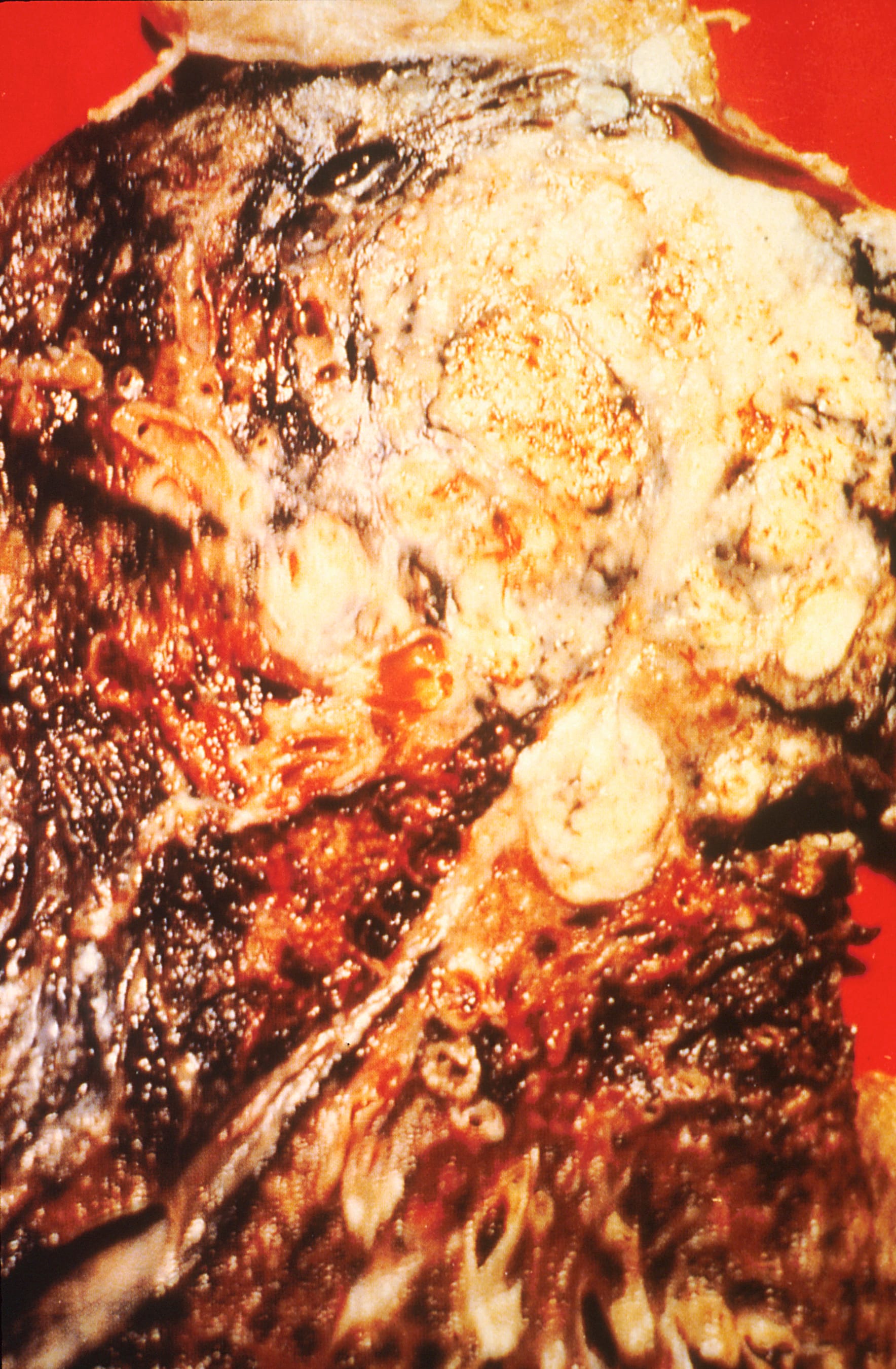
Chronic rhinosinusitis is often discussed alongside sinusitis and encompasses a broader inflammatory disease of the nasal mucosa. The condition can be linked to asthma, structural issues, pathogens, or localized mucosal inflammation. Diagnosis typically relies on patient history, nasal endoscopy or rhinoscopy, and may be supported by simple X-ray or sinus CT imaging. When allergies are involved, testing to identify triggering substances can be helpful. Treatment, especially if the disease becomes chronic, may include medications, nasal saline irrigation, and, in some cases, sinus endoscopic surgery.
For U.S. readers, the study underscores potential links between chronic inflammatory diseases and cancer risk, a topic of growing interest in health policy and research. If the association proves to hold in American populations, it could influence screening guidelines, patient counseling, and the demand for anti-inflammatory therapies, with implications for healthcare costs, insurers, and care pathways in the United States.