US Moves Amphibious Assault Ship USS Tripoli Toward Middle East Amid Iran Tensions
The Wall Street Journal and Axios reported on Sunday that the United States is moving an amphibious assault ship, USS Tripoli, and its embarked Marine Expeditionary Unit from Japan to the Middle East, signaling a stepped-up U.S. military posture amid tensions with Iran.
The reports cited multiple U.S. officials describing the departure of the Tripoli and its Marine unit toward the region. They said the Marine Expeditionary Unit usually comprises several ships and about 5,000 Marines and sailors.
U.S. Central Command, which oversees operations in the Middle East, was said to have requested the reinforcement to broaden its options for potential operations against Iran.
Axios noted that the Marine Expeditionary Unit could conduct ground operations if ordered, though officials did not discuss any specific missions or plans.
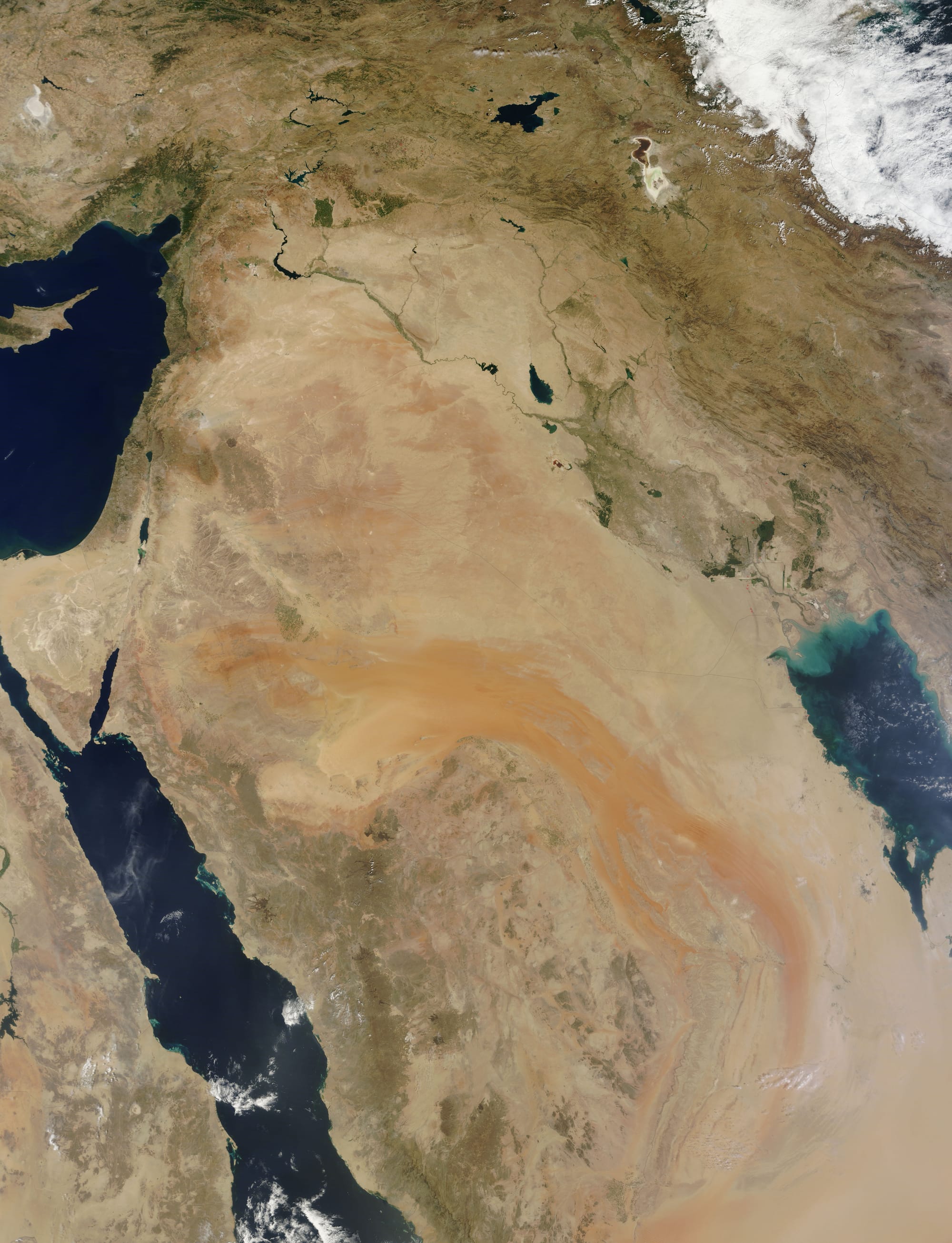
The move comes in the context of the Hormuz Strait, a chokepoint whose disruption can threaten global oil shipments. Officials described the strait as effectively blocked at times, contributing to higher crude prices and adding pressure on U.S. policy toward Iran. President Trump has indicated a willingness to escort vessels through Hormuz if needed, and Treasury Secretary Steven Mnuchin told Sky News that the US could begin escort operations soon, arguing that disruptions have already cost about $11 billion in losses.
Axios reported that, before any escort mission begins, the military is weighing a preliminary plan to neutralize Iranian ground-based anti-ship missiles around the Hormuz area.
For U.S. readers, the developments matter beyond Korea because they illustrate how U.S. security commitments, force posture in the Asia-Pacific, and operations in the Middle East intersect with global energy markets, supply chains, and defense planning. The episode underscores how instability in a key Gulf corridor can ripple through American energy costs, investment decisions, and geopolitical calculations in Washington and among global allies.