U.S. Rewards Up to $10 Million for IRGC Leaders, Relocation Aid Included
The U.S. State Department announced on the Rewards for Justice program that information leading to the identification or location of leaders of Iran’s Islamic Revolutionary Guard Corps (IRGC) and its affiliates could earn informants up to $10 million, with relocation assistance provided as part of the package. The post singled out the IRGC’s top leadership, including the Supreme Leader.
Among those named in the posting are Ayatollah Ali Khamenei, the Supreme Leader of Iran; Asghar Hejazi, chief of staff in the Supreme Leader’s office; Yahya Rahim Safavi, a longtime military adviser to the Supreme Leader; Ali Larijani, a senior adviser to the Supreme Leader and former speaker of Iran’s parliament; Esfandiar Rahim Momeni, the interior minister; and Esma’il Katib, named as the Information Security Minister in the listing.
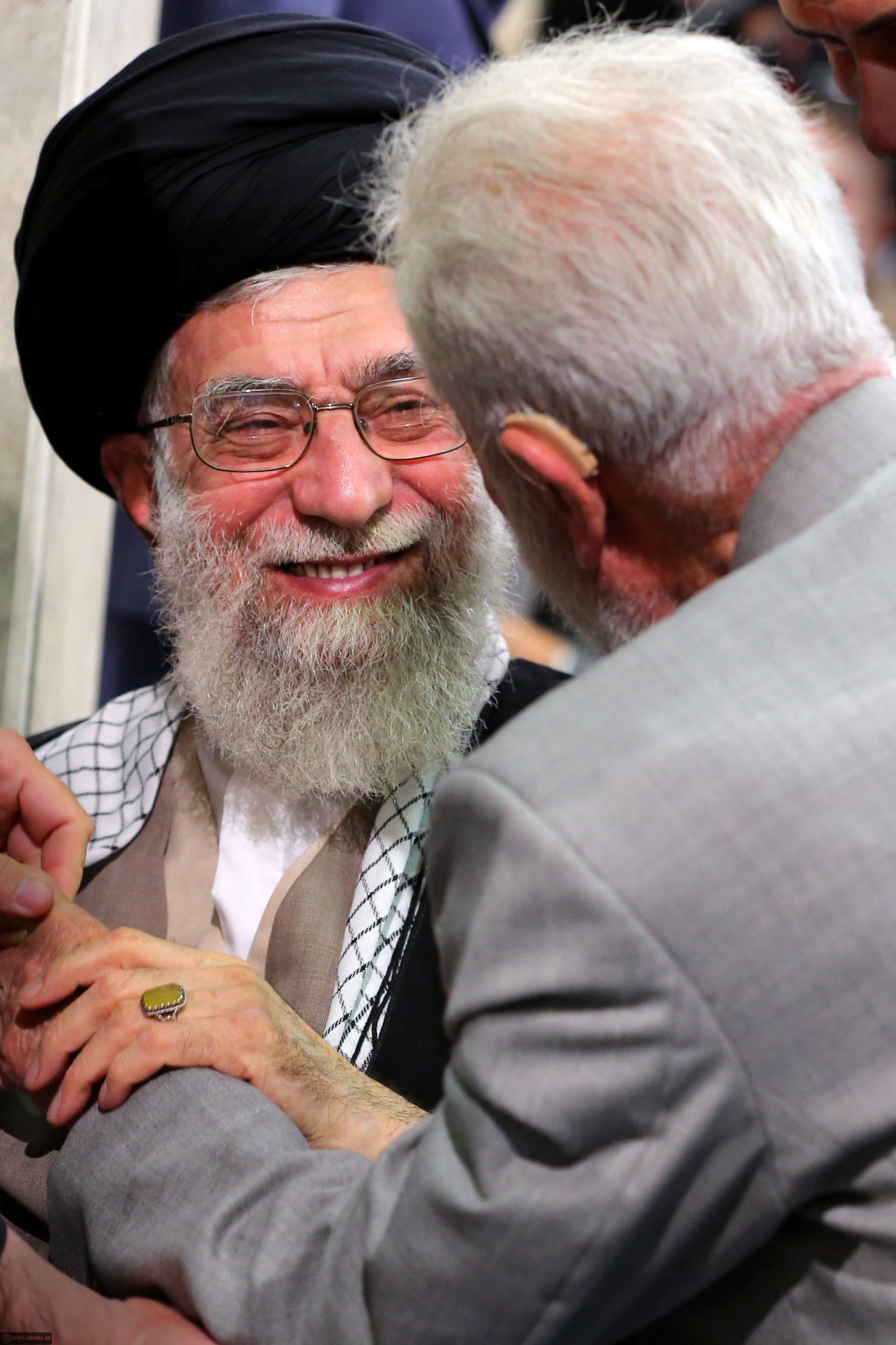
The United States has long designated the IRGC as a terrorist organization, a designation the State Department first issued in 2019. The Treasury Department has also listed the IRGC as a designated global terrorist organization, underscoring the U.S. view of the group as a core instrument of Iran’s state security and foreign policy operations.
The Rewards for Justice program operates as a key U.S. tool for gathering information on terrorist networks and their leaders. By offering substantial rewards and relocation support, Washington aims to disrupt IRGC activities, deter potential collaboration with Iranian hardliners, and deter support networks that extend beyond Iran’s borders.
For U.S. readers, this matters because the IRGC has wide influence across Iran’s security apparatus and proxies abroad, affecting regional stability in the Persian Gulf, Iraq, Syria, and beyond. The leadership named in the program signals continued U.S. concern with Iran’s core power centers, which intersect with sanctions policy, Middle East diplomacy, and global supply chains tied to Iran-related risk.
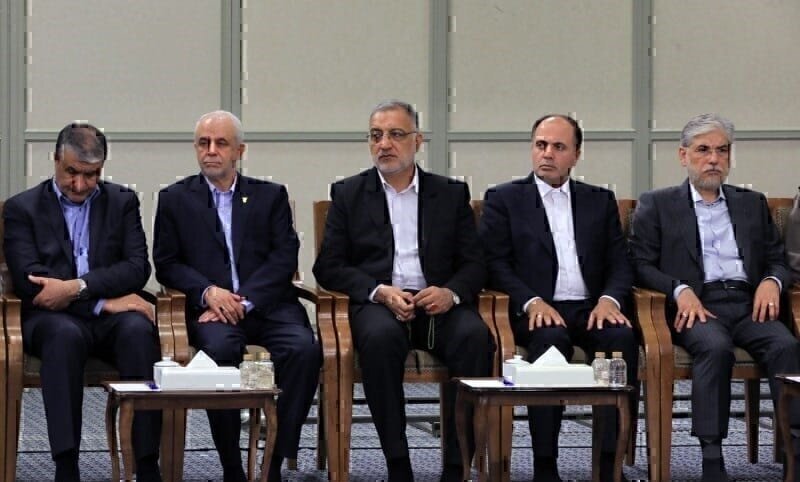
The relocation aspect of the offer highlights a broader U.S. approach: protecting informants and maintaining the integrity of intelligence operations targeting high-profile actors. While the program targets Iranian officials, it also serves as a reminder of how U.S. policy tools—sanctions, incentives, and intelligence work—are used collectively to pressure Iran’s leadership.
Overall, the announcement underscores the ongoing U.S. emphasis on addressing the IRGC’s reach and influence. For markets and policymakers, it signals that Iran remains a focal point of U.S. national security attention, with implications for sanctions enforcement, regional security architecture, and global risk assessment related to Iran-linked actors.