Korean man with ankle monitor arrested after Namyangju stabbing
A man in his 40s stabbed a woman in her 20s on a street in Namyangju, a city in Gyeonggi Province near Seoul, before fleeing the scene. He was arrested about an hour later in a rural area of Yangpyeong County, in a separate part of the province. Police say the suspect was wearing an electronic ankle monitor at the time of the offense.
The attack occurred around 9:00 a.m. local time on a roadside in Onam-eup, Namyangju. The assailant approached the victim using a vehicle, then stabbed her with a knife and drove away.

Emergency responders found the woman in cardiac arrest at the scene and she was transported to a hospital, where she later died. The incident prompted a rapid police response and an urgent investigation into the circumstances.
Around 10:10 a.m., about an hour after the stabbing, authorities captured the suspect in Bokpo-ri, Yangseo-myeon, Yangpyeong-gun. He is in his 40s. The police have confirmed he was wearing an electronic ankle monitor at the time of the offense. Investigators said they are examining the exact sequence of events and motive.
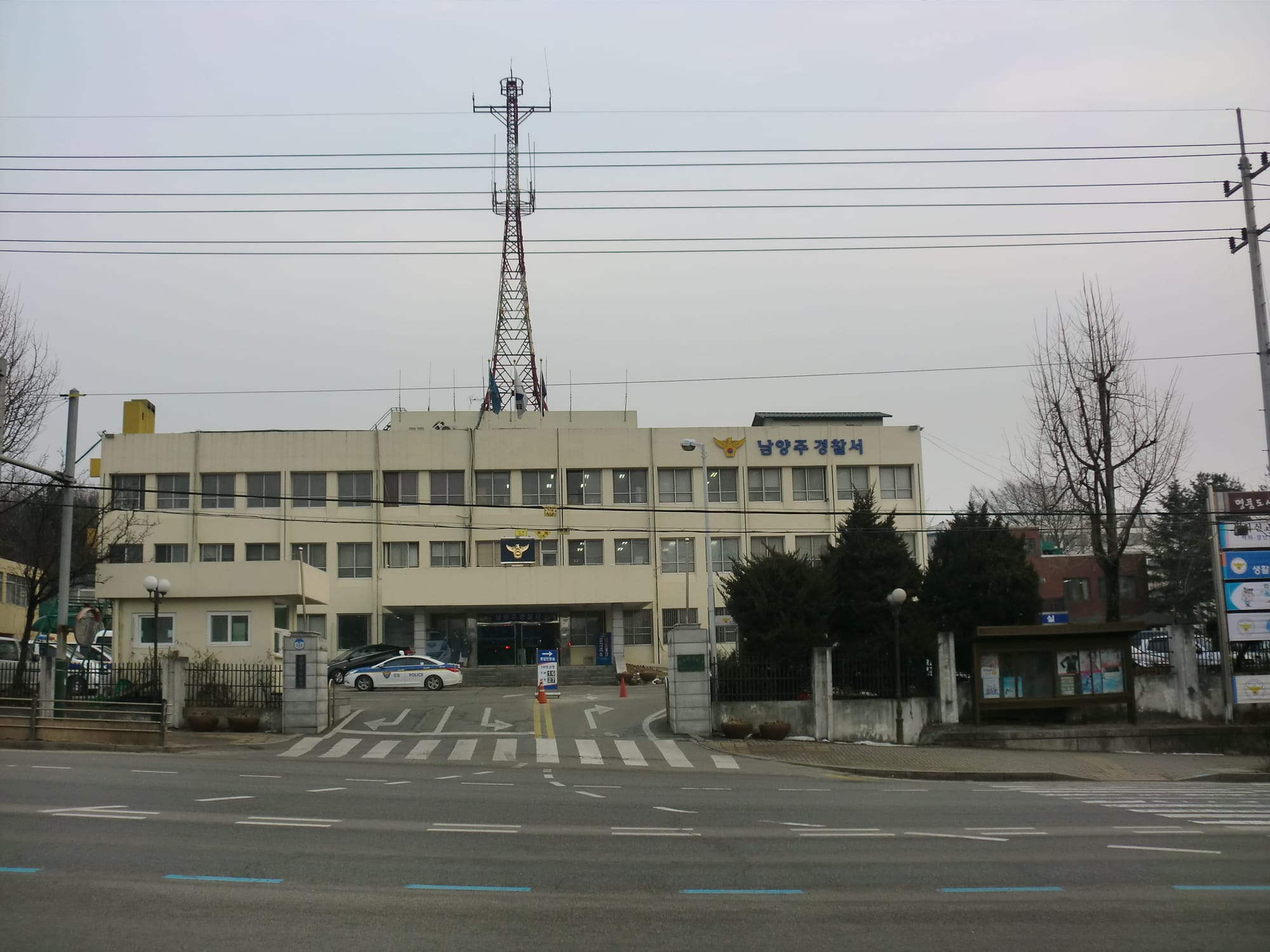
The case is being handled by Namyangju North Police Station, the local police authority for the area. Police did not release the victim’s identity.
Why this matters beyond Korea: The incident touches on issues of public safety in metropolitan fringe areas, including street violence in rapidly expanding suburbs that also house major supply chains and business districts. The use of electronic ankle monitors in Korea, as noted in this case, raises questions about offender supervision, risk assessment, and potential parallels with how similar monitoring programs operate in the United States. The swift arrest within about an hour also highlights cross-jurisdiction coordination and the importance of rapid police response in reducing further risk to the public. For U.S. readers, the case underscores ongoing debates about crime prevention, offender supervision technologies, and the balance between community safety and civil liberties.