South Korea PM Kim Min-seok Sees Trump Open to North Korea Summit
South Korea’s Prime Minister Kim Min-seok met with U.S. President Donald Trump at the White House in what was described as a surprise encounter, lasting about 20 minutes and centered on North Korea.
Kim said he had first met with a pastor from the White House faith-based initiatives office before joining Trump in the Oval Office for the discussion.
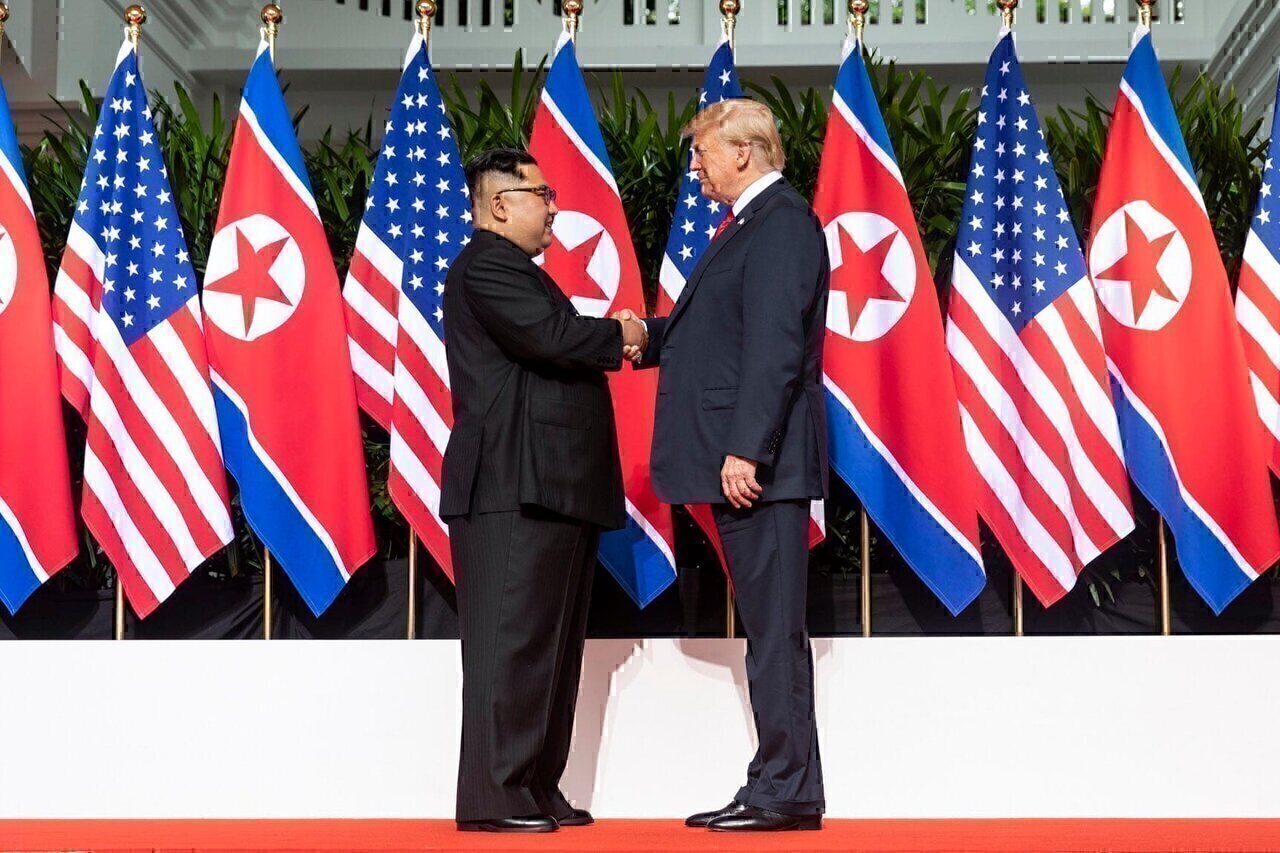
During the talks, Kim reportedly referenced a remark by President Lee Jae-myung that Trump is the only leader capable of resolving the Korean Peninsula issue, and he showed Trump a 2019 Panmunjom photo with Kim Jong Un to ask about the North Korean leader’s willingness to engage in talks.
Kim said Trump expressed strong interest in serving as a peacemaker and that he had also proposed a North Korea dialogue plan, though he did not disclose its specifics and Trump appeared highly intrigued.
The prime minister added that Trump left open the possibility of a future North Korea–U.S. summit, signaling flexibility on timing rather than ruling it out.
On trade policy, Kim relayed that the U.S. Trade Representative’s office indicated Korea is not being singled out in the Section 301 investigations affecting 16 countries, a point meant to reassure Seoul amid tensions over U.S. trade actions.
The White House meeting follows broader shifts in U.S.-Korea diplomacy, with Washington balancing security concerns on the peninsula and economic ties, including technology and manufacturing links with Korea. For U.S. readers, the outcome could influence North Korea policy, regional stability, and supply chains tied to Korea’s tech-heavy economy. The report was produced by YTNJ’s Cho Ah-Young.