Ghana eyes Korean AI-powered mineral mapping to boost domestic processing
Ghana’s President John Dramani Mahama is in Seoul for talks that included an exclusive interview with Yonhap News Agency at the Seoul Shilla Hotel on March 13. He told Yonhap he wants to use Korean artificial intelligence tools to survey Ghana’s key mineral deposits, saying the idea arose during a summit with President Lee Jae-myung.
Mahama stressed that Korea has the technology and AI capabilities needed for exploration, and that Ghana aims to compile a nationwide geologic map to identify which minerals could be developed. The interview highlighted a practical push to map and assess mineral resources with advanced analytics.
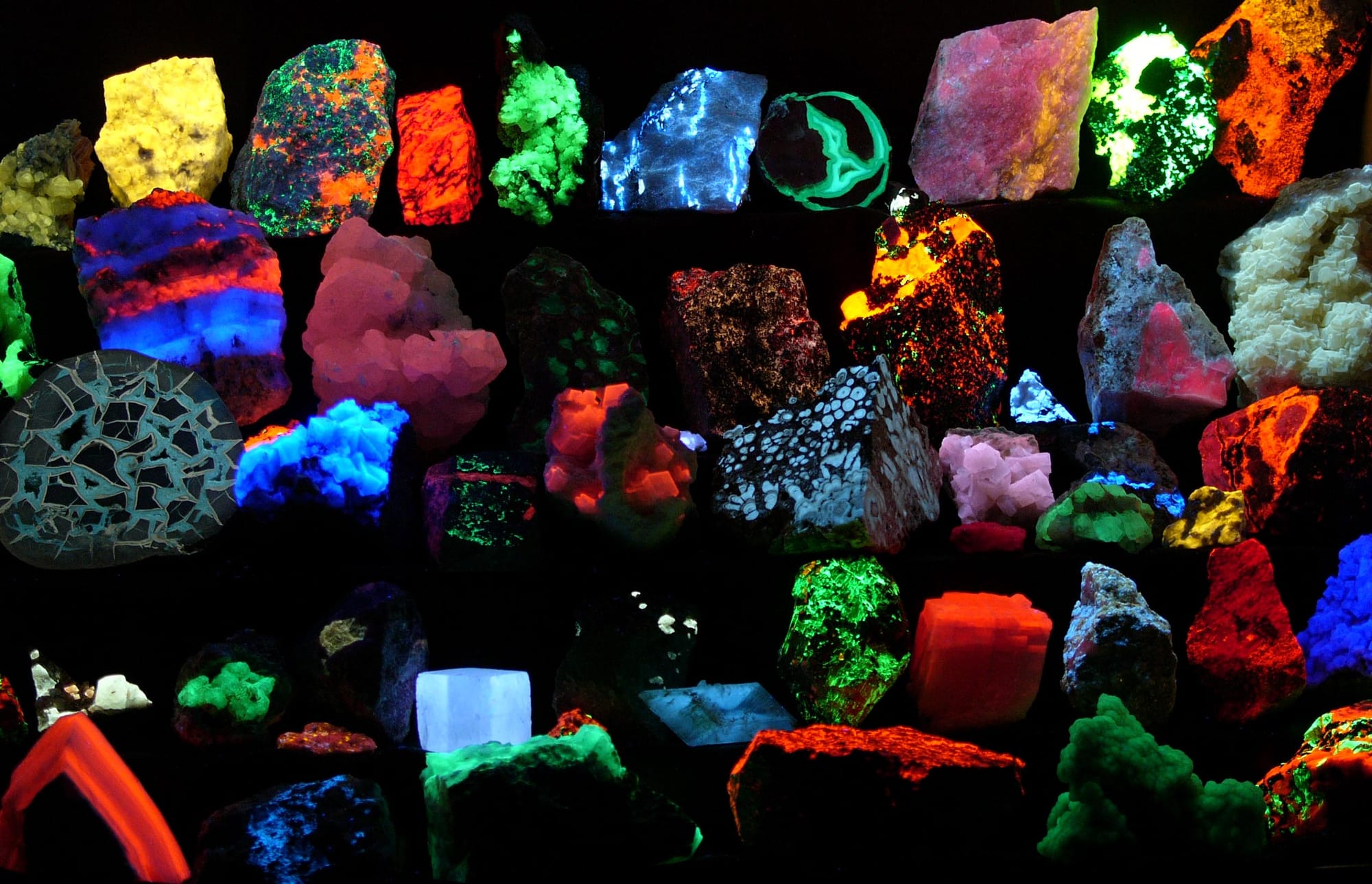
Ghana sits on minerals that are central to the so-called future industries, including nickel, lithium and bauxite. The country is also widely known as Africa’s largest producer of gold and is an oil-producing nation, factors that underpin its appeal as a potential hub for mining and related processing.
The Ghanaian president said he would prefer to process resources domestically through factories in Ghana and export refined products rather than exporting ore in raw form. The approach would emphasize value addition within the country, a shift from exporting unprocessed minerals.
For U.S. readers, the discussion matters because it touches on global supply-chain resilience for key minerals used in electronics, batteries and other high-tech applications. Greater diversification of supply sources and investments in processing capacity could influence markets and pricing for minerals that are increasingly strategic in energy and technology sectors.
The interview context also reflects broader trends in technology-enabled mineral exploration and international partnerships. Seoul’s Shilla Hotel has hosted multiple high-level talks on cooperation, and Yonhap’s exclusive coverage signals continued interest in deepening Korea–Ghana collaboration on mining, processing and value-chain development.
As no formal agreement was announced in the interview, the remarks illustrate a pathway rather than a completed deal. If pursued, such cooperation would add to ongoing global efforts to diversify sources of critical minerals and to expand regional processing capacity, with potential implications for supply chains, investment, and policy considerations in both Africa and the United States.