Iran Allows Indian LPG Carriers Through Hormuz Strait, Potentially Shaping U.S. Energy Markets
Iran has, after effectively blockading the Hormuz Strait, unusually allowed two Indian liquefied petroleum gas (LPG) carriers to pass through the waterway. Tehran’s actions come amid broader restrictions on traffic through the strait, a key global energy route.
Reuters cited the transit of one Indian LPG carrier recently, which proceeded through the strait under naval escort. A second Indian LPG vessel is expected to pass through the strait in the near future.

The passage was reportedly requested by India, and Prime Minister Narendra Modi held an urgent meeting on energy transport with Iran’s president on the 12th, discussing how to move energy shipments more reliably.
The Strait of Hormuz is a critical chokepoint for global energy, linking Persian Gulf supplies to Asian and other markets. Disruptions there can affect oil and LPG prices and the reliability of supply chains.
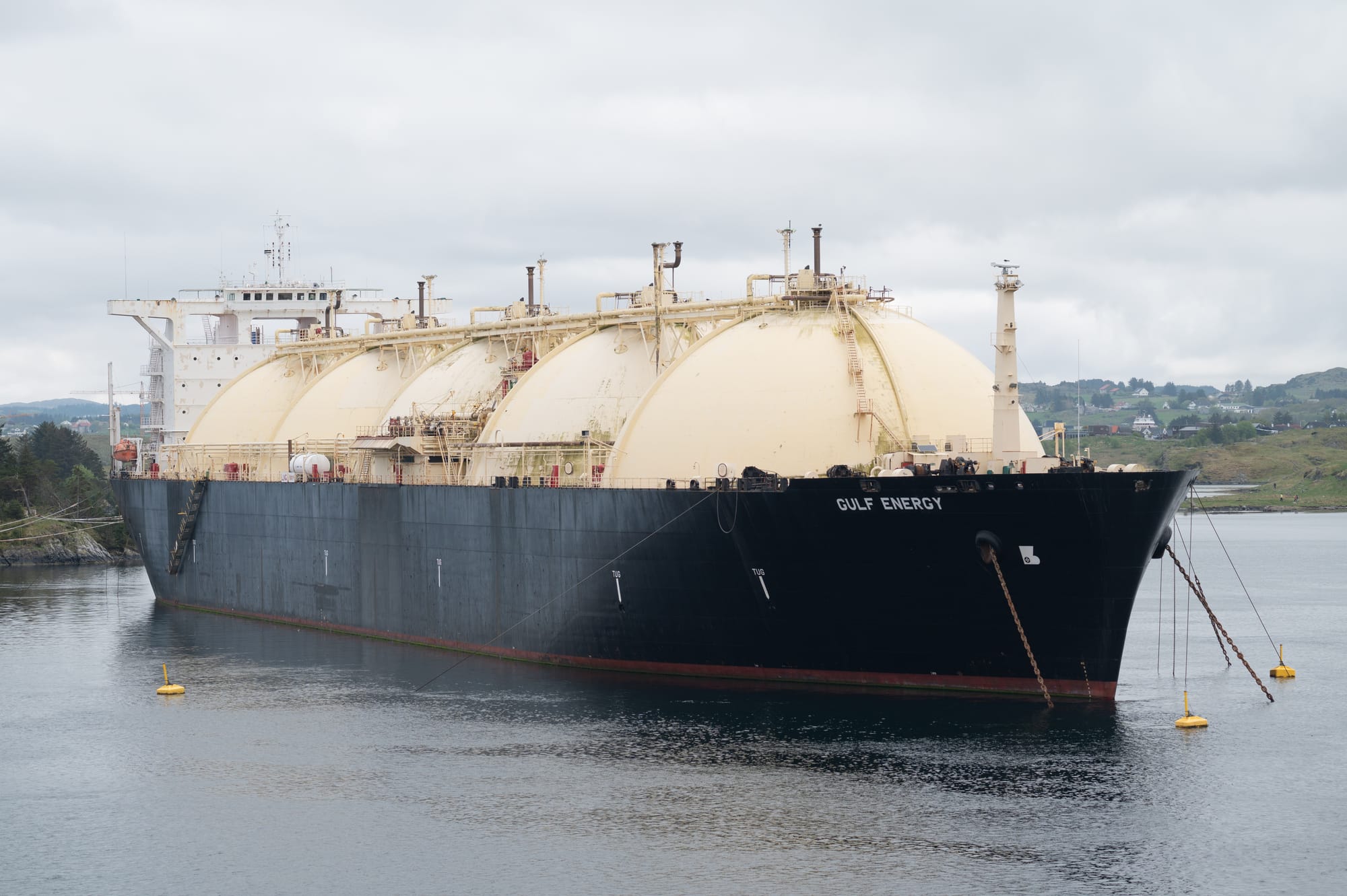
For U.S. readers, the development highlights how tensions and diplomacy in the Gulf region can influence energy security and markets. Even limited openings for traffic can ripple through global fuel prices and shipping costs.
The episode illustrates how energy diplomacy and geopolitical considerations shape access to Gulf routes, with potential implications for energy-importing economies and their allies, including the United States.