Gwangju Biennale Opens Sept 5 With You Must Change Your Life Theme
The 16th Gwangju Biennale in South Korea will open on September 5 and run through November 15, staged at the Gwangju Biennale Exhibition Hall in the southwestern city of Gwangju. The title, You Must Change Your Life, was announced by the Biennale Foundation for this edition. Singapore-born artistic director Ho Chunien chairs the program, with Park Ga-hee, Bryan Kuan Wood, and Choi Kyung-hwa serving as curators.
The theme centers on change and action, with a focus on art’s power to respond to global crises. The lineup will feature works by a range of artists including Park Chan-kyung and Kwon Byung-jun, who are set to contribute new pieces to the biennale’s program.
The exhibition lasts 72 days, emphasizing a concise, densely packed format. The program draws inspiration from the final line of Rainer Maria Rilke’s poem Torso of Apollo, signaling a commitment to art as a transformative force in society rather than a mere aesthetic experience.
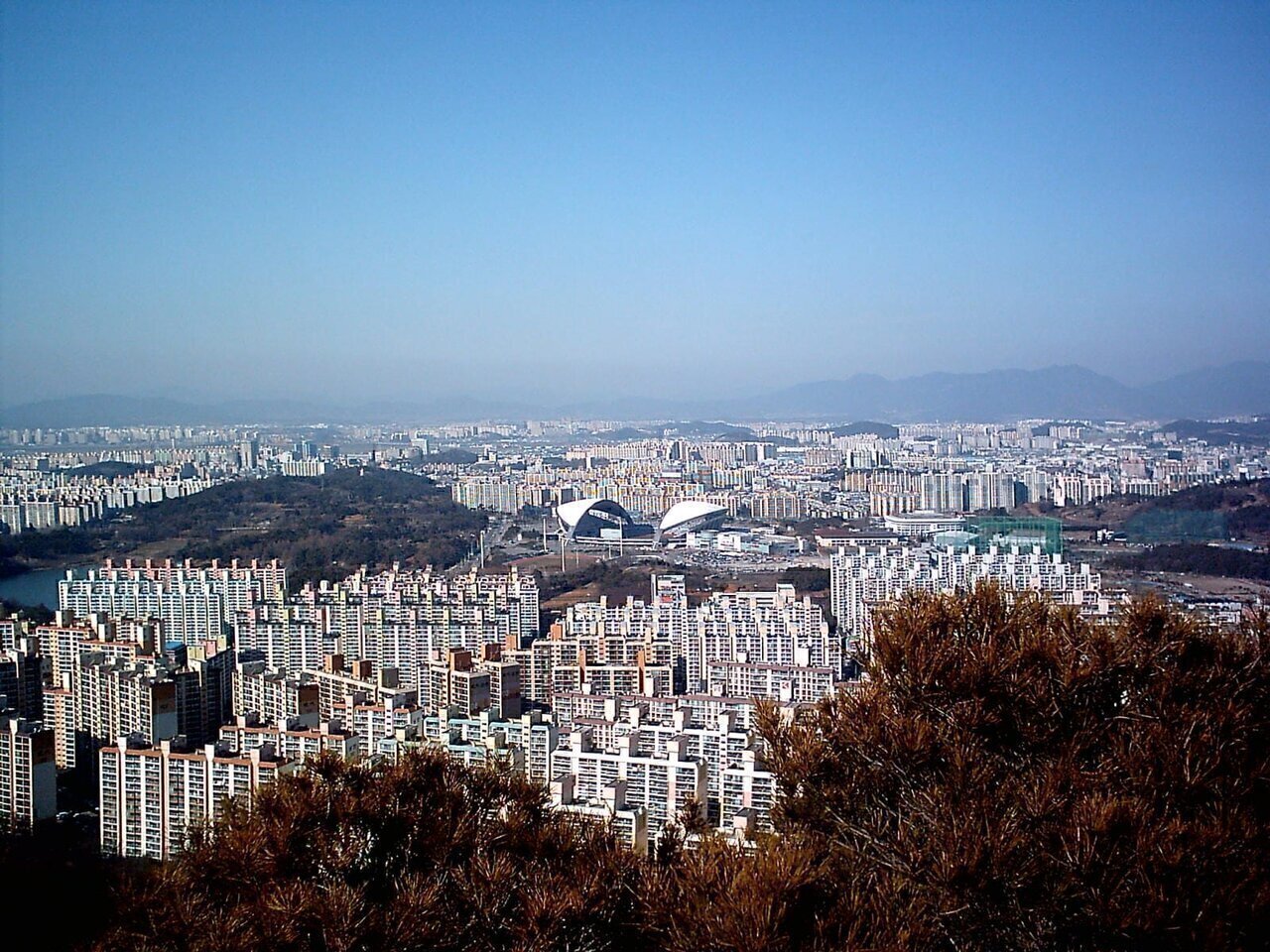
Artist statements from the director describe the show as a journey through works that vary in scale and tempo, aiming to deliver a vivid sense of change as a living, historical process. The city of Gwangju is also highlighted for its enduring association with civic struggle and democratic ideals, framing the exhibition as a global signal of how history informs present-day culture.
One commissioned work, Bulrim, by Kwon Byung-jun and Park Chan-kyung, mobilizes metal donated by residents of Gwangju and Jeollanam-do. The metal is melted down to craft ritual objects for communal use, and the resulting material feeds a sound installation that returns to the community as shared sound and memory.
Another feature is an installation by Jacqueline Kiomi Gook that uses air pressure, feedback systems, and mechanical devices to create a labyrinth-like air structure with multi-channel techno sound. The piece is designed to unfold like an emotional architecture, opening gradually as if the space itself is breathing.
Nam Hwa-yeon contributes a work that revisits late 18th-century Joseon Korea, examining the period when Catholic ideas entered and faced persecution, to reflect on how faith frameworks influenced women’s agency and subjectivity.
The biennale has adopted its most condensed artist roster in memory, focusing on the density of works and cross-cutting narratives across creators. The director says this approach aims for deeper engagement by foregrounding the interwoven lives and practices of the participating artists.
For U.S. readers, the Gwangju Biennale matters as a window into Korea’s fast-developing contemporary art ecosystem, which increasingly informs global trends in galleries, museums, and cultural diplomacy. The event highlights how Korean artists engage with technology, community participation, and historic memory—areas of growing interest to American institutions, collectors, and policymakers seeking international collaboration, innovative curatorial practice, and diversified supply chains in the arts. It also underscores Korea’s role in soft power and cultural exchange that can influence trans-Pacific cultural and economic relationships.