U.S. renews licenses to buy Venezuelan oil and petrochemicals, including fertilizer
The U.S. Treasury renewed three general licenses related to Venezuela’s energy sector and petrochemical items, allowing American companies to purchase Venezuelan oil and petrochemical products, including fertilizer, and to provide certain goods, services, and technology to support Venezuela’s electricity and petrochemical industries. Final contracts still require separate authorization from the Office of Foreign Assets Control (OFAC).
The Treasury said the license renewals are intended to support activity in Venezuela’s energy sector and to help keep global commodity markets well supplied, reflecting concern over how sanctions and supply constraints could ripple through the world economy.
The policy comes as the United States has sought to improve relations with Venezuela’s interim government after the arrest of former president Nicolás Maduro in January, resuming diplomatic ties and easing a sequence of sanctions measures.
![A plot of the reported proven oil reserves for Venezuela and Saudi Arabia. In January 2011, Venezuela claimed to surpass Saudi Arabia as the controller of the world's largest proven reserves.
Data for 1980 to 2008 is based on the 2010 world oil report by BP at [1]. Data for 2009 is from OPEC at [2]. The 2011 data point for Venezuela is based on the January 2011 announcement by Hugo Chavez [3]](https://journalkor.site/content/images/2026/03/01_Venezuela_Oil_Reserves.png)
Officials indicated the broader aim is to reduce inflationary pressure on American farmers by enabling direct fertilizer imports from Venezuela, addressing spikes in fertilizer costs that followed the war involving Iran.
Fertilizer shortages and rising prices have been tied, in part, to disruptions in the Middle East after Iran’s conflict and the near-blockade of shipping through the Strait of Hormuz, contributing to tighter global supply chains for agricultural inputs.
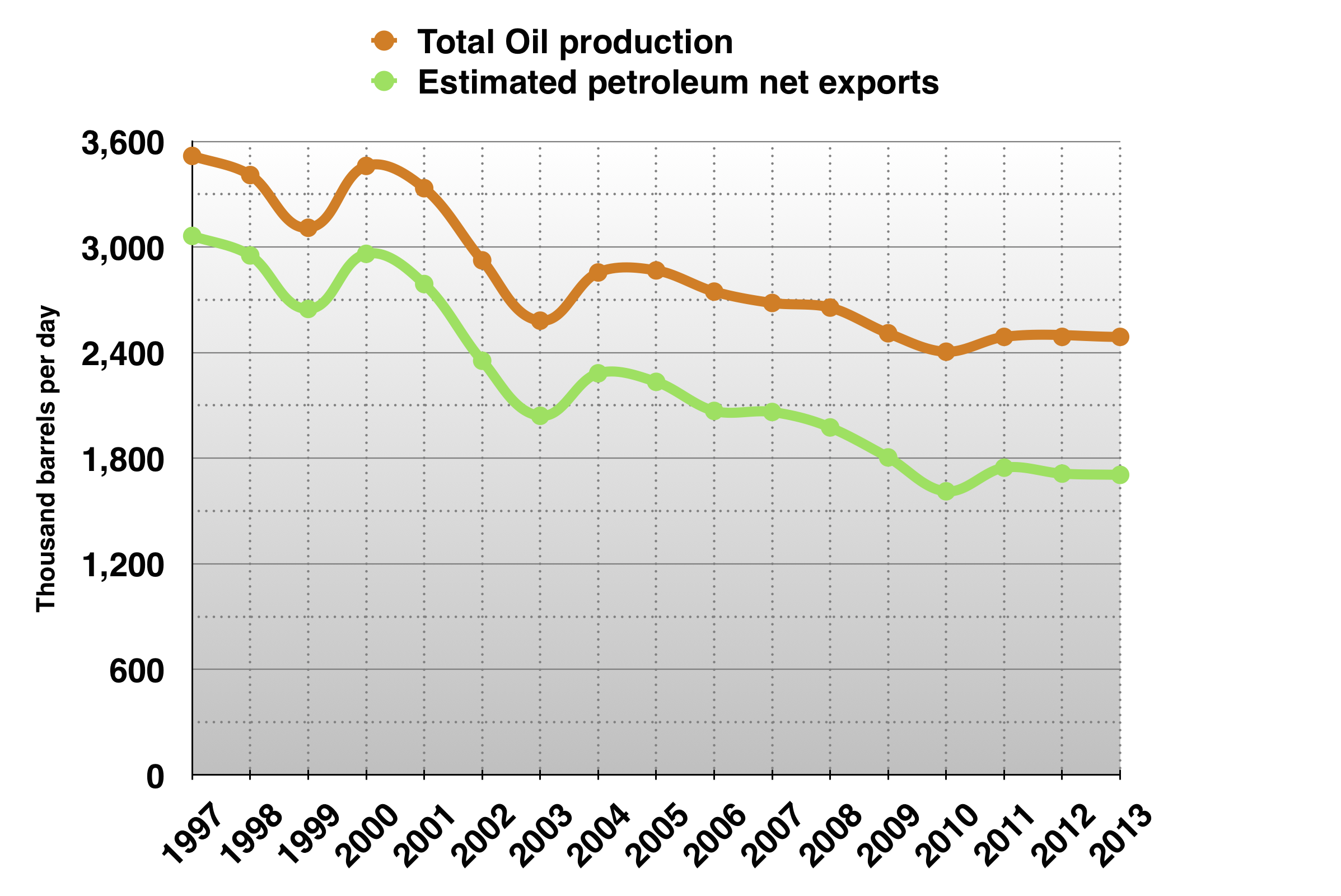
The Treasury also noted that the expanded license relief would allow U.S. farmers to import fertilizer directly from Venezuela, a change intended to ease agricultural input costs.
The day before, Washington had temporarily eased some Russia-related sanctions to curb oil price surges, allowing only already shipped oil products to be sold for one month, a separate move tied to stabilizing energy markets amid broader sanctions policy.
For U.S. readers, the move matters because it intersects energy security, fertilizer supply for American agriculture, and the policy tools Washington uses to influence global commodity markets. It underscores how sanctions decisions can affect inflation, agricultural costs, and supply chains, even as the U.S. seeks strategic leverage in its relations with Venezuela, Iran, and other major energy and fertilizer producers.