Seoul to display 1791 Woljoongdo on Danjong’s exile at Jangseogak
The royal archive Jangseogak in Seoul will mount a special public display of Woljoongdo, a late-18th-century record of Danjong’s exile, from the 16th of the month through the end of June. The eight-panel album, created around 1791, maps the places associated with the young king’s confinement and the loyalty of his ministers.
Woljoongdo includes Danjong’s tomb at Jangneung, as well as his exile sites Cheongnyeongpo, Gwanpungheon and Jakyuru. It also shows the Changjeolsa shrine, which houses the portraits or tablets of loyal officials, and the Minchungsa shrine for Danjong’s maidservants and attendants. The album also depicts Yeongwol’s topography, including maps titled Yeongwol Eupchi-do and Yeongwol-do, tying the king’s exile to the region.
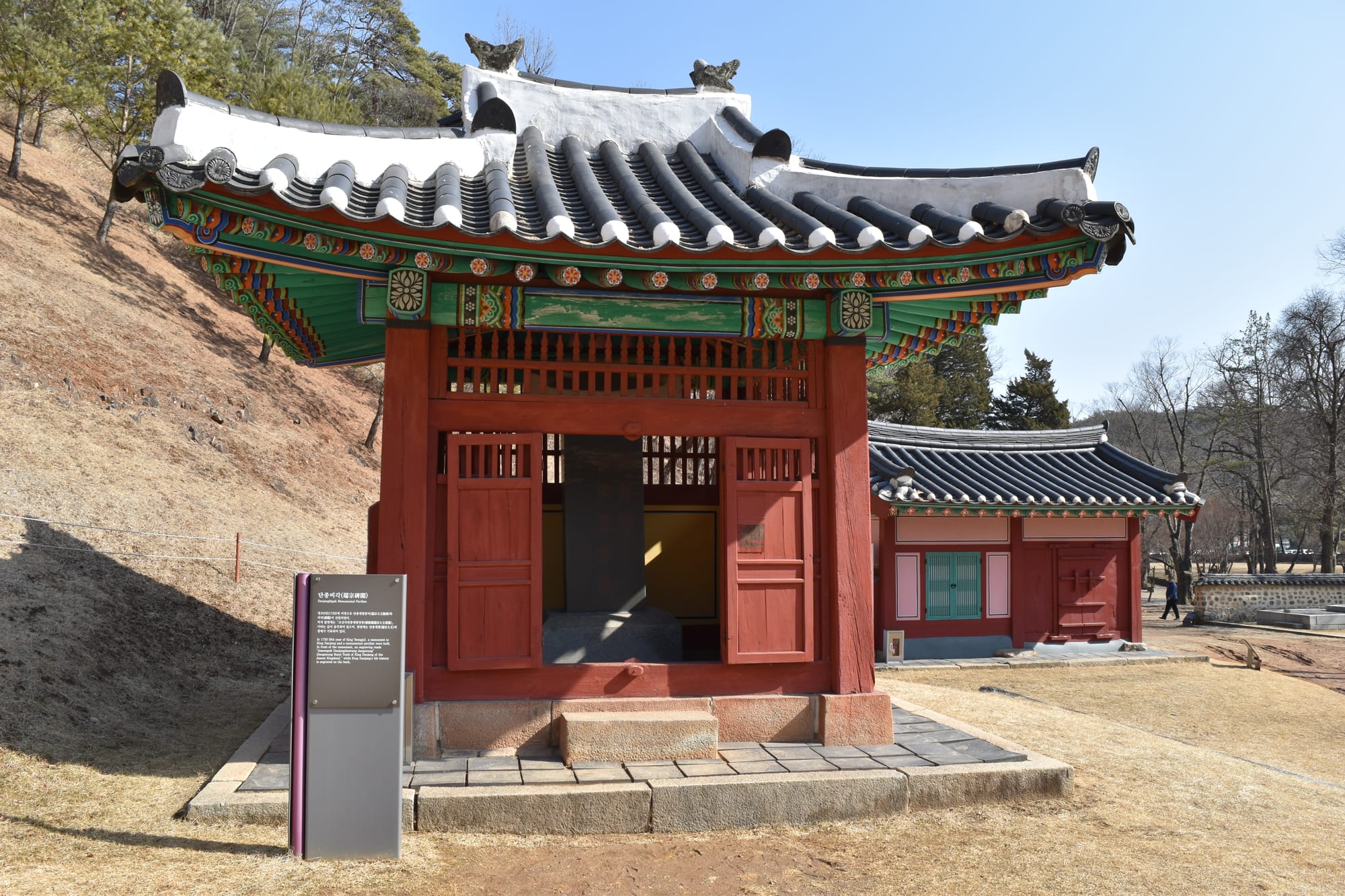
The work is more than a historical illustration; it is a visual record of how the Joseon royal family memorialized Danjong’s tragedy and the loyalty of his courtiers. It also reflects the state-driven efforts in the late 18th century, during the reigns of Yeongjo and Jeongjo, to organize and commemorate royal relics in Yeongwol.
Domestic audiences have recently been drawn to Danjong’s story by the popular film The Man Who Lives with the King, which has boosted interest in Yeongwol and related sites. The exhibition seeks to connect such cinematic interest with tangible artifacts, allowing visitors to encounter the actual places and people depicted in historical records.
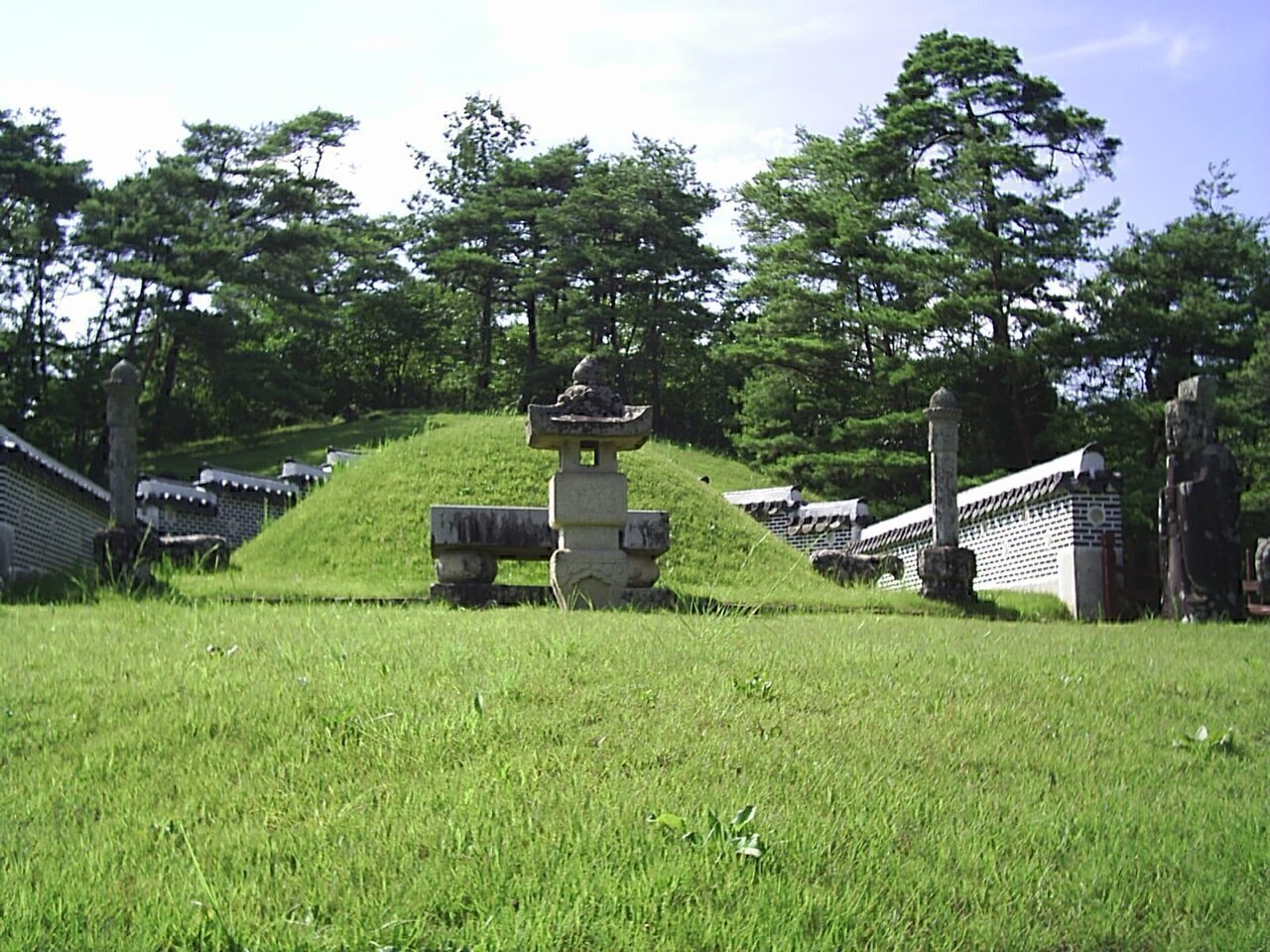
Korean Studies Institute staff describe Woljoongdo as a material counterpart to the dramatic narrative of the film: while cinema dramatizes events, the album records real individuals and locations, offering a direct window into the Joseon dynasty’s record culture and memory practices.
For U.S. readers, the event highlights Korea’s approach to preserving and interpreting royal history through archival art and manuscript culture. It underscores opportunities for cultural exchange, collaboration with American museums, and a broader understanding of Korea’s historical narrative as part of its ongoing soft-power strategy in culture, education, and tourism.