South Korean won weakens toward 1,500 per dollar as US data supports dollar
The South Korean won weakened against the dollar in late trading, closing at 1,497.50 won per dollar in after-hours activity, up 16.3 won from the previous close. The pair briefly touched 1,500 in intraday trading, before retreating. For the week, the official closing price was 1,493.70 won per dollar, about 3.80 won lower than the after-hours level.
Trading earlier in New York showed the dollar easing briefly as oil fell after Washington allowed temporary sales of Russian crude that had been stranded on ships due to sanctions. Those moves came as U.S. data released around the same time painted a mixed picture of the economy.
The U.S. Commerce Department’s second estimate for Q4 2023 real GDP showed a 0.7% annualized gain, slower than the 1.4% pace initially reported. At the same time, the January personal consumption expenditures price index—used by the Federal Reserve as its preferred inflation gauge—rose 0.3% for headline PCE and 0.4% for the core PCE, both in line with expectations.

On the jobs front, January openings rose by 396,000 to 6.946 million, topping forecasts of about 6.7 million. The combination of firmer hiring data and inflation readings left the U.S. dollar broadly supported, with the dollar index climbing back above 100 and crude oil prices rebounding by roughly 1%.
In the foreign exchange market, the dollar generally moved higher against major peers, pressuring the won back toward the 1,500-per-dollar level in after-hours trading. The day’s high and low for USD/KRW were 1,500.90 and 1,485.70, respectively, as global risk appetite fluctuated amid mixed U.S. data and oil dynamics.
Analysts weighed the implications for U.S. monetary policy. Sonu Varghese, Global Macro Strategist at the Carson Group, said the persistence of inflation signals even before the Middle East conflict could complicate the Federal Reserve’s path, suggesting a reduced likelihood of rate cuts in 2026 and potentially a later start to rate hikes this year.
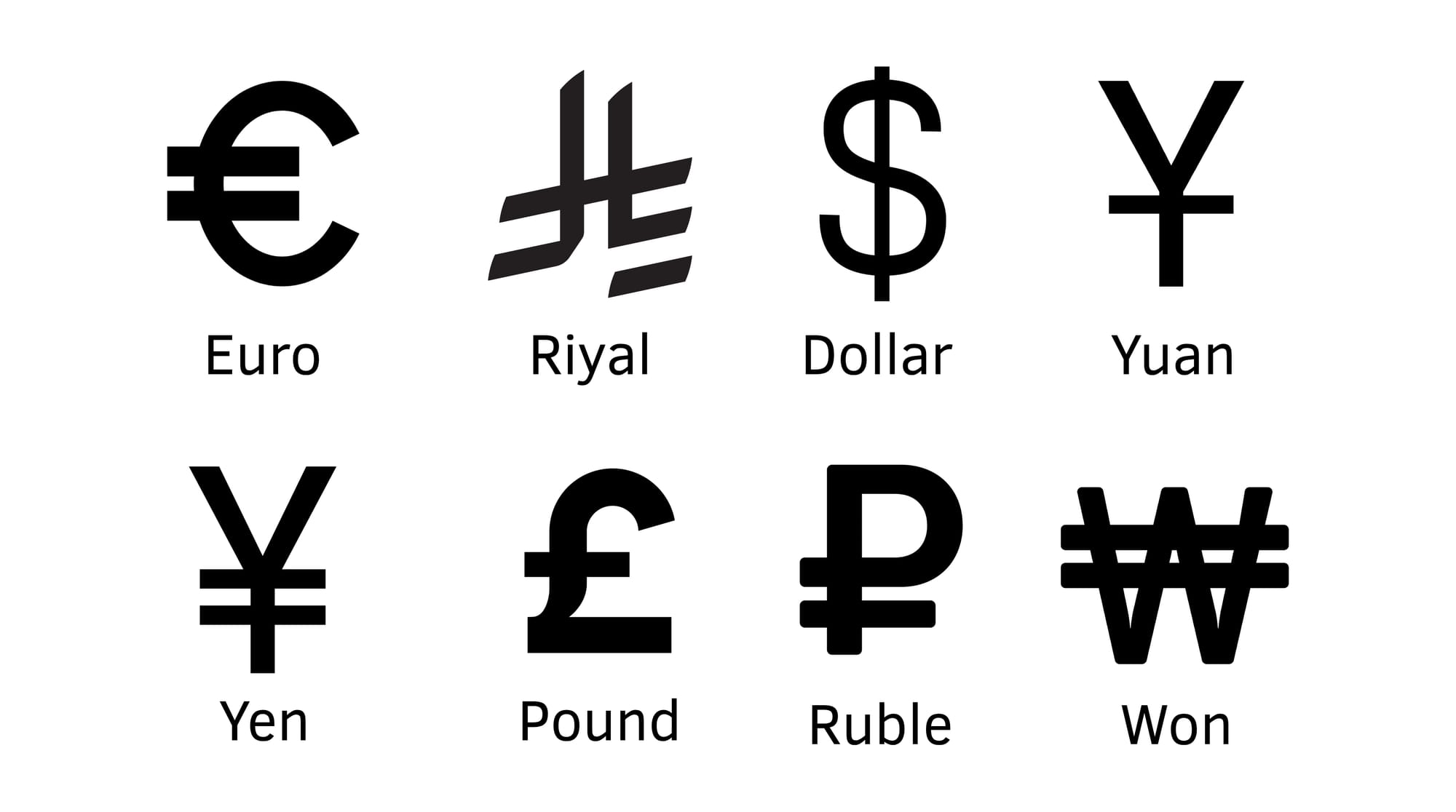
Around the world, the dollar also traded at 159.570 yen for USD/JPY and 1.14430 for EUR/USD early in the session, with offshore USD/CNY around 6.9029. The yen-to-won rate stood at about 936.07 won per 100 yen, and the yuan-to-won rate around 216.45 won. The day’s total spot trading volume on the domestic market, split between Seoul’s foreign exchange brokerage channels, reached about $14.56 billion.
Why this matters for the United States: Korea remains a key U.S. ally with a highly export-dependent economy, especially in tech hardware and semiconductors. A weaker won can boost Korean export competitiveness and affect prices for American consumers and businesses importing Korean goods. Conversely, a stronger dollar generally weighs on Korea’s export-driven growth. The moves also reflect how global oil prices and inflation expectations feed into Fed policy expectations, which in turn influence U.S. interest rates, dollar strength, and financial markets worldwide. As U.S. monetary policy evolves, the spillover effects touch supply chains, manufacturing costs, and investment flows linked to Korean firms and the broader Asia-Pacific market.