U.S. Officials Question Health and Legitimacy of Iran's New Leader Mojtaba Khamenei
The U.S. Department of Defense said that Iran’s newly named supreme leader, Mojtaba Khamenei, may have been injured and that his appearance could be damaged, according to Reuters and other outlets reporting on local time the 13th. The claim marks one of the first public suggestions by a U.S. official about his health and looks after his apparent rise to the top.
Speaking at a joint press conference, a U.S. official said the man widely described as Iran’s new supreme leader had suffered injuries and that his facial appearance may be disfigured. The remarks appeared aimed at underscoring concerns about the stability and legitimacy of Iran’s leadership transition.
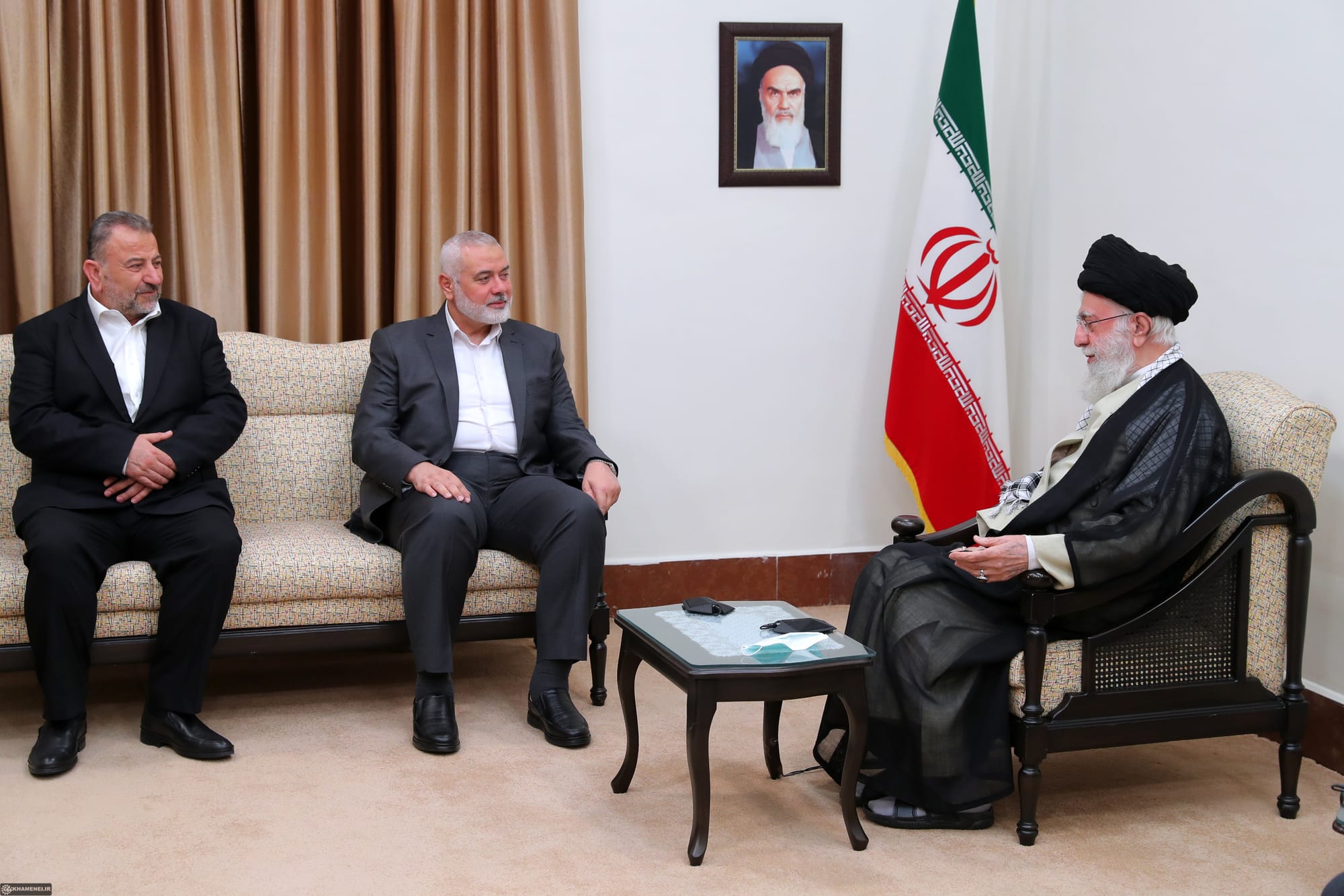
The official noted that Iran’s most recent statement on the matter appeared in written form rather than as a video or audio message, and he pointed to Iran’s access to cameras and recording equipment as a reminder that the regime is widely surveilled. The official also said Mojtaba Khamenei appeared frightened, injured, and in flight, and he questioned the legitimacy of the leadership claim.
Earlier, Mojtaba posted what was described as his first message four days after the election. However, the message was not delivered in video or audio; it was read aloud by a state-run TV anchor, fueling questions about the health and authenticity of the leadership announcement.
Context in Washington and among international observers has long treated Mojtaba Khamenei as a central figure in succession discussions around Iran’s aging supreme leader, Ali Khamenei. The designation of a successor and the fervor surrounding any health news about that figure touch on how Iran would conduct foreign policy, including its nuclear and regional posture.
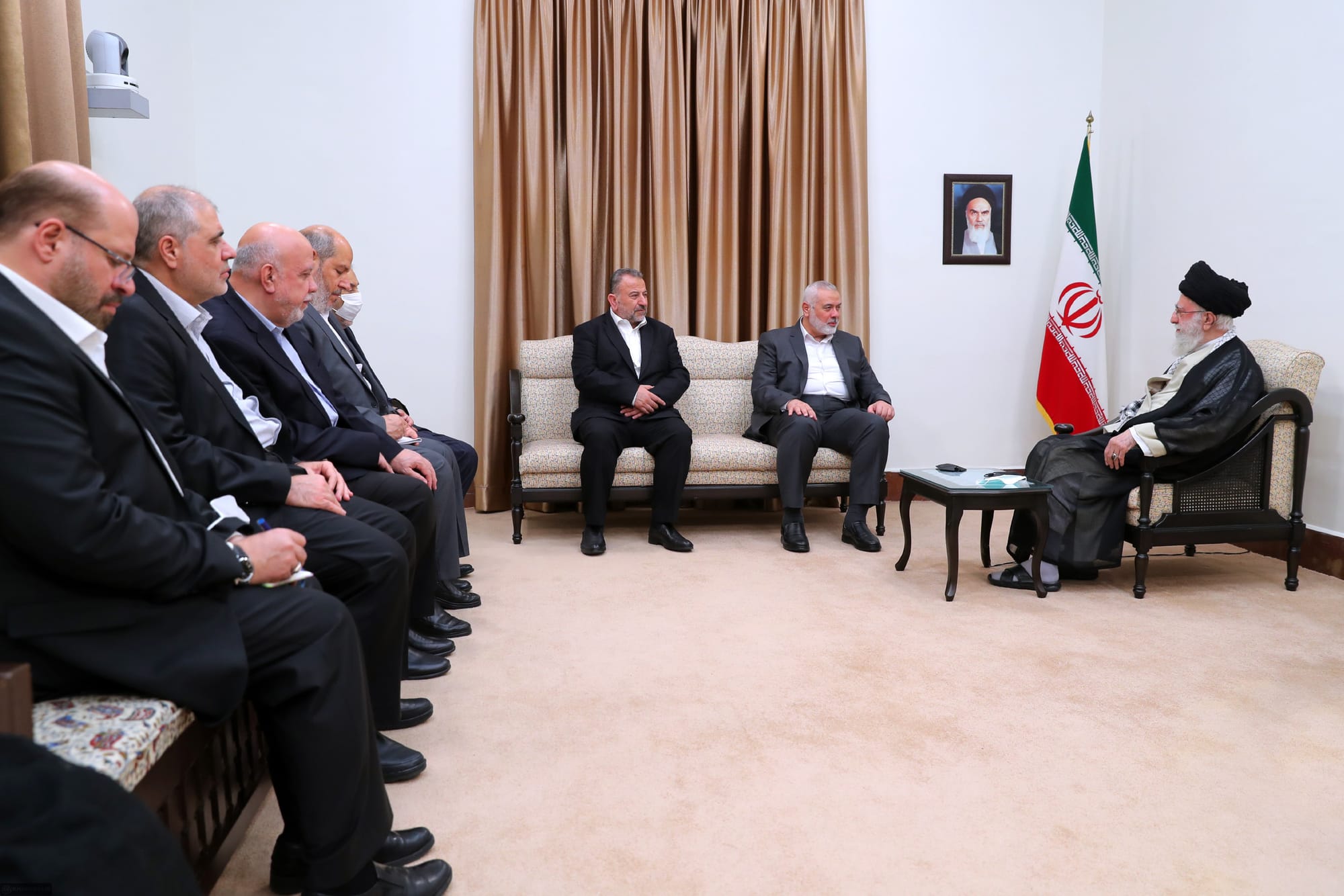
For U.S. readers, the developments carry potential implications for security and markets. Any signs of internal instability in Iran could affect Tehran’s policy calculations in the Middle East, influence risk in the Persian Gulf, and shape U.S. and allied responses to sanctions, diplomacy, and energy supply chains.
Iran’s leadership is tightly controlled and opaque, and officials in Iran have not publicly confirmed the details circulating abroad. Western officials and independent observers will be watching for further statements from both Tehran and Washington as the situation develops.