South Korea Weekend Weather: Dry, Cloudy; Light Snow in Gangwon Mountains, Frost Inland
The weekend in South Korea is expected to be largely dry with overcast skies and no significant rainfall, making outdoor activities comfortable. Daytime temperatures should be mild, while mornings and evenings will feel chilly.
A heavy snow advisory that had been in place for parts of Gangwon Province’s mountainous areas has been lifted. Despite the calm, light snow remains possible in some high-elevation locations.
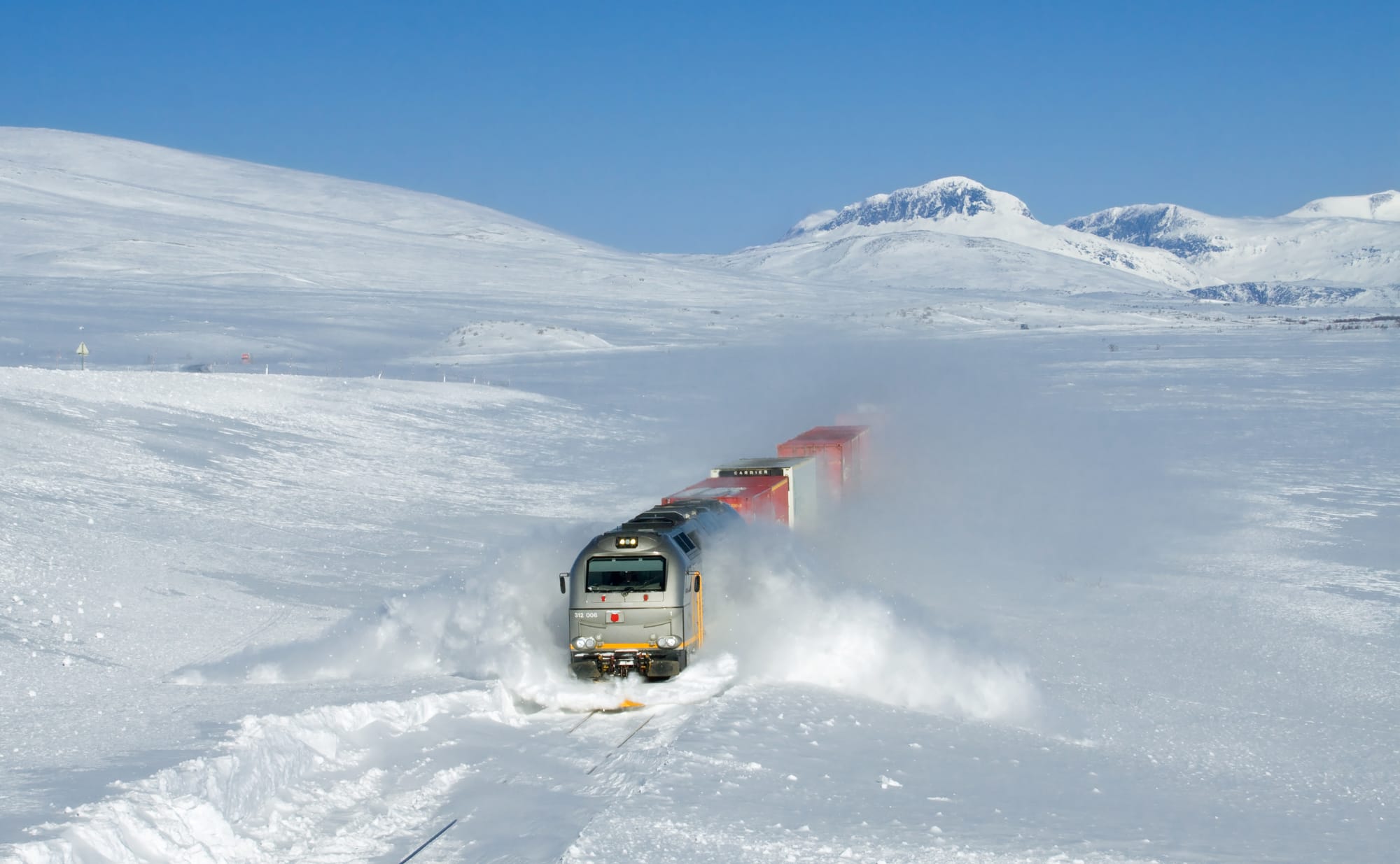
Today, the 13th, the forecast calls for less than 1 centimeter of snow in the central and southern portions of Gangwon’s mountains. Along the east coast of North Gyeongsang and in Busan and Ulsan, light rain is expected to occur and then taper off.
Tomorrow, the 14th, is expected to be mostly cloudy nationwide, with frost in the southern inland areas during the pre-dawn to morning hours. Coastal areas should watch for strong swells and rough seas.
Temperatures will run cool to cold early, with Seoul starting near 3°C in the morning. By afternoon, places like Gwangju could reach around 15°C, underscoring a noticeable diurnal temperature range.
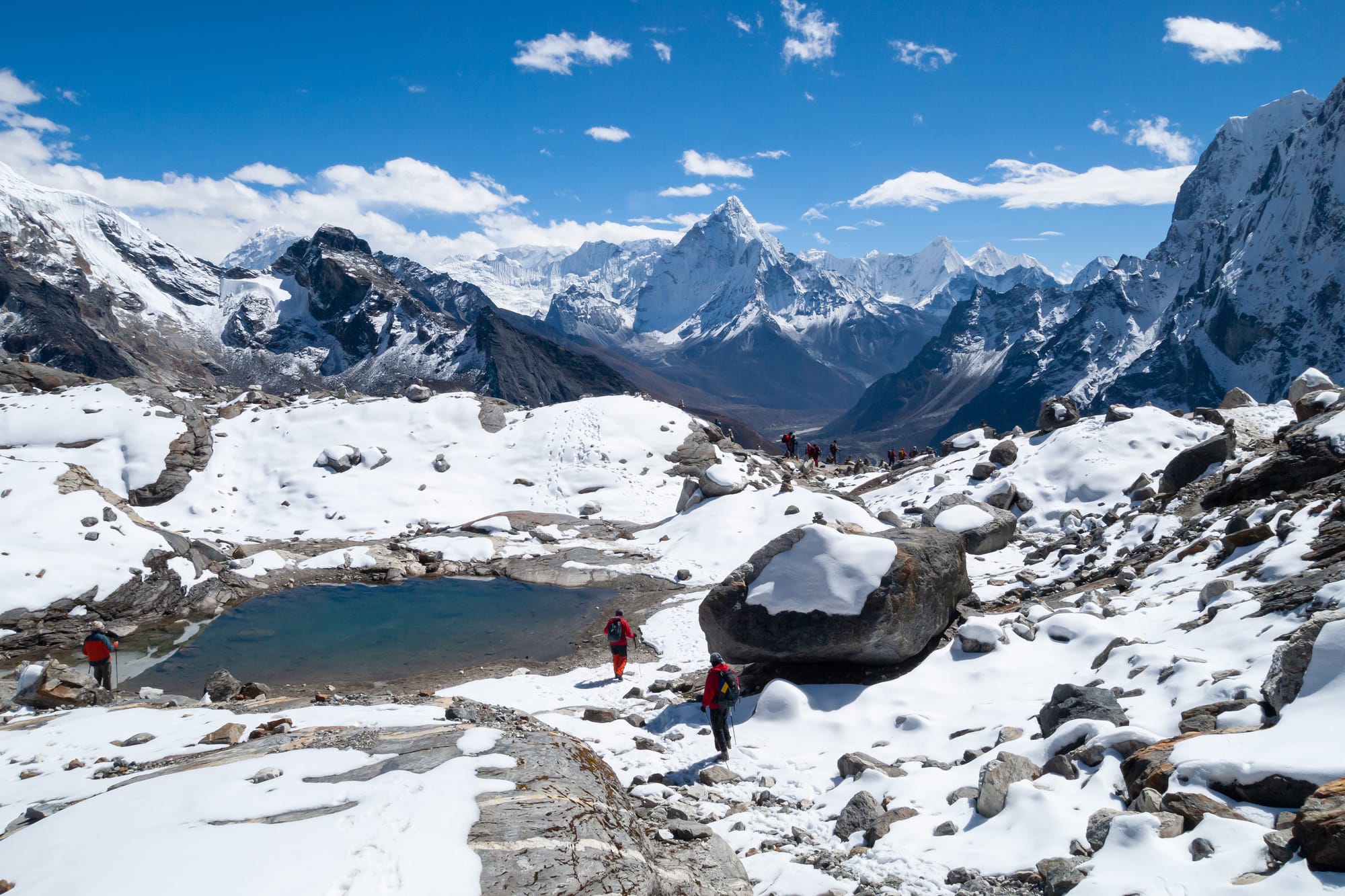
On Sunday, overseas fine dust is forecast to drift back into the atmosphere, likely reducing air quality in many areas by the afternoon. Officials typically monitor such events as they can affect health and outdoor activity, even beyond Korea.
Why this matters for the United States: South Korea’s weather directly influences its major export hubs, including Busan and the nearby maritime routes that feed global supply chains for electronics, autos, and machinery. Swells along the east coast and Jeju can affect shipping and fisheries, while frost and mild swings in temperature impact agricultural inputs and energy demand. Persistent air-quality episodes tied to overseas dust can inform regional air-pollution monitoring and cross-border environmental policy discussions, given the interconnected nature of regional markets and manufacturing supply chains.