South Korea begins enforcing government price cap on gasoline and diesel
Korea began enforcing a government-set price cap on refined petroleum products on the morning of the 13th, with nationwide gas stations posting new price information. On the day, the average price for a liter of gasoline fell to 1,872.62 won, down 26.16 won from the previous day, while diesel dropped 34.83 won to 1,884.14 won. Global oil markets remained volatile, with Brent crude briefly topping $100 per barrel as geopolitics in the Middle East intensified.
The price cap, announced by the government the day before, sets maximum wholesale prices per liter: regular gasoline at 1,724 won, automotive diesel at 1,713 won, and kerosene at 1,320 won. Industry data indicate the cap is intended to influence what retailers charge consumers, though the timing of price changes can vary by supplier and station.
By 2 p.m. on the 13th, data from the Ministry of Trade, Industry and Energy showed that out of 16,646 stations nationwide, 4,633 stations (43.5%) had lowered gasoline prices from the previous day, 5,804 stations (54.5%) kept prices unchanged, and 209 stations (1.9%) raised prices. For diesel, 4,661 stations (43.8%) had lowered prices. The share of stations cutting prices had risen 10.8 percentage points for gasoline and 5.9 percentage points for diesel since the morning.

Industry officials note that it typically takes about a week for the supply price reductions from refiners to fully reflect at the pump. In practice, price movements can vary depending on each station’s supply cycle. Between the 4th and the 5th, when President Lee Jae-myung ordered the price cap be put in place, direct-operated stations began to price gasoline lower than independent stations, reversing an earlier gap.
As of the 4th, direct-operated stations averaged about 1,782 won per liter, slightly higher than independent stations at 1,777 won. After the directive on the 5th, direct-operated stations became cheaper. By the 12th, direct-operated gasoline averaged around 1,805 won, versus about 1,904 won at independent stations, a gap of roughly 100 won per liter in favor of the state-run outlets.
On the ground, some stations reported that the price relief had not yet been felt in practice. In Seoul’s Yeongdeungpo District, a station continued selling gasoline in the 1,900 won per liter range the day of the cap's start. In Gyeonggi Province’s Anyang, a station owner said they were selling at a loss to move fuel bought at higher prices days earlier, while in Seoul’s Yangcheon District another shop owner said inquiries about price cuts were already rolling in.
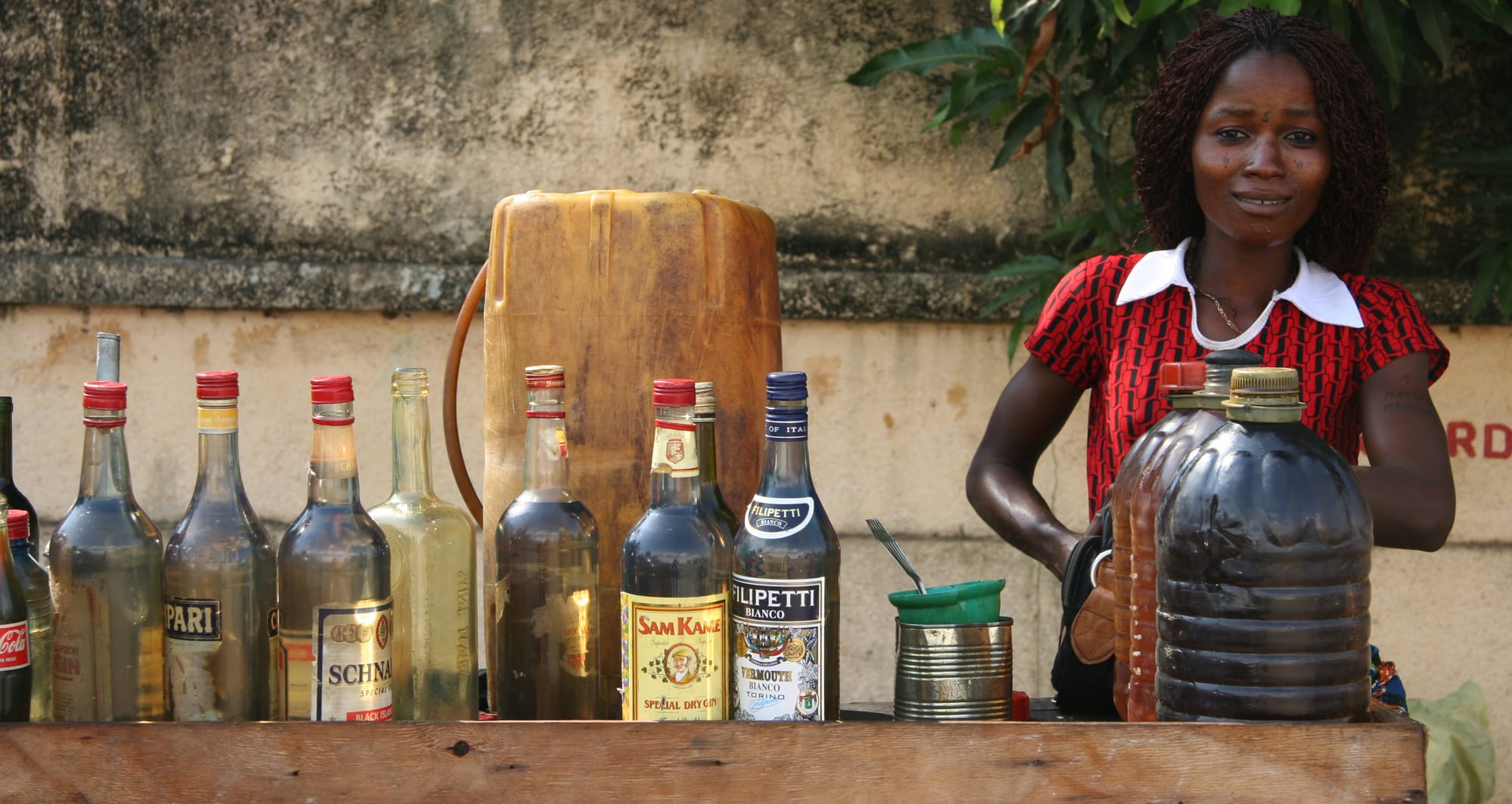
A representative of the Korea Petroleum Association said price changes can vary by supplier timelines, noting that some stations receive fresh supplies every day while others are tied to longer cycles, even up to two months. The association added that delays in passing through the price-cap-adjusted supply can mean uneven losses for some stations.
Prime Minister Kim Jong-kwan, head of the interministerial task force, chaired a meeting to plan further steps to curb illegal fuel distribution and ensure the price-cap regime takes hold. Since the crackdown began on the 6th, the unit has conducted over 800 inspections and found 20 violations, with plans to conduct more than 2,000 inspections monthly. Kim said price reductions were already evident and vowed accountability for refiners or stations that violated the rule.
Officials signaled that the government would monitor the situation alongside the evolving global oil market and consider additional relief measures, including possible further cuts to fuel taxes or targeted subsidies for vulnerable groups, depending on oil-price movements and domestic inflation pressures. The Middle East–related spike in global oil prices underscored the potential for domestic policy tools to shield consumers from external shocks while also testing market dynamics in Korea. For U.S. readers, the episode illustrates how a major oil-importing economy uses regulation to influence consumer fuel costs, with implications for inflation, supply chains, and energy policy that can echo into broader markets and multinational trade.