Trump Signals Tougher Iran Posture as Strait of Hormuz Tensions Rise
U.S. President Donald Trump said in a Fox News Radio interview that Washington would “strike Iran very hard” over the coming week, signaling a tougher military posture two weeks into the latest escalation with Tehran. The remark underscored a shift toward sustained pressure rather than a quick, decisive end to any confrontation.
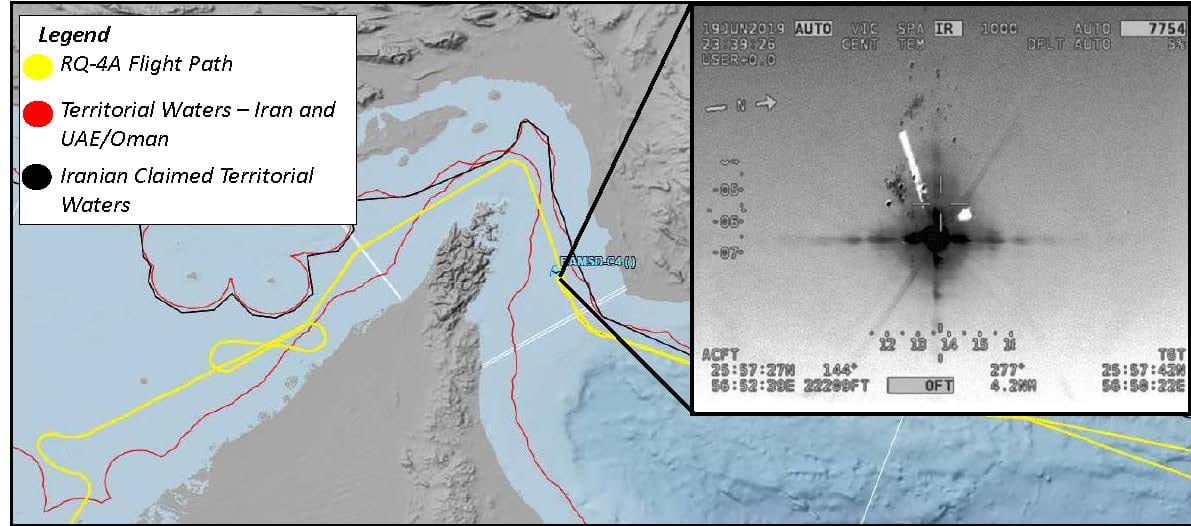
Trump also addressed the issue of escorting vessels through the Strait of Hormuz, saying that if necessary the United States would undertake such operations, but emphasizing a preference for a diplomatic or de-escalatory path if possible. The Hormuz Strait, a narrow waterway at the mouth of the Persian Gulf, is a critical artery for global oil shipments; market observers have linked potential disruptions there to rising crude prices.
When asked about a timeline for ending hostilities or a potential ceasefire, Trump offered no date, saying only that he would know when the moment arrives. He did not provide a concrete timetable for conflict resolution.
In remarks about Iran’s leadership, Trump referred to Mojtaba Khamenei, Iran’s widely discussed potential successor to the Supreme Leader, saying the individual had been wounded but was “probably alive.” The comment reflects Trump’s speculation rather than established fact, and it has not been independently verified.
U.S. defense officials and media outlets have reported military movements in the region: a Japan-based amphibious assault ship, the USS Tripoli, and a Marine Expeditionary Unit are reportedly moving toward the Middle East, with up to 2,500 Marines potentially joining U.S. forces there. Analysts caution that such deployments may serve multiple purposes, including embassy security and civilian evacuations, and do not automatically indicate an imminent ground campaign.
The United States is also pursuing diplomatic pressure. The State Department announced a reward of up to $10 million for information leading to the disruption of Iran’s leadership or key Islamic Revolutionary Guard Corps figures, reflecting a broader effort to constrain Tehran through nonmilitary means as well as military posturing.
For American readers, these developments matter beyond Korea because the Hormuz chokepoint directly affects global energy markets and supply chains. Any rise in regional tensions can influence oil prices, inflation, and the cost of goods, with implications for U.S. households and businesses. The situation also has security and policy implications for the United States and its Gulf partners, including the potential need for continued international coordination and risk management in a strategically sensitive region.
Background context: the Strait of Hormuz connects the Persian Gulf with the Gulf of Oman and the Gulf of Aden, funneling a substantial portion of the world’s oil shipments. The Islamic Revolutionary Guard Corps (IRGC) is a powerful Iranian security and military force, playing a central role in Iran’s strategic calculations. Ali Khamenei is the long-serving Supreme Leader of Iran; Mojtaba Khamenei has been discussed in international discourse as a possible successor, but no official succession has occurred.