New Unmanned Surface Vessels Threaten Strait of Hormuz Oil Shipments
Analysts say a new maritime threat is forming near the Strait of Hormuz, with imagery and reports that oil tankers are being targeted by unmanned surface vessels disguised as ordinary boats. The concept centers on “drone boats” that could be deployed in swarms to attack ships in what observers are calling a new phase of hybrid maritime warfare.
A report cited by Fox News quotes Draganfly chief executive Cameron Chell, who warns that Iran is using explosive-loaded, remotely controlled unmanned surface vessels and encrypted wireless communications to coordinate attacks. Chell suggests a single operator could control multiple vessels, or the drones could operate in pre-programmed swarms that approach targets and detonate charges.
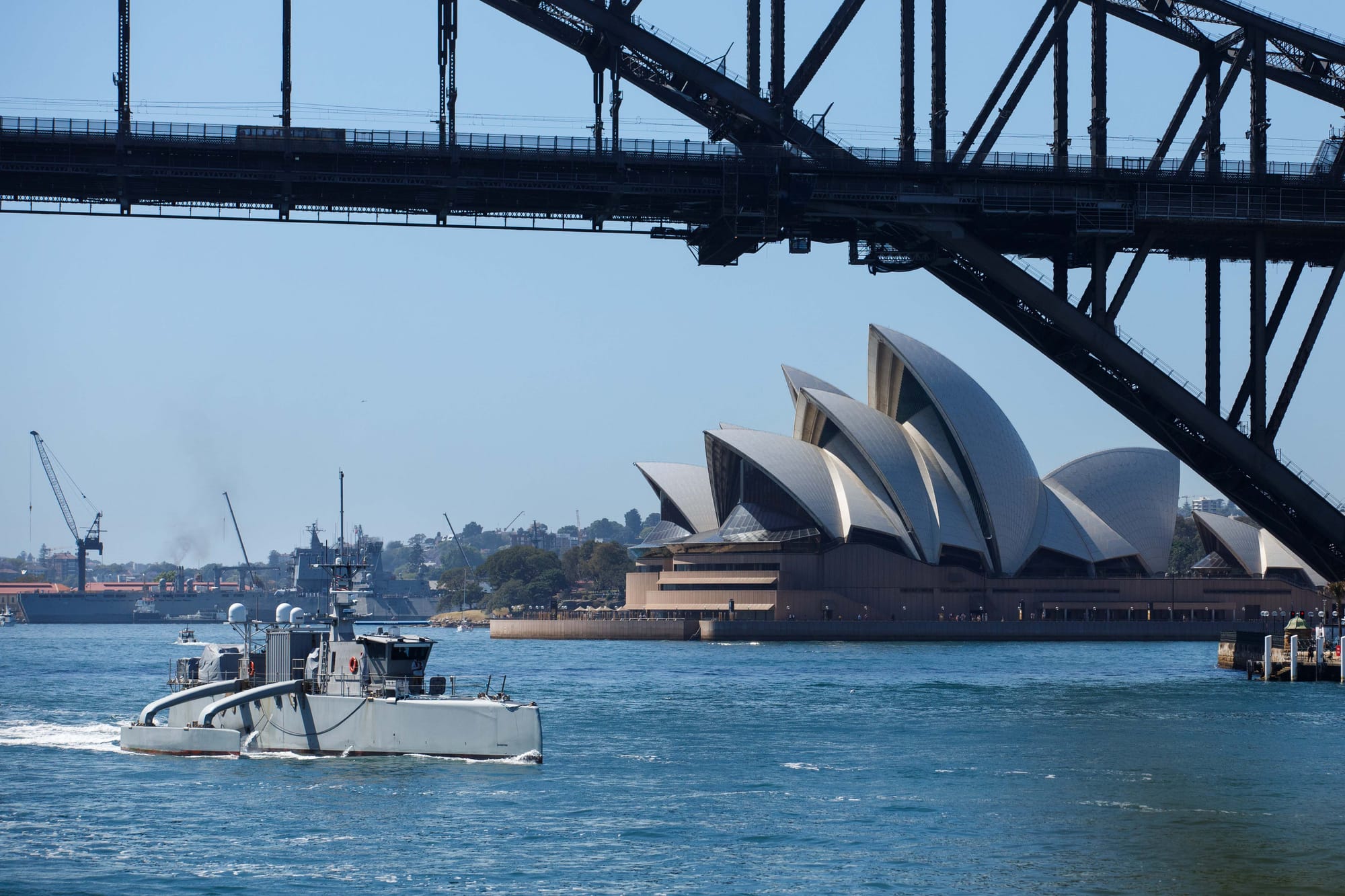
The claims come as signs accumulate that Iran is deploying unmanned vessels against commercial ships. UK Maritime Trade Operations, or UKMTO, said a tanker registered under the Marshall Islands was attacked in waters near Oman by an Iranian unmanned surface vessel on the 1st of the month. On the 11th, two tankers in the Persian Gulf were reportedly attacked by remotely controlled ships.
Observers say the aim is to disrupt the Strait of Hormuz, a chokepoint through which roughly 20% of global oil shipments pass. By threatening oil flows, Iran seeks to apply political and economic pressure on Western powers and influence international energy markets.
Experts describe this as a shift toward hybrid warfare at sea, combining drones with explosives, and possibly mines, in guerrilla-style attacks. The use of unmanned platforms—whether remote-controlled or pre-programmed—poses new challenges for conventional defense and tracking methods.

For the United States and its allies, the implications are broad. A disruption of Hormuz-area shipping could push crude prices higher, ripple through global energy markets, and affect U.S. supply chains and inflation. The incidents also underscore risks to Gulf security and the reliability of international trade routes on which many U.S. allies and partners depend.
Context for non-Korean readers: the Strait of Hormuz lies between Iran and Oman, linking the Persian Gulf with the Gulf of Oman and the Arabian Sea. The UKMTO is a U.K. Royal Navy-operated service that provides maritime safety warnings to merchant ships in the area. Draganfly is a drone-technology firm cited in the reporting as the source of analysis about unmanned surface vessels and their potential capabilities. The episodes come amid a history of naval patrols and security concerns in a region central to global energy security and international markets.