Oil prices swing amid Middle East tensions as U.S. taps SPR, IEA stockpiles
Oil markets continued to swing this week as tensions in the Middle East intensified, underscoring how geopolitics can quickly feed into energy prices and global markets. In late trading, the won weakened against the dollar, with the USD/KRW rate briefly topping 1,500 won per dollar in after-hours trading.
Brent crude moved erratically: intraday on the 9th, it traded near $120 per barrel before dipping below $90 on the 10th and then recovering toward $100 by the 12th. U.S. light crude, WTI, also rose sharply, closing up about 9% on the day to around $95–97 per barrel at times during the period.
Iran’s new supreme leader signaled a continued use of energy as a political lever, stating that blocking the Strait of Hormuz could remain a pressure tool. The Hormuz Strait, a critical chokepoint through which a significant share of global oil passes, helps explain why the market reacted so strongly to such statements. In Washington, a top U.S. energy official said that protecting maritime shipments or escorting tankers is not feasible at present, a remark that reinforced supply worries for traders.
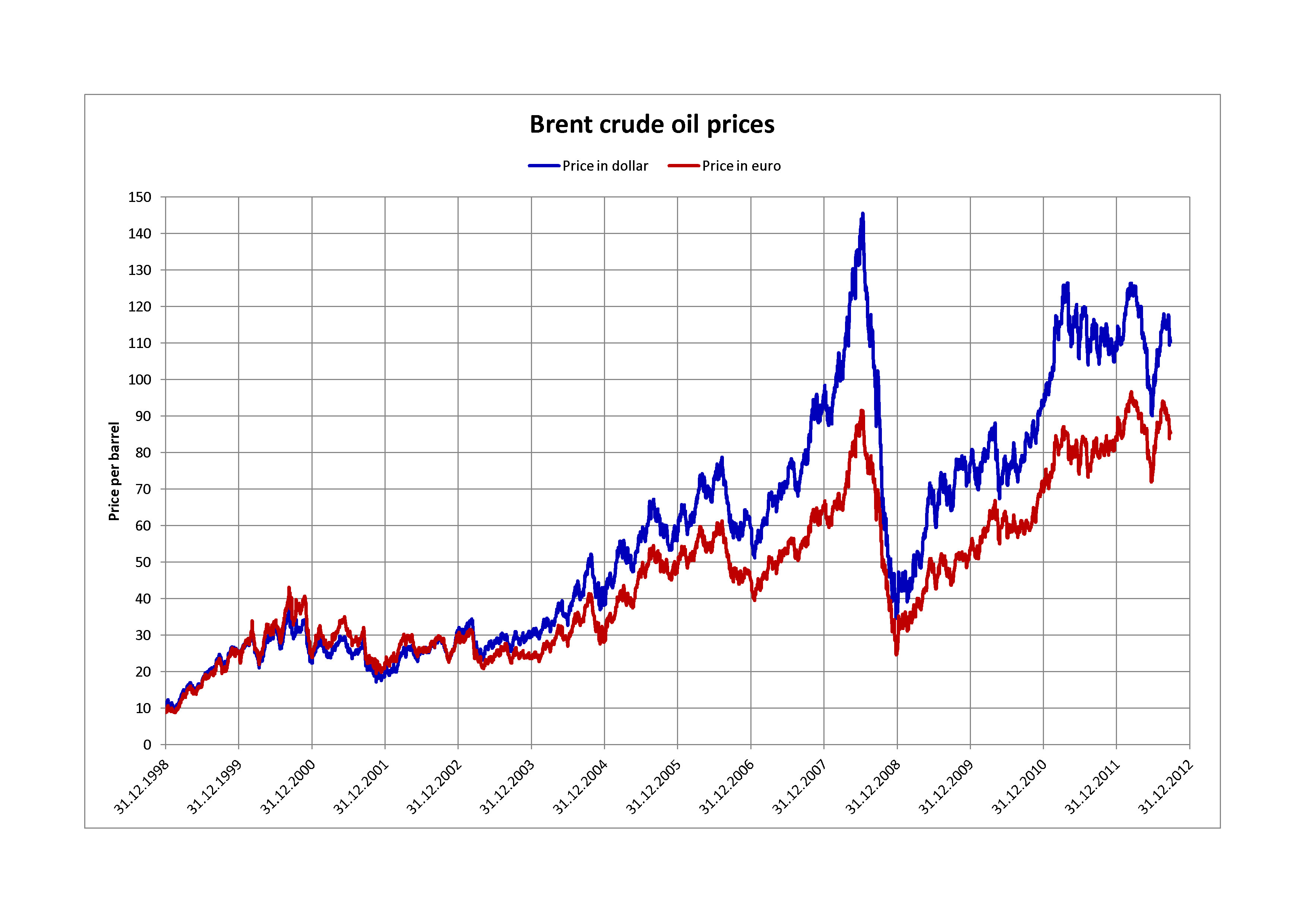
To stabilize prices, U.S. authorities took steps aimed at easing supply pressures. The Treasury’s Office of Foreign Assets Control issued a 30-day general license allowing purchases of Russian crude and oil products that had been sanctioned, enabling roughly 120 million barrels of Russian crude and products to move more freely. At the same time, the United States announced a sale from its Strategic Petroleum Reserve (SPR) of about 172 million barrels to help cushion the market for roughly four months.
Internationally, the IEA—whose 32 member countries coordinate emergency energy moves—said it would release a record 400 million barrels of emergency stockpiles among its members. These synchronized releases aim to shore up supply during a period of heightened risk, though analysts note the structural risk from the Hormuz chokepoint remains unresolved and can sustain price volatility.
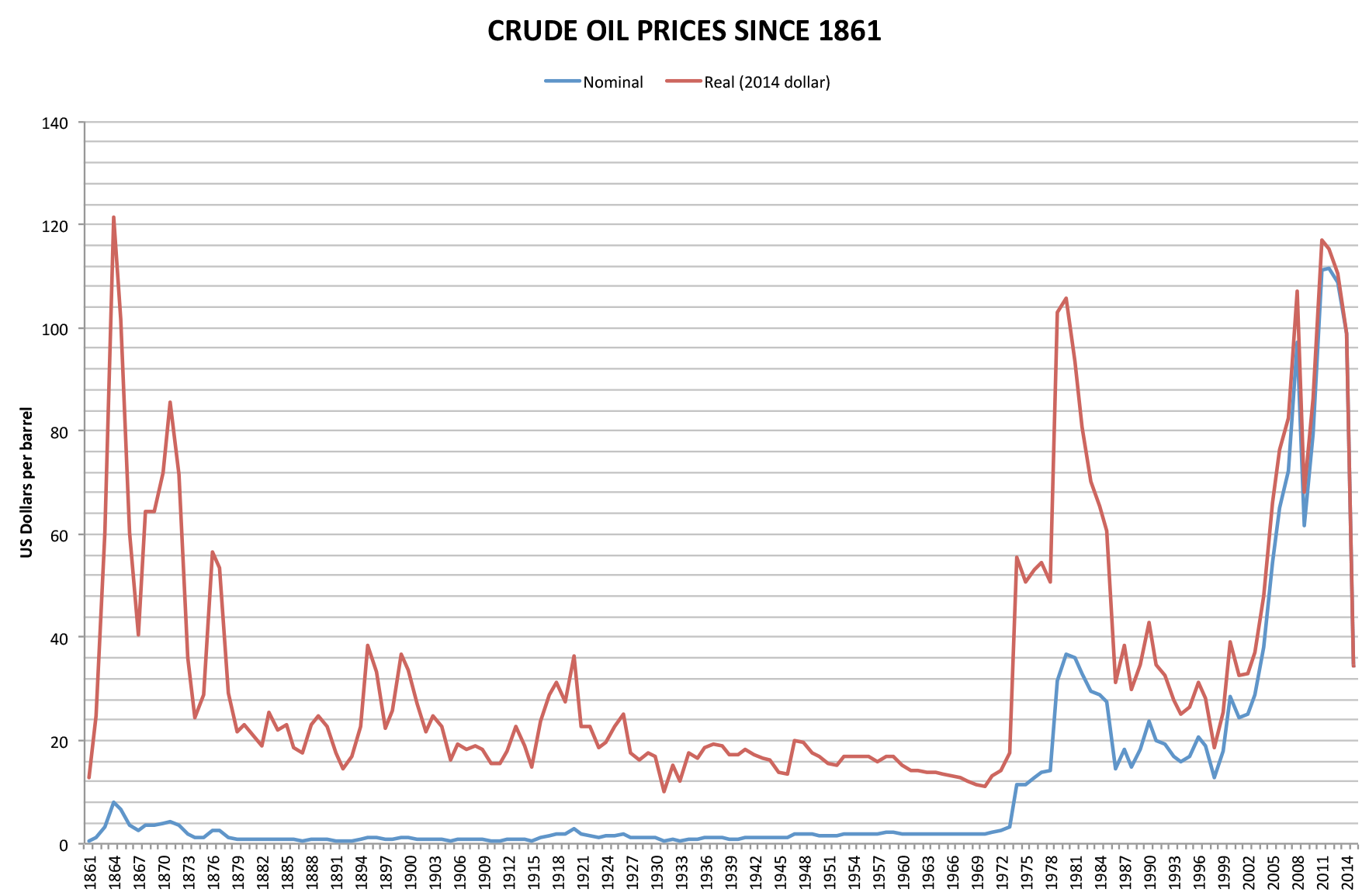
Analysts at major banks lifted their oil-price forecasts in light of the renewed supply risks. Goldman Sachs projected Brent to average higher in the near term and said a prolonged disruption could lift prices further, with Brent around $71 and WTI around $67 in the fourth quarter under a heightened-supply-risk scenario. They also suggested that average prices could reach about $110 per barrel in a severe upside scenario if supply constraints deepen.
In Korea, the financial impact was immediate. The benchmark KOSPI closed down 1.72% at 5,487.24, after slipping earlier to 5,412.39 on the session open. Government bond yields rose across maturities, with the 3-year tenor climbing to about 3.338% as investors priced in higher inflation risk from rising energy costs.
Beyond Korea, the episode highlights how geopolitical conflicts redraw energy and currency markets worldwide. For the United States, the movements matter for inflation trajectories, consumer energy costs, and the cost of funding debt. For investors and policymakers, the episode underscores the interconnectedness of energy security, global supply chains, and financial stability in an era of heightened geopolitical risk.