South Korea’s Democratic Party Finalizes 14-Slot Jeollabuk-do Local Election Slate
The Democratic Party of Korea’s central leadership has finalized its candidate slate for Jeollabuk-do’s local elections, confirming the field for the province’s mayoral and county-chief races after a long review. A total of 53 candidates are competing for 14 nomination tickets, a pool well known in Korea as a 3.8-to-1 ratio.
The decision followed a late-night session of the party’s Supreme Council on the 12th, which cited recommendations from the provincial party’s nomination committee regarding three candidates classified as exceptions. The top body moved up its agenda to conclude the Jeonbuk races, holding the meeting in Sunchang that had been planned for the next day.
Three candidates deemed “exceptional targets” by the provincial screening committee are slated to receive a penalty of 20 to 25 percentage points in their primary scores. The penalty is designed to reflect the exceptional status while allowing them to remain in the competition within the larger field.
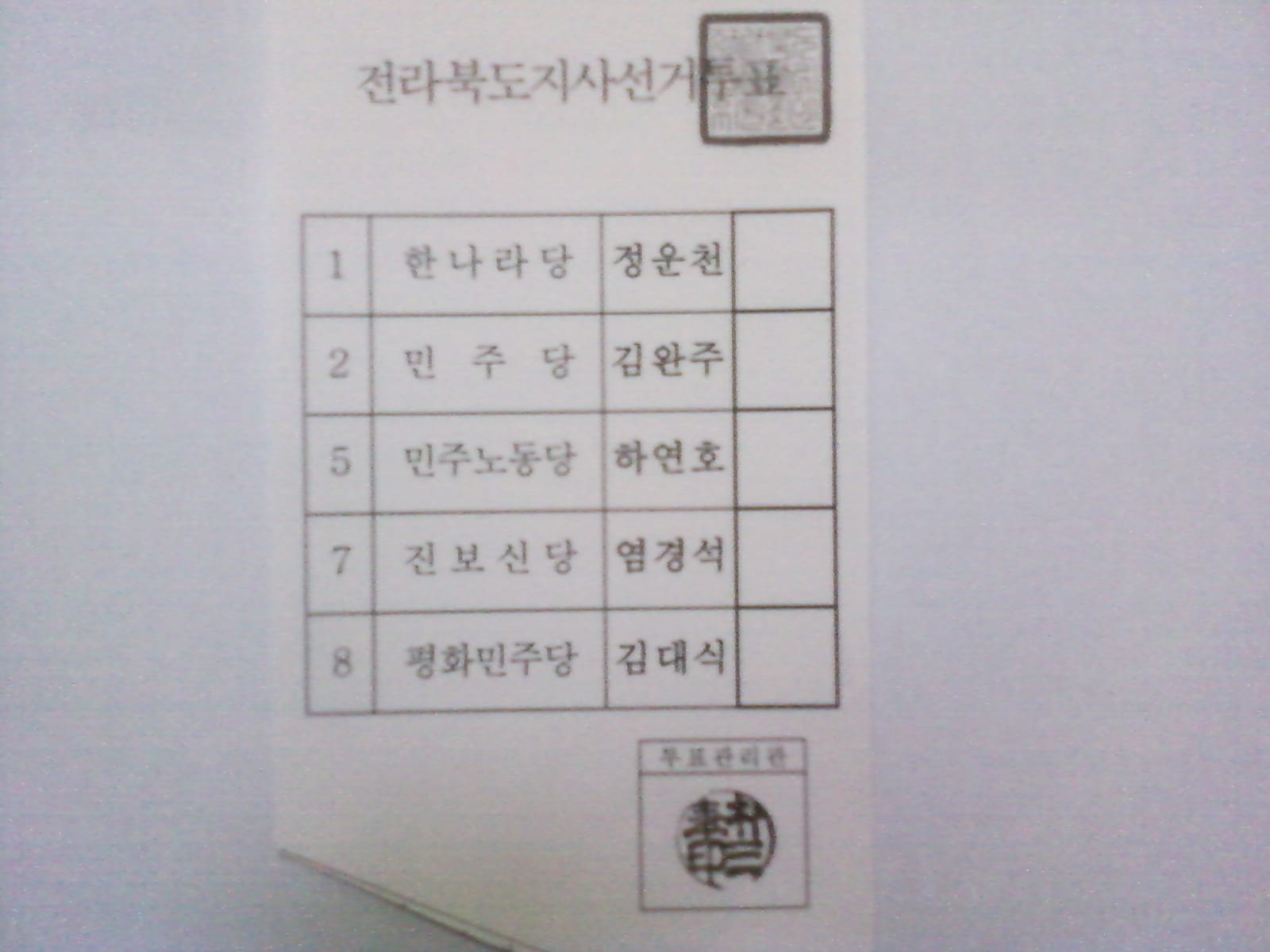
With the central decision, the field for Jeollabuk-do’s local races now centers on 14 nomination slots spread across major cities and counties, including Jeonju, Gunsan, Namwon, Jeongeup, Gimje, and several rural districts. The announced lineup maps onto the province’s key municipalities and county seats.
In Jeonju, the provincial capital, the mayoral race will feature three candidates: Guk Ju-yeong-eun, Woo Beom-gi, and Jo Ji-hoon. Gunsan’s mayoral contest is the most crowded, with eight contenders led by incumbent Kang Im-jun alongside Kim Young-il, Kim Jae-jun, Na Jong-dae, Park Jung-hee, Seo Dong-seok, Jin Hee-wan, and Choi Kwan-kyu.
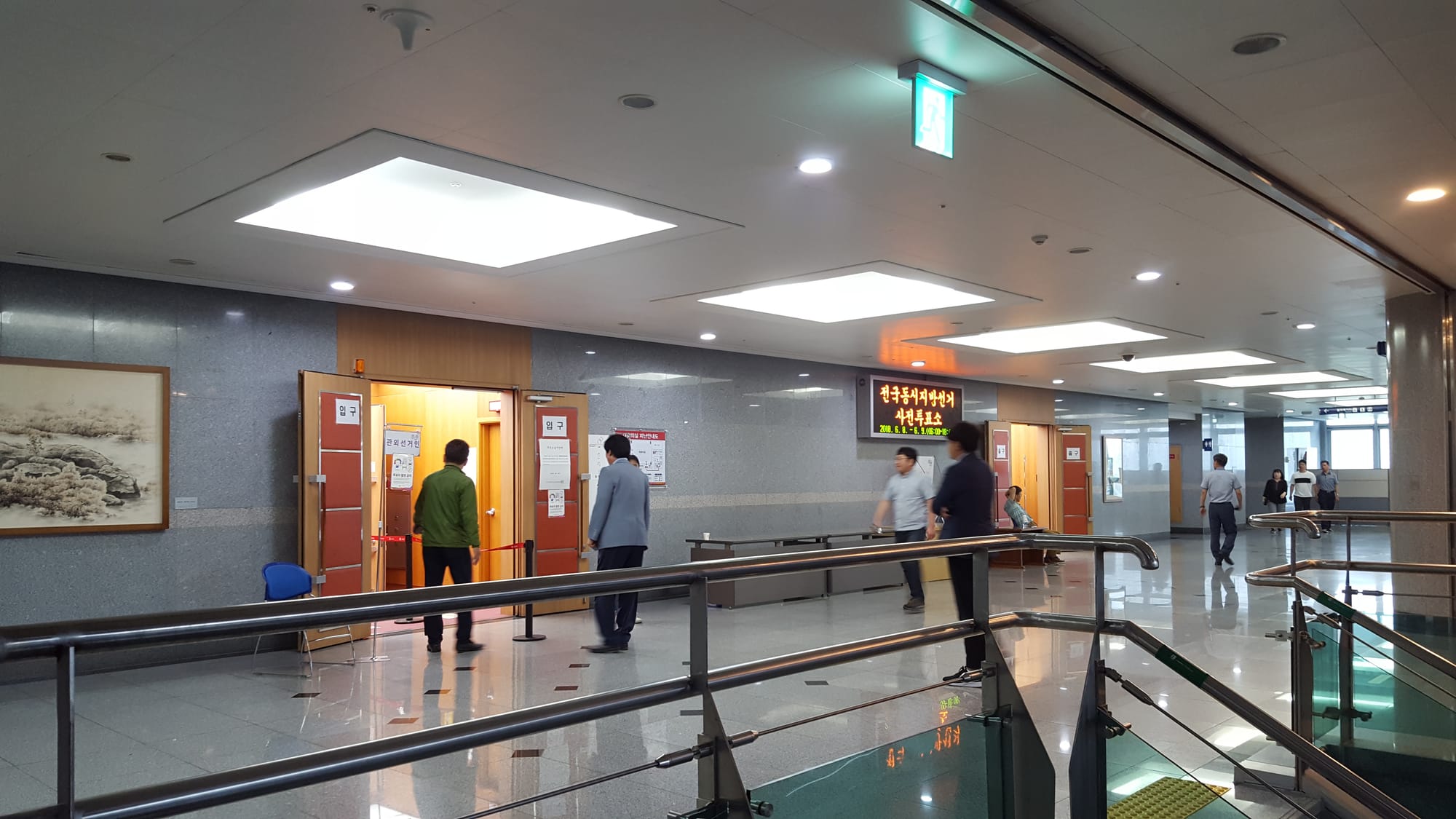
Namwon’s mayoral race comprises three confirmed candidates — Kim Won-jong, Yang Chung-mo, and Lee Jeong-rin — with one additional contender, Kim Young-tae, awaiting reconsideration by the provincial screening committee. Other counties such as Iksil (Il-seum), Buan, Muju, Gochang, Sunchang, Jangsu, Jin-an, and Jinan also feature multiple hopefuls in various competitive groups.
The provincial committee plans to review interview results and prior screening materials, including Namwon’s trio and the reconsideration case, before finalizing Jeollabuk-do’s local-government election slate. The outcome will determine how the party positions itself across one of Korea’s most economically significant southwest regions.
Why this matters beyond Korea: Jeollabuk-do hosts manufacturing clusters, agricultural sectors, and infrastructure projects that intersect with U.S. supply chains and bilateral trade. Local leadership in these municipalities can influence investment climates, regulatory approaches, and project approvals that affect multinational firms and U.S. companies with Korea ties. As Korea’s national politics are often shaped by regional contests, the Jeollabuk-do results may foreshadow broader policy directions in technology, energy, and regional development that could influence markets and partnerships involving the United States.