Korean Glaucoma Cases Rise Among Younger Adults, Prompting Earlier Screening
Glaucoma, long identified as one of the leading causes of blindness alongside age-related macular degeneration and diabetic retinopathy, is increasingly detected at younger ages in Korea, underscoring a shift in the disease’s reach beyond older adults.
Doctors warn that glaucoma often produces no noticeable symptoms in its early stages. It typically begins with peripheral vision loss and may progress to central vision damage if untreated. An acute form, acute angle-closure glaucoma, is an emergency presenting with sudden eye pain, redness, headache, vomiting, and rapid vision decline.
Government and hospital data show a climbing number of glaucoma patients in Korea. From 2020 to 2024, the number seeking treatment rose about 26 percent, from 967,554 to 1,222,254. While the highest patient totals remain among people in their 60s and older, there is also a notable rise among those in their 20s and 30s, with cases increasing by roughly 13 percent in that younger cohort over the period.
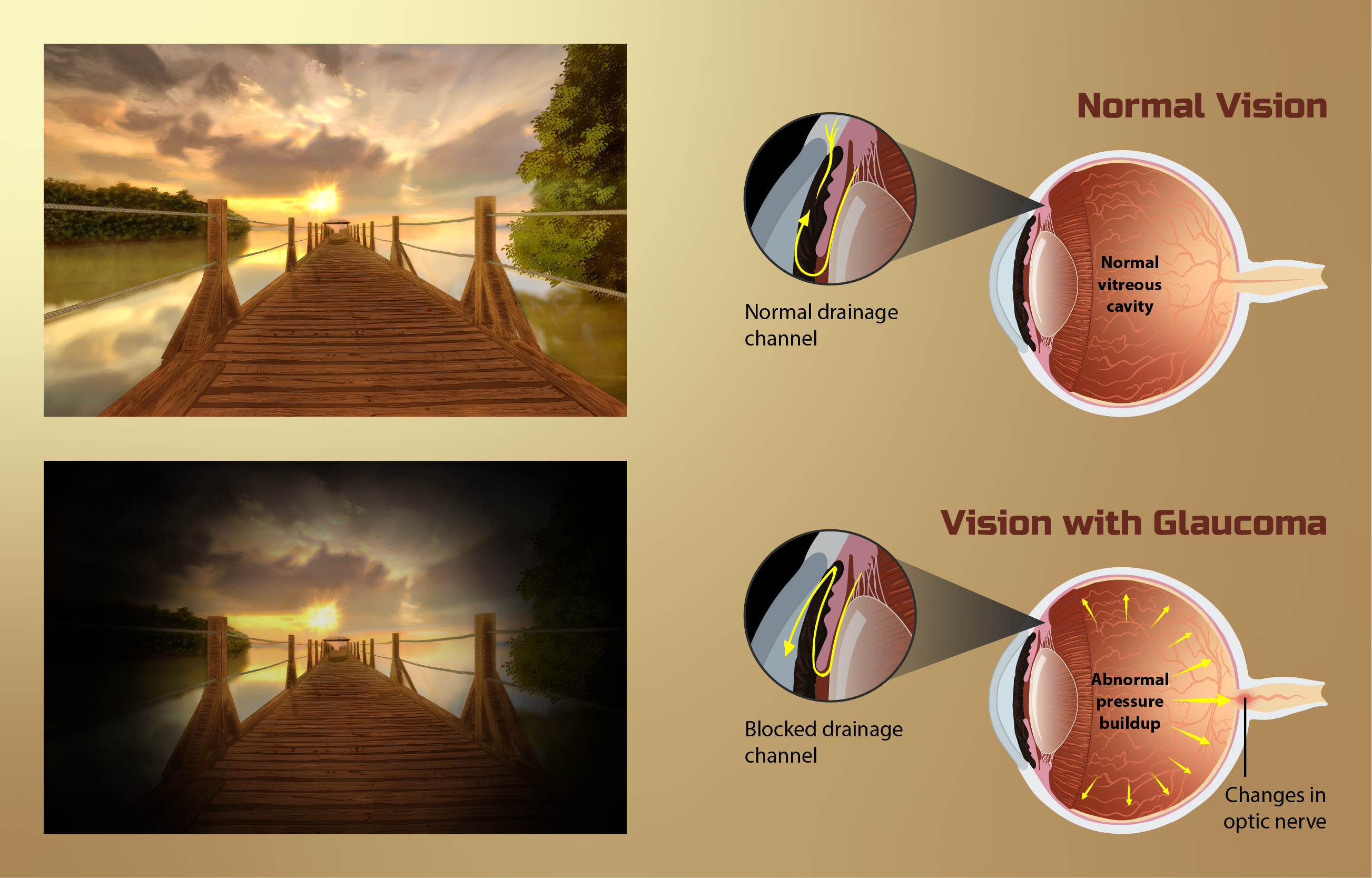
The most important risk factor for glaucoma is elevated intraocular pressure, which can damage the optic nerve. But normal-tension glaucoma—where pressure readings stay within normal ranges—also occurs, meaning risk factors beyond measured pressure matter. Family history, high myopia, thin corneas, and reduced blood flow around the optic nerve can heighten risk, even for younger individuals.
Diagnosis relies on a combination of tests: measuring intraocular pressure, examining the optic nerve with fundus imaging, and assessing visual fields. Optical coherence tomography (OCT) helps quantify nerve damage, while corneal thickness measurements refine pressure readings. In some cases, additional tests may be used to distinguish glaucoma from other optic nerve diseases.
Treatment typically starts with eye drops to lower intraocular pressure and reduce stress on the optic nerve. If medications do not control the disease, laser procedures such as trabeculoplasty or surgical options, including conventional filtering surgeries or implantable devices, may be considered. Recently, minimally invasive glaucoma surgery (MIGS) has gained traction as a safer, faster-recovering option, though it may offer a smaller pressure reduction compared with traditional surgeries. In acute angle-closure glaucoma, rapid pressure reduction is essential, often followed by laser iridotomy to restore fluid drainage.
Experts emphasize regular screening, especially for higher-risk groups. For people aged 40 and older, those with high myopia, or individuals with a family history of glaucoma, annual eye examinations are recommended even in the absence of symptoms. Other risk factors—long-term steroid use, diabetes, and hypertension—also warrant closer monitoring.
For U.S. readers, the Korean experience highlights several broader implications. Glaucoma remains a major global public health challenge, driven by aging populations and rising myopia rates. Ongoing access to effective eye drops, imaging technologies, and surgical innovations shapes both costs and patient outcomes in the United States. The emphasis on early detection and regular screening aligns with U.S. public-health goals of preventing irreversible vision loss and managing long-term healthcare expenditures through timely intervention.