South Korea's Temperature Swing Could Ripple Through Global Electronics Supply Chains

The Korea Meteorological Administration says the weekend will bring large day-to-night temperature swings and dry air across the country as South Korea remains in an early-spring mood.

Morning lows are forecast to range from -4°C to 4°C, while daytime highs are expected to be between 9°C and 15°C. In many regions, the difference between day and night could approach about 15°C.
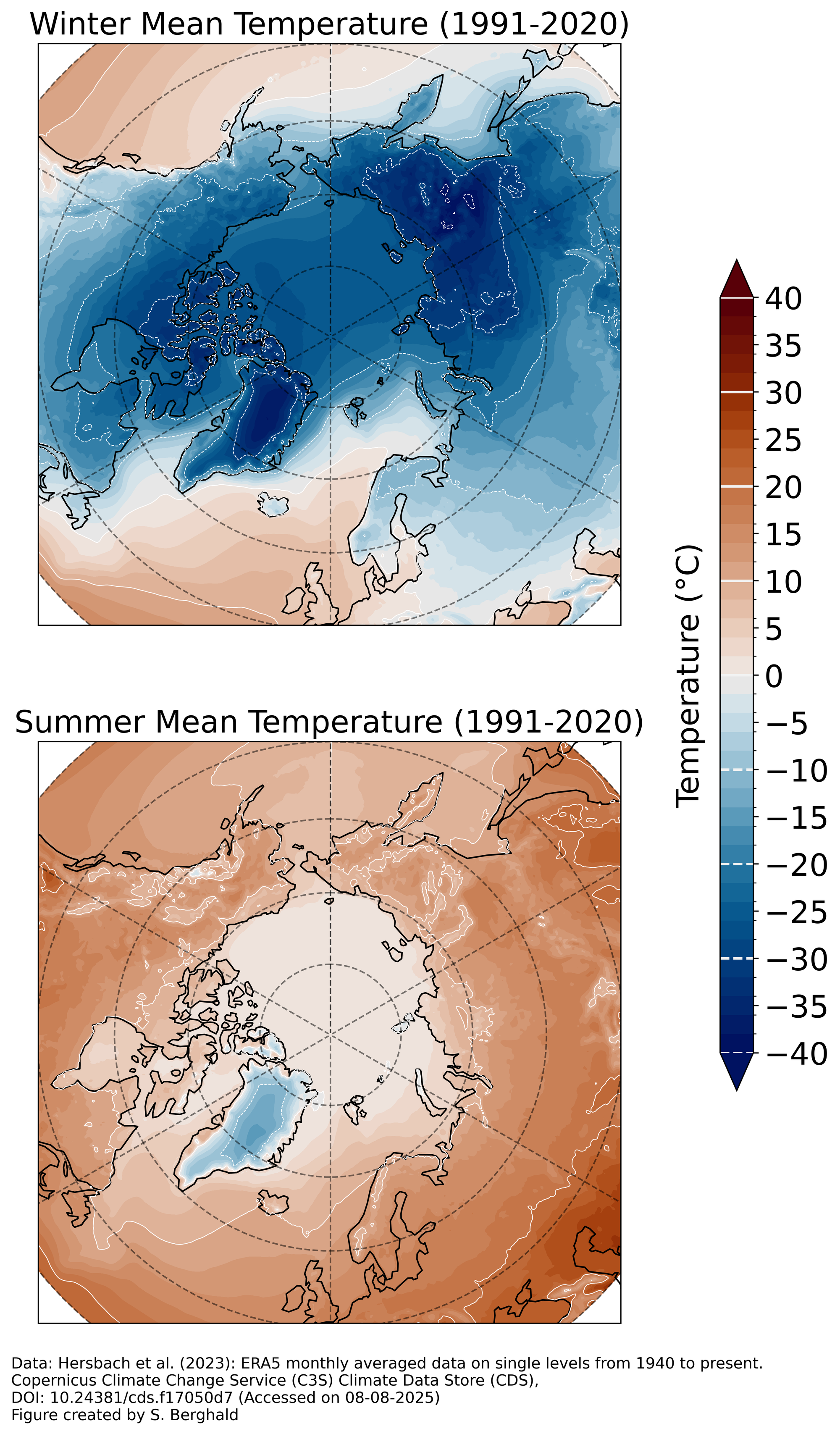
This figure shows the 30-year (1991-2020) average surface temperature (2m) for summer (DJF) and winter (JJA) in Antarctica based in ERA5 reanalysis data.
Representative image for context; not directly related to the specific event in this article. License: CC BY-SA 4.0. Source: Wikimedia Commons.

Air quality is expected to be good to moderate, with PM2.5 levels in the favorable to acceptable range for most areas.

The pattern reflects Korea’s transitional period between winter and spring, marked by dry air masses and variable temperatures. Residents are advised to dress in layers and be prepared for a quick change in conditions when moving from outdoor mornings to milder afternoons.

For people planning outdoor activities or travel, the wide temperature swing means changing clothing and schedules may be necessary. Outdoor workers and logisticians should factor the chilly mornings and possible afternoon warmth into planning.
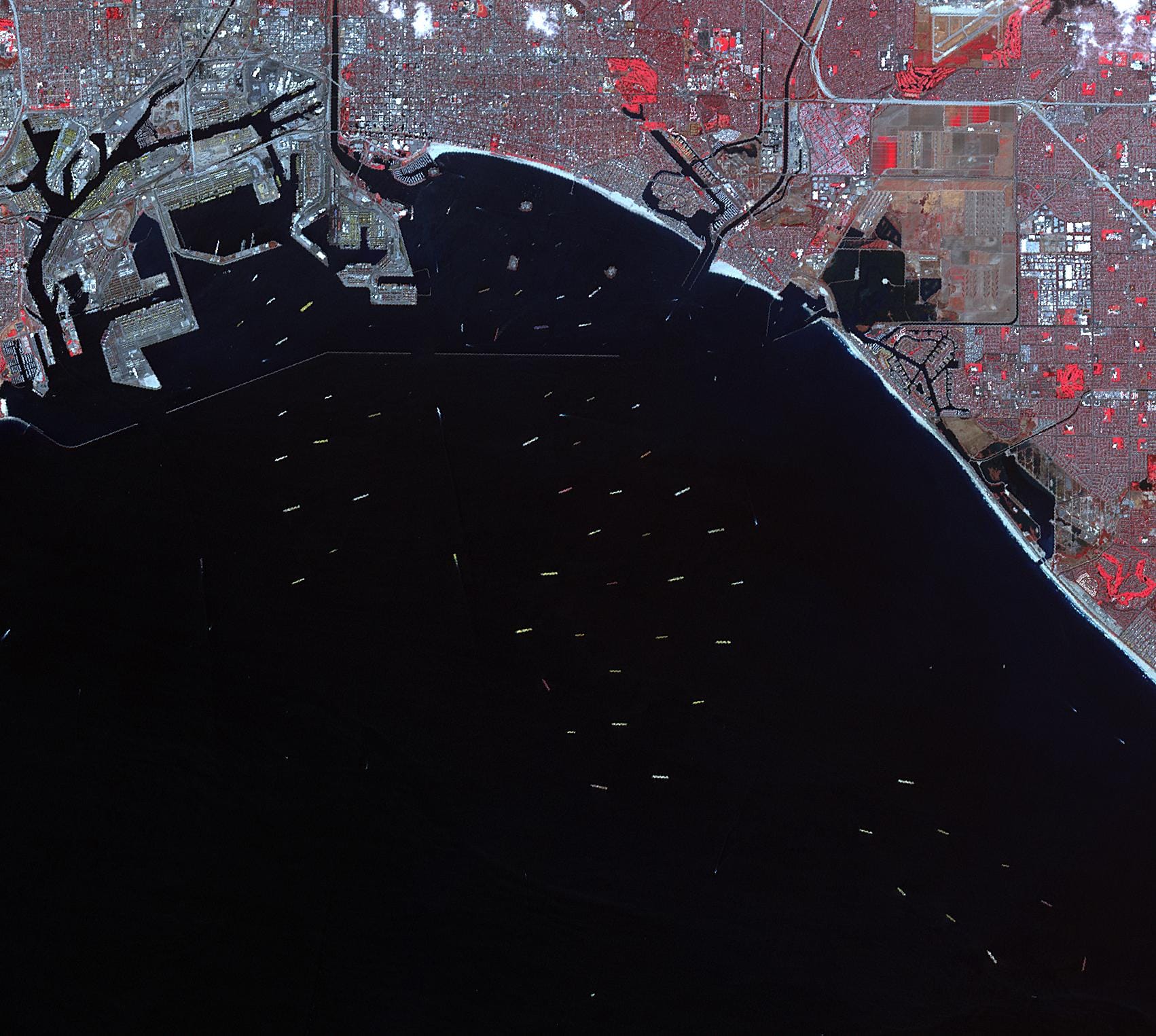
On Oct. 10, 2021, NASA's Advanced Spaceborne Thermal Emission and Reflection Radiometer (ASTER) instrument captured an image of over 70 ships waiting to dock and unload at the ports of Los Angeles and Long Beach, due to a supply-chain crunch. The image covers an area of 14 by 16 miles (23 by 25 kilometers).
ASTER, aboard the Terra satellite, views Earth's surface in visible, near-infrared, and thermal infrared wavelengths. Together with its high spatial resolution of about 50 to 300 feet (15 to 91 meters), the instrument maps and monitors the changing surface of our planet. It is one of five Earth-observing instruments launched Dec. 18, 1999, on Terra. The instrument was built by Japan's Ministry of Economy, Trade and Industry. A joint U.S./Japan science team is responsible for validation and calibration of the instrument and data products.
The broad spectral coverage and high spectral resolution of ASTER provides scientists in numerous disciplines with critical information for surface mapping and monitoring of dynamic conditions and temporal change. Example applications are monitoring glacial advances and retreats; monitoring potentially active volcanoes; identifying crop stress; determining cloud morphology and physical properties; wetlands evaluation; thermal pollution monitoring; coral reef degradation; surface temperature mapping of soils and geology; and measuring surface heat balance.

The U.S. science team is located at NASA's Jet Propulsion Laboratory in Southern California. The Terra mission is part of NASA's Science Mission Directorate, Washington. Caltech in Pasadena, California, manages JPL for NASA.
Representative image for context; not directly related to the specific event in this article. License: Public domain. Source: Wikimedia Commons.

Beyond Korea, the forecast matters for U.S. readers because South Korea is a major supplier of high-tech components and electronics, and weather-driven shifts in production, logistics, or shipping windows can influence global supply chains and markets. The current forecast does not point to extreme weather, but routine seasonal variability can still ripple through worldwide manufacturing and distribution networks.

The forecast comes from the Korea Meteorological Administration, the national weather service that monitors climate and weather patterns for major cities including Seoul and Busan. This weekend’s conditions are a reminder of how regional weather can intersect with global technology and trade flows.

Subscribe to Journal of Korea

Don’t miss out on the latest issues. Sign up now to get access to the library of members-only issues.
jamie@example.com
Subscribe