U.S., Israel discuss possible ground forces to seize Iran's enriched uranium, report says
The United States and Israel have reportedly discussed the possibility of deploying ground forces to forcibly seize Iran’s enriched uranium, a proposal described in Yonhap News Agency citing Axios, a U.S. political news outlet.
Iran’s central Isfahan nuclear facility is said to hold about 450 kilograms of 60% enriched uranium. That stockpile, if further enriched to weapons-grade, could be capable of producing enough material for roughly 10 nuclear weapons within weeks.
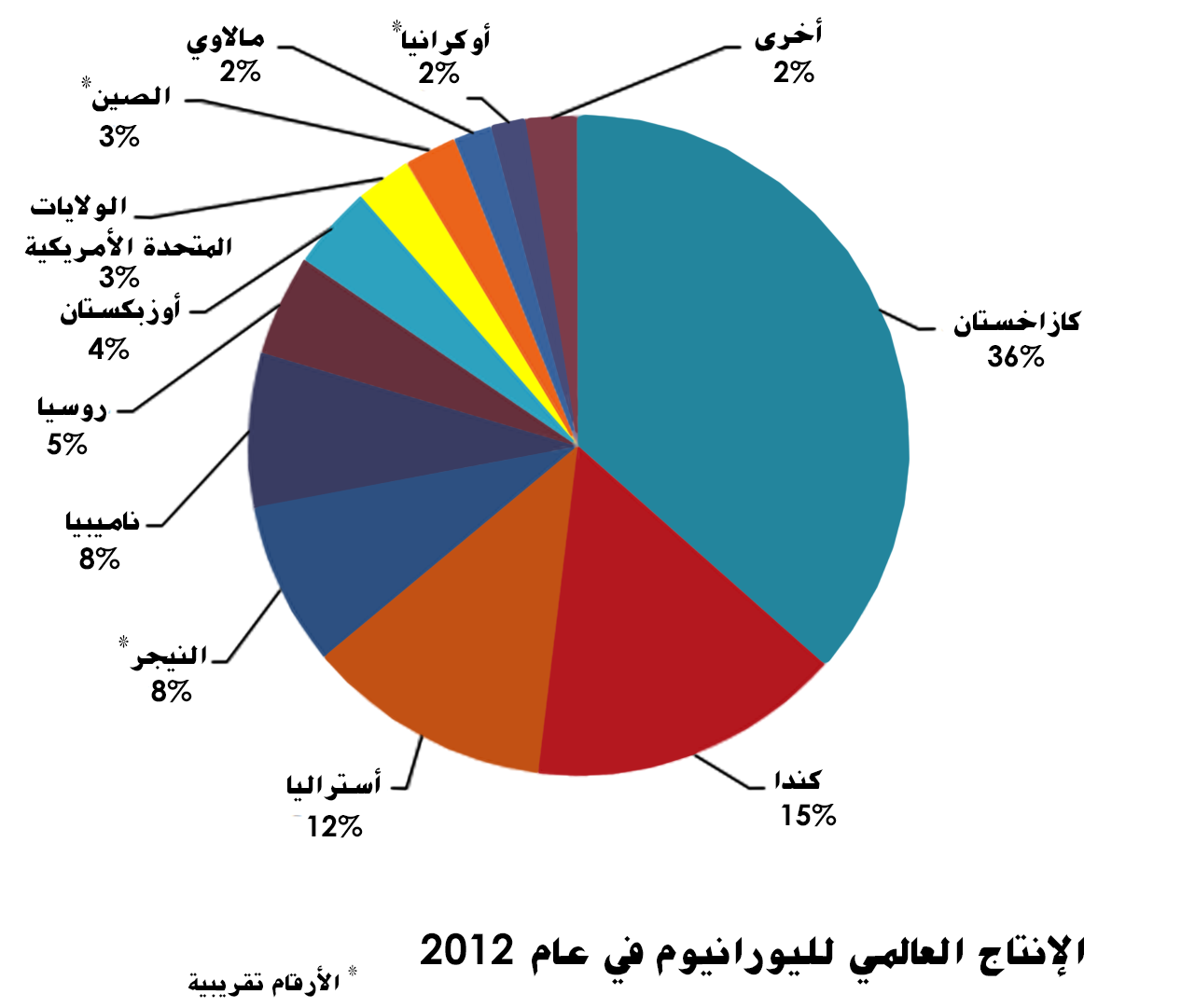
The report says Russian President Vladimir Putin proposed moving that uranium to Russia for storage or processing, a plan reportedly offered to former U.S. President Donald Trump, who declined. The timing of Trump’s rejection is not specified in the report.
Russia has pursued similar proposals for years and has positioned itself as a potential mediator in Iran’s nuclear talks. The country has the technical capacity to handle and safeguard enriched uranium and, under the 2015 Iran nuclear deal, previously received about 11,000 kilograms of low-enriched uranium from Iran.
Iran is said to have rejected this approach during negotiations before the current conflict, in February, instead proposing to scale back enrichment at its own facilities under IAEA monitoring.
The report notes that U.S. and Israeli discussions about ground troops to secure Iran’s enriched uranium occurred in the context of the war, with Secretary of Defense Pete Hegseth stating on March 13 that there are several options to secure the material, including one in which Iran voluntarily relinquishes it, though Iran showed no willingness to do so in prior talks.
Beyond Korea, the episodes lay bare ongoing concerns about nuclear nonproliferation, Middle East security, and the involvement of Russia as a potential mediator or logistical partner. For the United States, stakes include deterrence of a nuclear-armed Iran, alliance dynamics with Israel, and potential implications for global energy markets and security policy.