Korea to include colonoscopy in national colorectal cancer screening from 2028
Artificial intelligence-driven “Health Intelligence” (HQ) is shaping health information consumption in South Korea, but more information can also mislead. A National Cancer Center survey on cancer screening behavior found that the top reason people skip cancer screening is the belief that they are healthy, cited by 43.4 percent of respondents.
Among the six major cancers screened in Korea—stomach, liver, breast, cervical, lung, and colorectal—the rate of participation for colorectal cancer screening is the lowest, lingering in the 40 percent range. Health officials say this is troubling given the rising risk of colorectal cancer.
Dr. Hong Jong-sam of Gangneung Asan Medical Center’s Health Medicine Center emphasizes that HQ should not lead to complacency; rather, people should use risk prediction to prompt screening even when there are no symptoms.
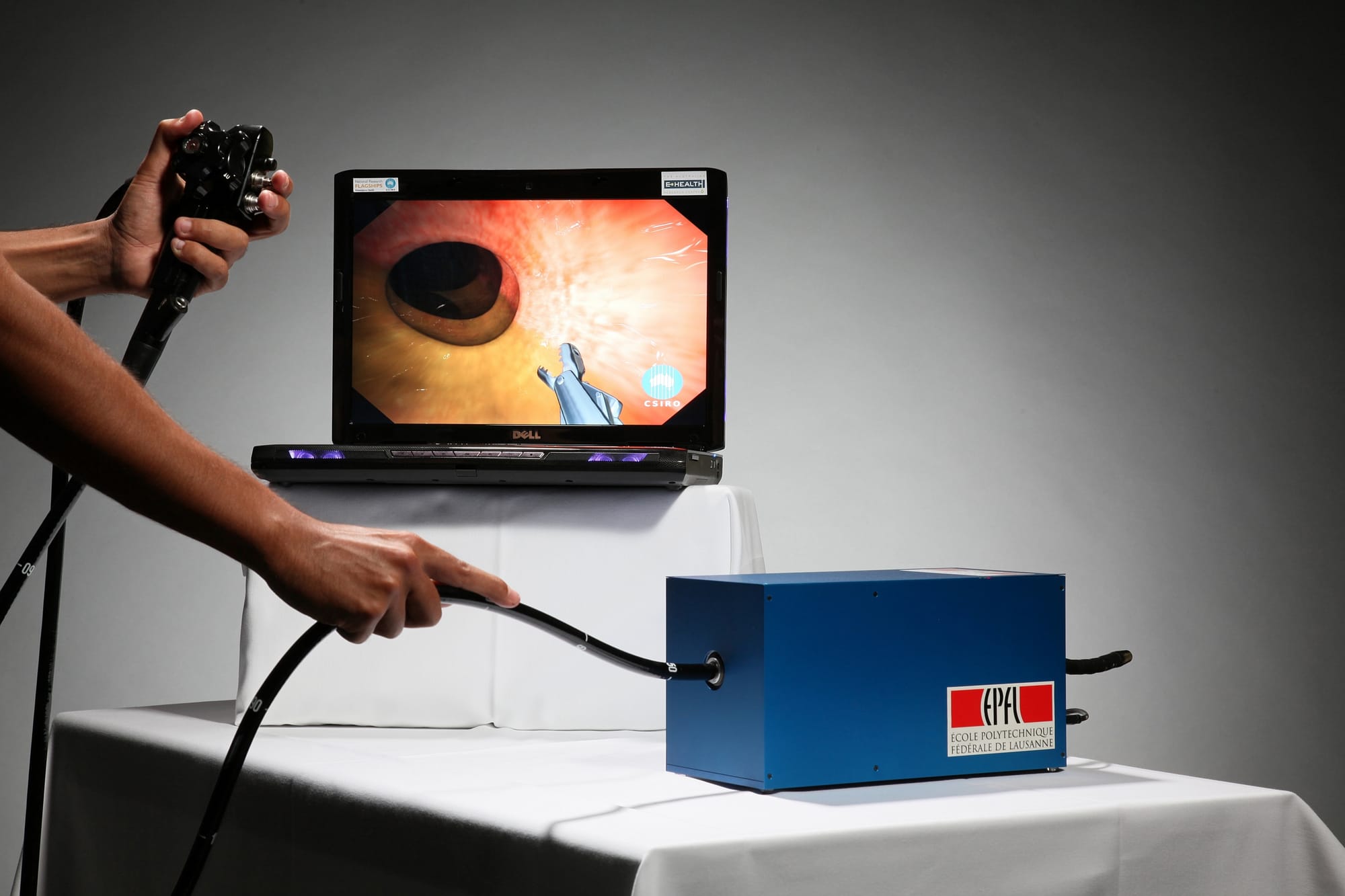
Colorectal cancer often presents few early warning signs. When symptoms do appear, they can include blood in stool, a sense of incomplete evacuation, changes in stool form, black stools, indigestion, fatigue, and abdominal pain. Right-sided tumors may cause abdominal pain and anemia or a detectable lump, while left-sided cancers more commonly cause constipation or bloody stool.
Korea’s national cancer screening currently targets adults aged 50 and older with an annual fecal occult blood test. However, this test only checks for hidden blood in stool, so regular colonoscopy is important for early detection and prevention. The government plans a broad reform of the national cancer screening program, with colonoscopy slated to be included in the national colorectal cancer screening starting in 2028.
Colonoscopy has the major advantage of enabling treatment during the same procedure. More than 95 percent of colorectal cancers originate from adenomatous polyps; detecting and removing these polyps via colonoscopy can reduce future cancer risk by up to 90 percent. When caught early, simple endoscopic procedures can often result in cure, and the five-year survival rate for stage I colorectal cancer exceeds 90 percent.
There is also a noticeable rise in younger colorectal cancer patients, which some doctors attribute to delays in seeking care. For those with risk factors such as family history, obesity, or smoking, experts advise proactive colonoscopy beginning at age 40 even if no symptoms are present. Dr. Hong notes that polyp size matters: polyps under 1 centimeter carry about a 1 percent future cancer risk, while those 2 centimeters or larger can exceed 40 percent, underscoring the value of precise screening and management over casual online information.
For U.S. readers, the Korea experience highlights broader issues in preventive care: the debate over noninvasive versus invasive screening, the potential public-health benefits of expanding colonoscopy-based screening, and the role of early intervention in reducing mortality and healthcare costs. If other countries adopt similar shifts toward combining screening with immediate treatment of polyps, it could influence policy discussions, medical-device markets, and preventive-care strategies across markets including the United States.