France, Italy in talks with Iran to secure Hormuz Strait passage
France and Italy have begun talks with Iran aimed at guaranteeing safe passage for ships through the Hormuz Strait, according to reports cited by the Financial Times. The discussions are described as provisional steps intended to prevent the dispute from widening and to help resume oil and gas exports.
Shipping firms have been hoping Western navies will continue to escort tankers through the strait as a safeguard against disruptions. Officials said France is among the countries participating in the discussions, and another official noted Italy has also sought talks with Tehran. There is no guarantee of progress, and no assurance Iran is willing to engage.
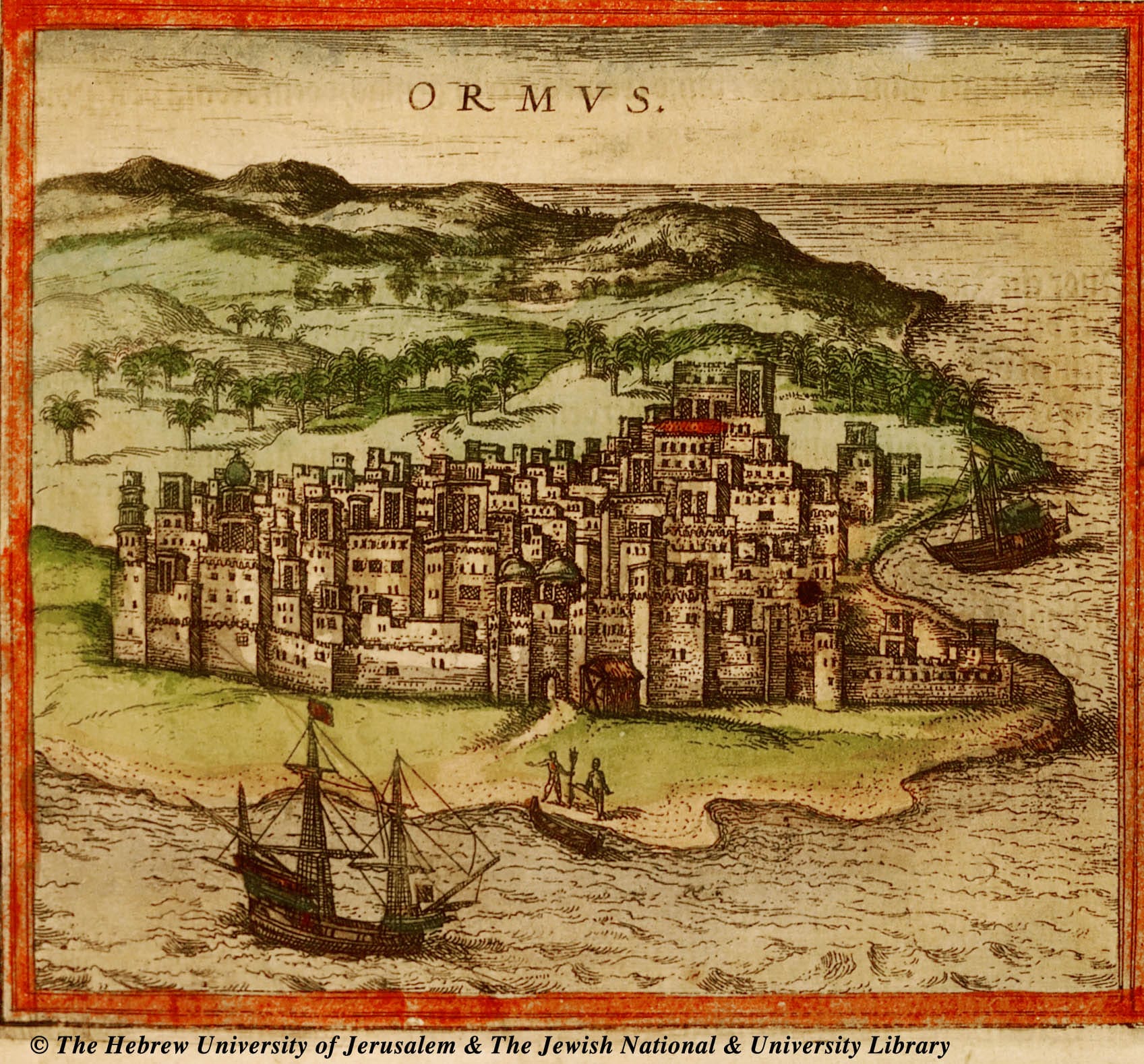
Iran has threatened a strong response and has signaled it could use measures such as blocking the Hormuz Strait to pressure an end to the conflict or to retaliate against the United States. In parallel, international oil markets reacted, with prices rising above $100 per barrel for the first time in about three years and seven months.
European governments have sought to avoid direct involvement in the clash, but they fear a prolonged blockage of Hormuz could raise energy costs and constrain their economies. Some officials have voiced opposition to the talks, while others argue that engaging Iran is necessary to avert broader disruption.
British officials say they are not directly negotiating with Iran over Hormuz transit. During a visit to Saudi Arabia, the British foreign secretary was reported to be discussing with Gulf oil producers the sustainability of oil supplies.
For the United States, the developments carry notable implications. Hormuz is a critical chokepoint for global energy flows, and instability there can influence energy prices, inflation, and security calculations among allies. A potential increase in shipping disruption could shape U.S. energy policy, defense budgeting, and the broader set of alliances coordinating maritime security in the Gulf region.
Context for international readers: the Hormuz Strait links the Persian Gulf with the Gulf of Oman and the Arabian Sea, serving as a key corridor for oil and gas shipments from Gulf producers. Western navies have long prioritized escort duties in the area to deter disruptions, while Western and allied governments weigh the risks of direct involvement versus diplomacy to secure open sea lanes.