Pentagon briefing says Iran's new supreme leader Mojtaba Hamenei was wounded
During a briefing at the Pentagon, Pete Hegseth, identified in the report as the former U.S. defense secretary, said Iran’s newly chosen supreme leader Mojtaba Hamenei had been wounded and may be disfigured. The claim marks the first time a high-ranking U.S. official publicly discussed the leader’s condition.
The briefing was held jointly with the chairman of the U.S. Joint Chiefs of Staff. Hegseth asserted that the newly elevated figure “cannot even be called ‘supreme’” and noted that Hamenei had issued a statement the day before that was weak, lacking voice or video, and consisted only of a written statement.
Hegseth questioned why Iran would issue a written statement when the country has numerous cameras and audio-recording capabilities, prompting him to frame Hamenei as frightened, injured, on the run, and lacking legitimacy.
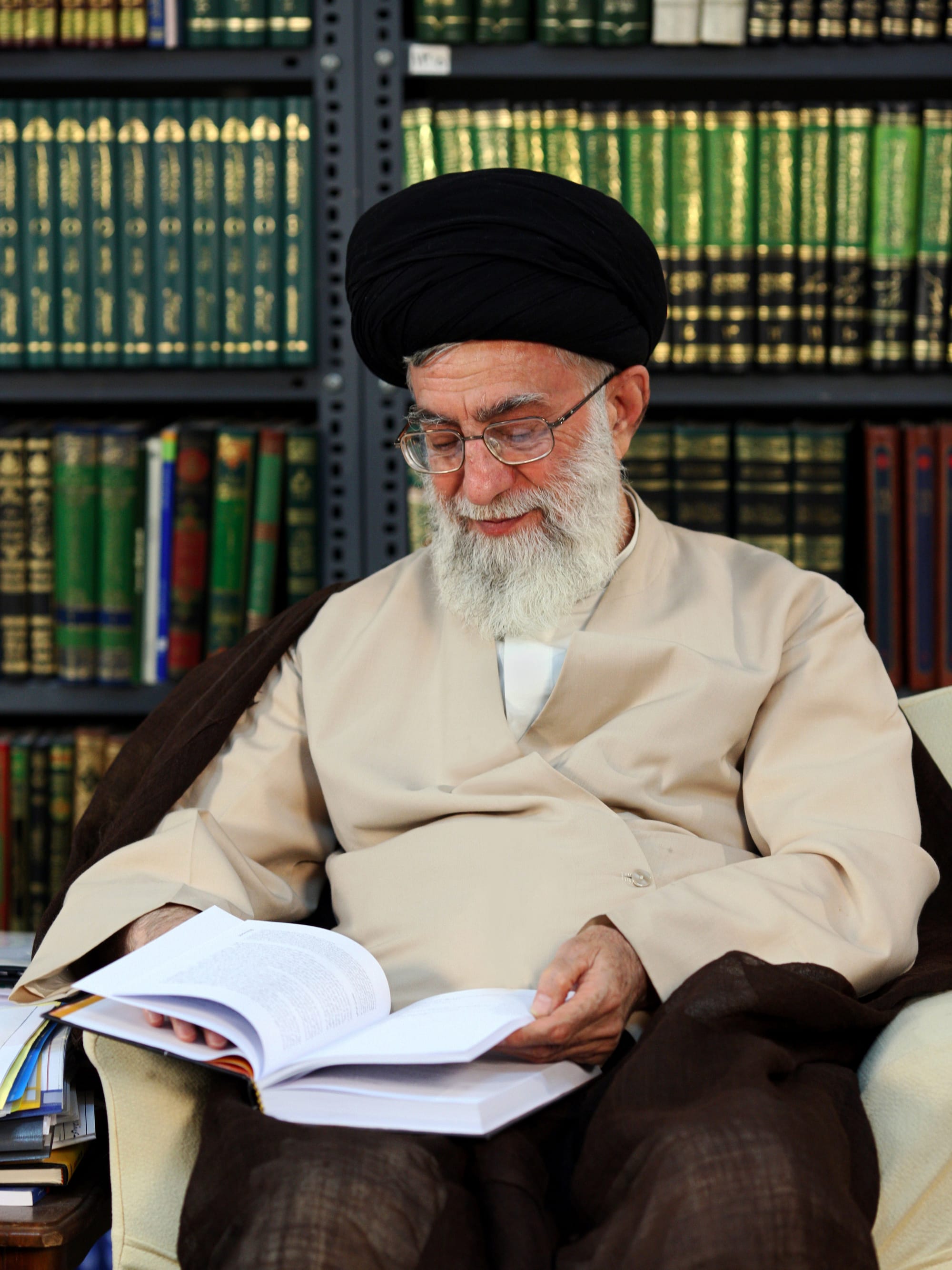
According to the report, Mojtaba Hamenei was elected as successor to the late supreme leader on May 8 after the elder Hamenei’s death, which the article says occurred during airstrikes by the United States and Israel on May 28. The younger Hamenei had not appeared publicly since then.
The New York Times cited unnamed Israeli military officials who said Hamenei had sustained leg injuries in the strikes. Three Iranian government officials told the Times that he remained conscious and had been moved to a highly secure facility where communications are restricted.
On May 12, Hamenei appeared in a first official message broadcast by Iran’s state television. Rather than appearing in person, the message was read by a state TV anchor and repeated calls to continue sealing the Hormuz Strait and to pursue retaliation for what Iran characterized as martyrdom.
Hamenei’s message warned that the group would “not shy away from retaliation,” targeting American and Israeli assets in the region. The broadcast did not feature the leader’s live appearance, with the government instead delivering the message through the state media apparatus.
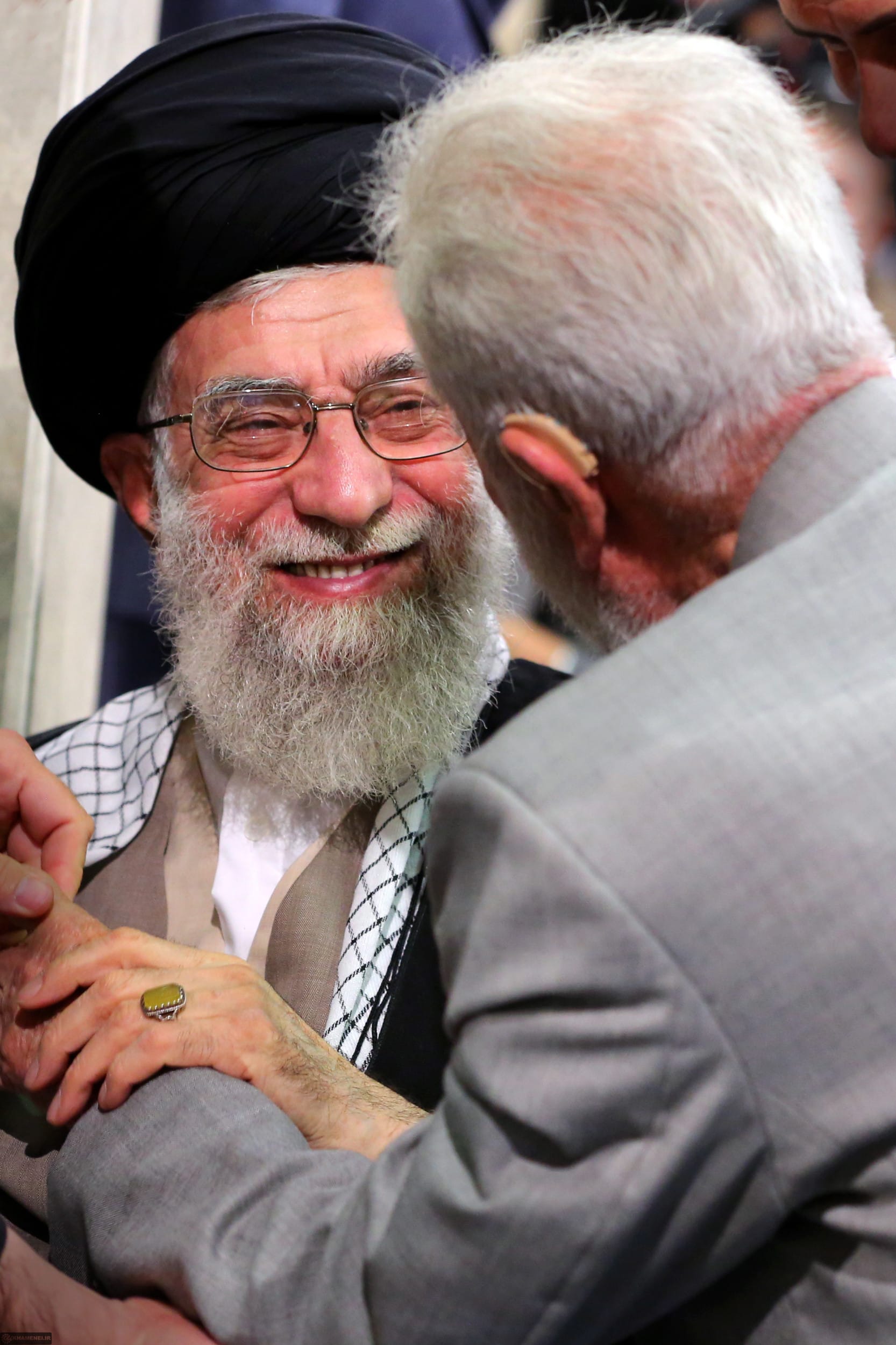
For U.S. readers, the episode matters because it touches on Iran’s leadership succession, the stability of a regime that has long been a flashpoint in the Middle East, and the security of the Hormuz Strait. The strait, a critical chokepoint for global oil shipments, sits at the heart of volatile energy markets and U.S. security and economic interests in the region.
Context matters: Iran’s leadership structure grants ultimate political and religious authority to the supreme leader, with power exercised separately from the president and other branches. Reports of a wounded heir apparent and a high-stakes confrontation with the United States and Israel could influence Tehran’s foreign policy and risk appetite, affecting diplomacy, sanctions, and regional security calculations.
The story relies on a Pentagon briefing and multiple reporting lines, including anonymous Iranian officials cited by the New York Times. Washington has not independently verified all aspects of the claims, and the situation remains dynamic and uncertain.