Saudi NEOM scales back The Line as Hyundai E&C tunnel contract canceled
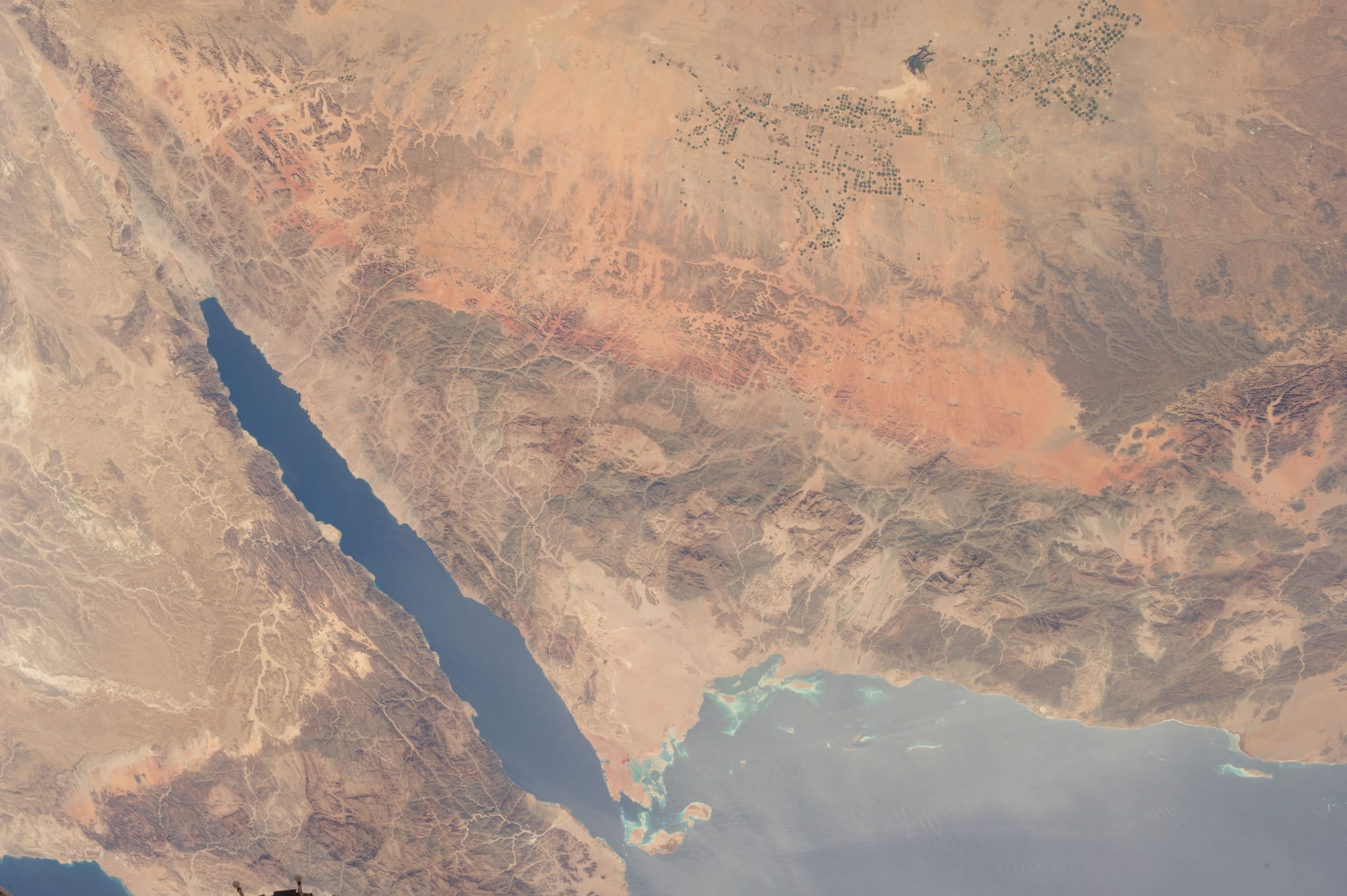
A massive crane and a line of dump trucks dominate the sandy desert as work slows on a flagship Saudi project. The NEOM megacity’s The Line, billed as a cornerstone of Saudi ambitions to diversify its economy away from oil, is facing a renewed focus on cost and schedule as parts of the plan are scaled back.
Hyundai Engineering & Construction said on May 13 that a tunnel contract awarded in June 2022 by NEOM Company has been terminated, noting a formal notice from the client citing a restructuring of the project. The terminations come as NEOM officials reassess the timeline and scope of the broader development.
The canceled contract covered a 12.5-kilometer tunnel beneath The Line, a linear city concept meant to run through the NEOM area along a major transport axis that would connect highways, a metro, and freight rail. The work was part of a consortium that included Samsung C&T and the Greek firm Archirodon. The overall project was valued at about $1 billion, with Hyundai E&C's share estimated at roughly 723 billion won.
![Hochtief reps signing contract for Khamis Mushayt [Saudi Arabia Mobility Program (SAMP) project]. [Col. Cameron on far right].](https://journalkor.site/content/images/2026/03/01_541_Cameron_reviewing_contract_documents_-_USACE-p15141coll5-15675.jpg)
Originally, the tunneling work was slated for completion by December of next year, but Saudi authorities have signaled a slower tempo and a reexamination of NEOM’s overall plan. External reports have suggested that the early development segment of The Line, planned to stretch about 170 kilometers, could be significantly reduced as part of the restructuring.
The NEOM announcements and the related contract changes highlight a broader risk: while the project has been a symbol of Middle East opportunities for Korean and other foreign builders, policy shifts and cost controls in Saudi Arabia can alter the outlook for overseas megaprojects. The dynamic has underscored the volatility that can accompany oil-rich nations’ ambitious diversification programs.
Industry observers note that the contract termination may not be limited to a single deal. A senior executive at a large Korean construction firm warned that as Saudi funding and project priorities are adjusted, other infrastructure programs involving Korean firms could face delays or reassessments as well.
Hyundai E&C said that settlements for costs already incurred have been finalized and that no financial losses have been recorded to date, though detailed settlement terms remain confidential. The company, along with its partners, had expected to complete the tunnel segment within the larger The Line project framework.
For U.S. readers, the development matters beyond Korea because NEOM represents a high-profile test case for Saudi Arabia’s Vision 2030 initiative and the use of sovereign wealth funding to drive global infrastructure, technology, and urban design ambitions. How Saudi Arabia reshapes project funding, procurement rules, and risk management can influence international contractors, supply chains, and regional energy and security dynamics, with potential ripple effects on European and American businesses tied to Middle Eastern megaprojects.