U.S. Deploys USS Tripoli, Marines From Japan to Middle East Amid Iran Tensions
As President Donald Trump warned of a strong attack on Iran next week, the United States appears to be moving forces from Japan toward the Middle East, including a Navy amphibious assault ship and its attached Marine Expeditionary Unit, according to U.S. media reports.
The Wall Street Journal said the USS Tripoli, an amphibious assault ship, and its Marines are among up to three ships heading from the Indo-Pacific to the Middle East, carrying roughly 2,500 Marines. The move reflects a broader shift of forces toward the region amid rising tensions with Iran.

The New York Times likewise noted that the deployment could integrate with about 50,000 U.S. troops already stationed in the Middle East, with the incoming Marines bringing the total closer to that figure. The reporting ties the move to the administration’s stated posture toward Iran.
Central Command, which oversees U.S. military operations in the Middle East, reportedly requested additional reinforcements to broaden the options available for potential operations against Iran. The exact scale of the reinforcement has not been publicly confirmed by U.S. officials.
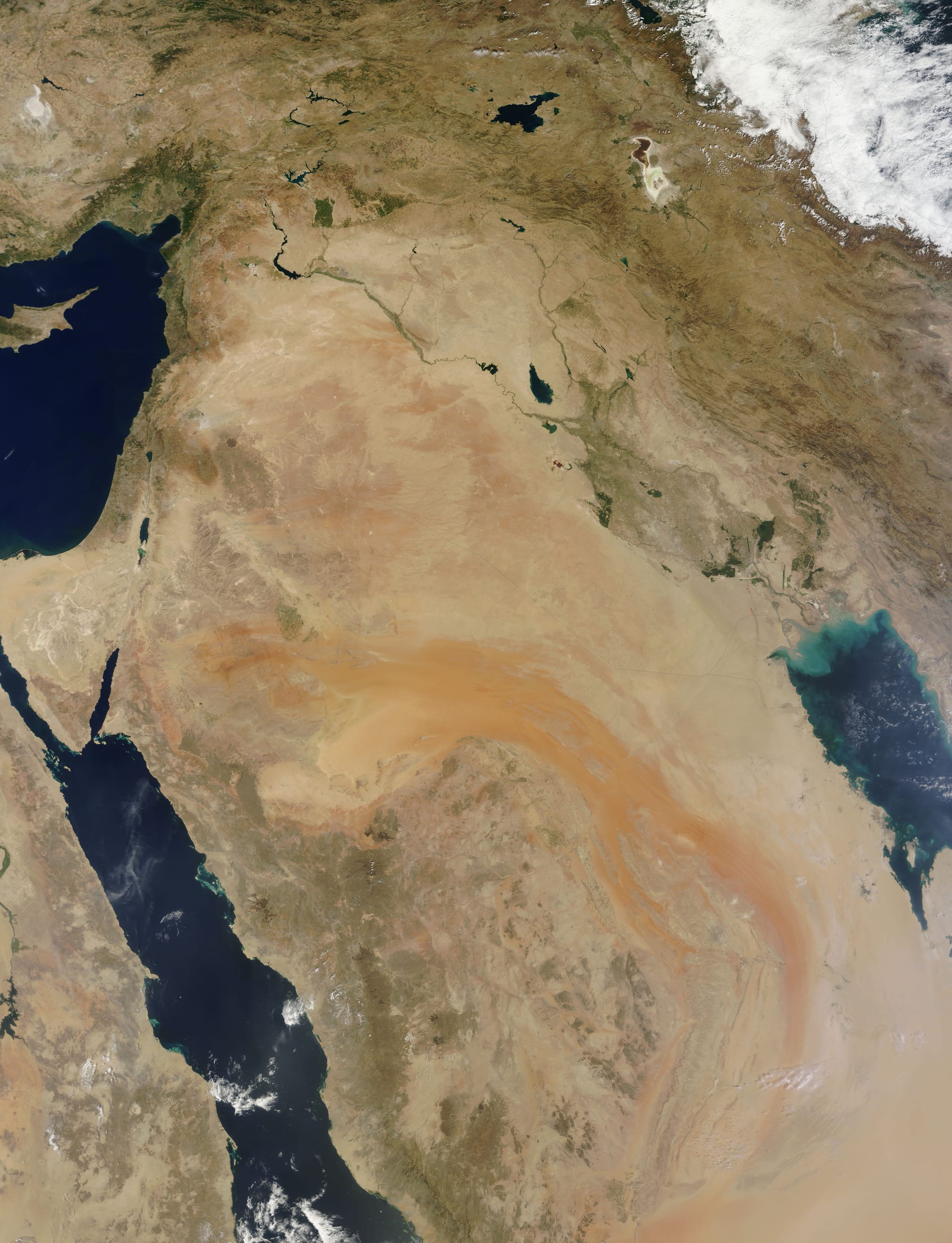
Analysts say the timing will influence the regional dynamics around the Strait of Hormuz, a strategic chokepoint through which a large share of Gulf oil shipments pass. Even small changes in force posture can affect deterrence and the risk calculus of various regional actors.
For U.S. readers, the development matters because it touches energy security, global markets, and supply chains that depend on steady shipments through the Gulf. It also signals ongoing coordination with American allies in the region and considerations within the U.S. security posture vis-à-vis Iran and its supporters.
Context for non-Korean readers: the USS Tripoli is a U.S. Navy amphibious assault ship, and a Marine Expeditionary Unit is a self-contained force designed for rapid deployment and forward presence. CENTCOM is the U.S. Central Command, responsible for U.S. military activity in the Middle East and parts of South and Central Asia.