New York City weighs $30 minimum wage bill, would top U.S. rates
New York City is weighing a bill that would raise the city’s minimum wage from $17 per hour to $30 per hour, a move that, if enacted, would create the highest minimum wage in the United States. The proposal was submitted to the City Council by Councilmember Sandra Nurs, according to reports from AP and the Wall Street Journal.
If approved, the higher wage would outpace current top rates in other U.S. locations, including Seattle at $21.30, Denver at $19.29, and Flagstaff, Arizona at $18.35 per hour. Nurs argues that the current minimum wage is insufficient to cover basic living costs in New York City, saying that maintaining a minimal standard of living would require about $38 per hour.
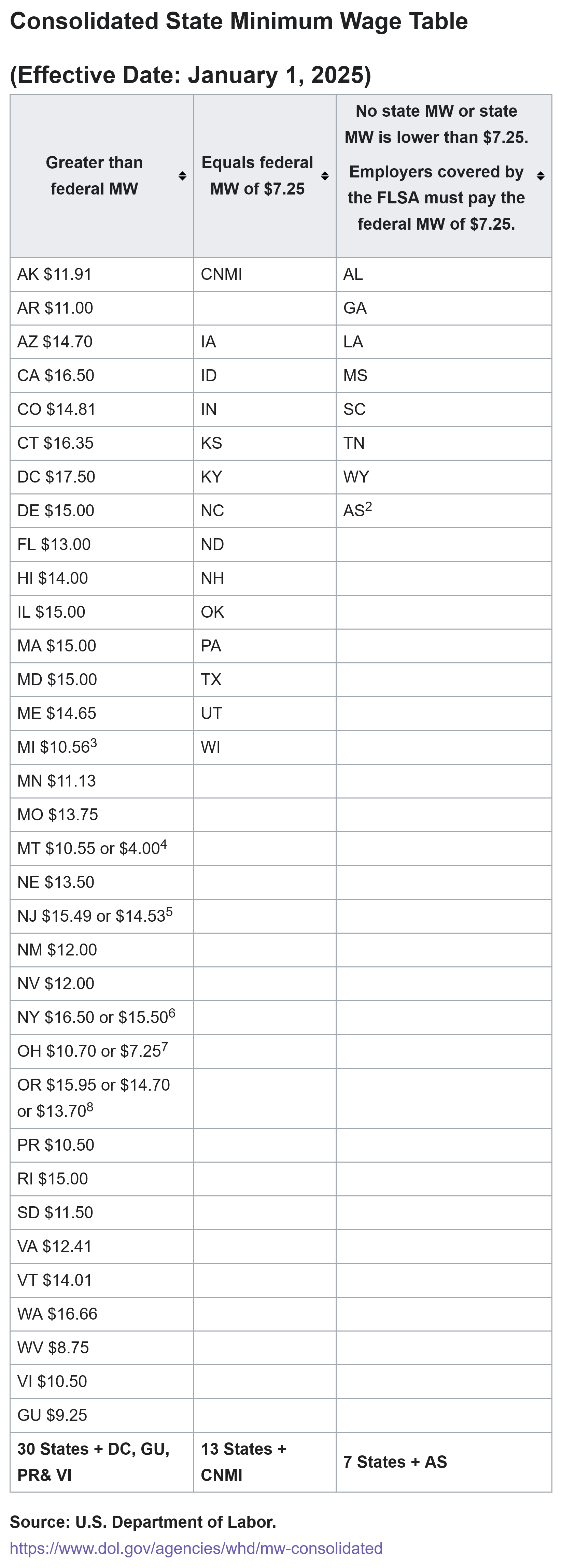
Independent researchers echo the concern that the city’s current wage floor falls short for many workers. A study by the Economic Policy Institute estimated that a single person in the New York metropolitan area would need about $83,262 annually to cover housing, food, and transportation.
Business groups counter that a near-doubling of the minimum wage would impose a heavy cost on employers, particularly small firms. New York City is home to roughly 2.4 million small businesses, and private-sector employment accounts for more than half of all jobs. Advocates for small businesses warn that a sharp rise in wages could advantage large franchises and entrenched firms, potentially reducing competition and consumer choice.
Economists are divided on the likely consequences. The Heritage Foundation, a conservative research group, argued that such a wage hike would create a substantial payroll burden that could push low-skilled workers out of the labor market. If costs rise, proponents say, firms may raise prices, placing the burden on low-income consumers.
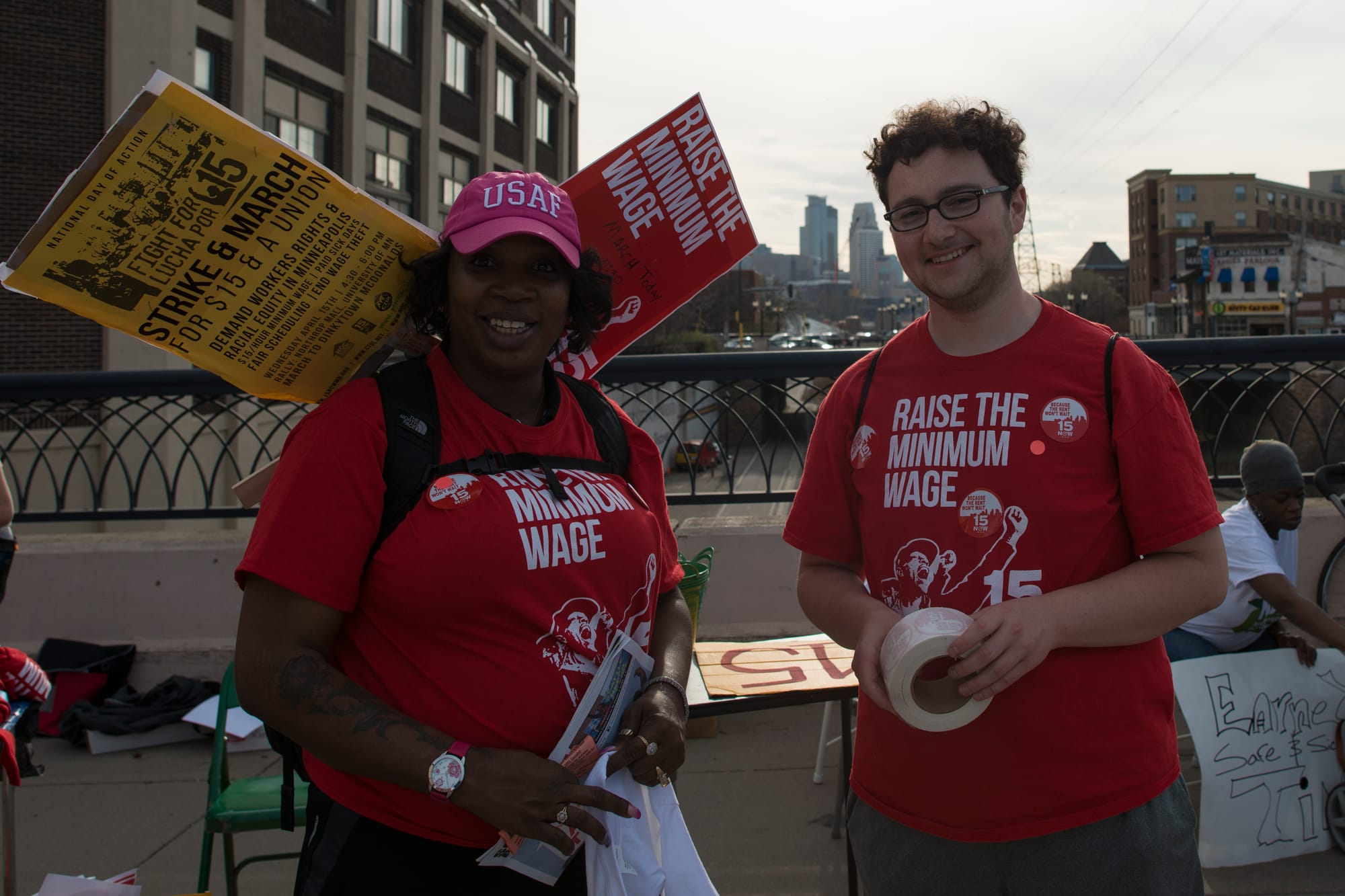
Reports also indicate preparations for legal action. Local media cited expectations that small-business associations and large corporate interest groups could pursue broad injunctions to halt or delay the measure if passed.
Why this matters beyond New York: A move to $30 per hour would set a benchmark for urban wage policy in the United States. If enacted, it could influence wage discussions in other cities and states, affect labor costs for major sectors such as hospitality, food service, and retail, and contribute to price dynamics that shape consumer inflation. For U.S. policymakers and investors, the proposal highlights how wage standards interact with small-business ecosystems, urban cost of living, and supply-chain costs in one of the country’s largest and most economically influential metropolitan areas.