South Korea's President Floats Chungcheong Region Merger to Boost Competitiveness
South Korea’s President Lee Jae-myung used a town-hall event in Cheongju, in North Chungcheong Province, to outline regional-competition ideas that could reshape the country’s administrative map. Speaking at OSCO, he floated the possibility of formally integrating Chungcheongnam-do (South Chungcheong), Chungcheongbuk-do (North Chungcheong) and Daejeon into one large economic and administrative region, arguing a broader metropolitan approach might boost regional competitiveness. Chungcheongbuk-do has been notably sidelined in discussions of Chungcheong regional consolidation.
Introducing himself as “Chungbuk’s son-in-law,” the president said the move by Chungnam and Daejeon to merge had happened in ways that required careful contemplation. He asked whether Chungbuk would remain independent or chart its own path, emphasizing that while personal life is important, future generations must have opportunities and be positioned to compete globally. He urged serious consideration of how the region could evolve to attract and sustain investment and talent.
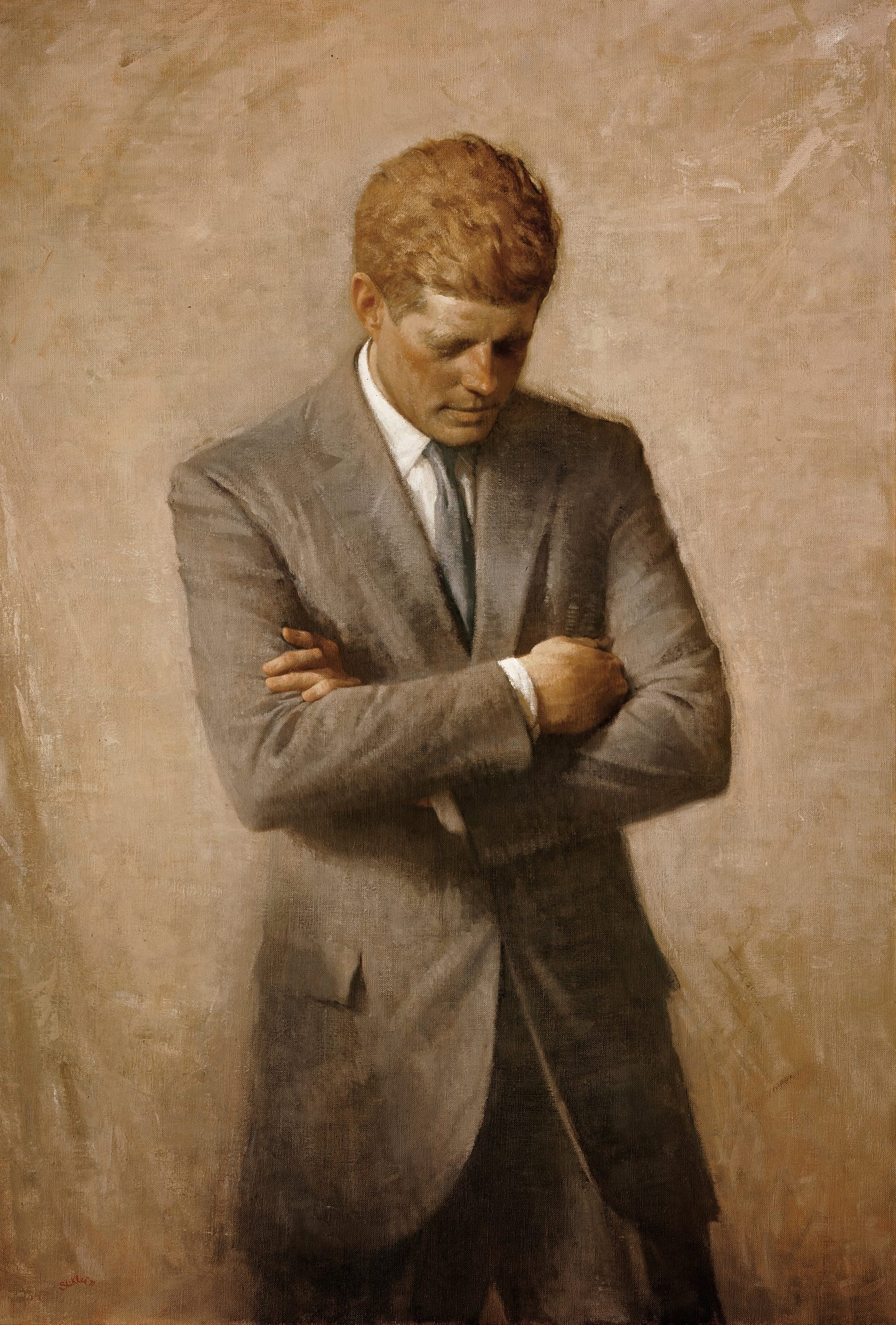
On governance reform, the president spoke about relocating public institutions to hub regions as a central part of policy, saying that without tangible changes citizens will feel the gap. He argued that a regional center should generate energy and growth that radiates outward, and that the relocation of public agencies should follow this logic. He cited former president Park Chung-hee’s era of concentrated industrial policy as a lesson for a “one-place, all-in” approach.
Earlier in the day, the president visited the public charter school for developmentally disabled students, Cheongju I-Eun School, and held a roundtable with school officials and parents. His aide noted that he acknowledged the heavy burden carried by the families and urged special-education teachers to carry out their mission with unwavering care and compassion. Afterward, he toured a traditional market in Cheongju to encourage merchants, accompanied by ministers and presidential aides at lunch.
In a separate post on X (formerly Twitter) the president urged vigilance against price gouging as Korea’s oil-price cap regime took effect at midnight. He asked the public to report any gas stations that exploit customers and shared a map showing petrol prices in Siheung, Gyeonggi Province, signaling skepticism about price stability. The government set ceiling prices for petroleum products: regular gasoline at 1,724 won per liter, diesel at 1,713 won, and kerosene at 1,320 won.
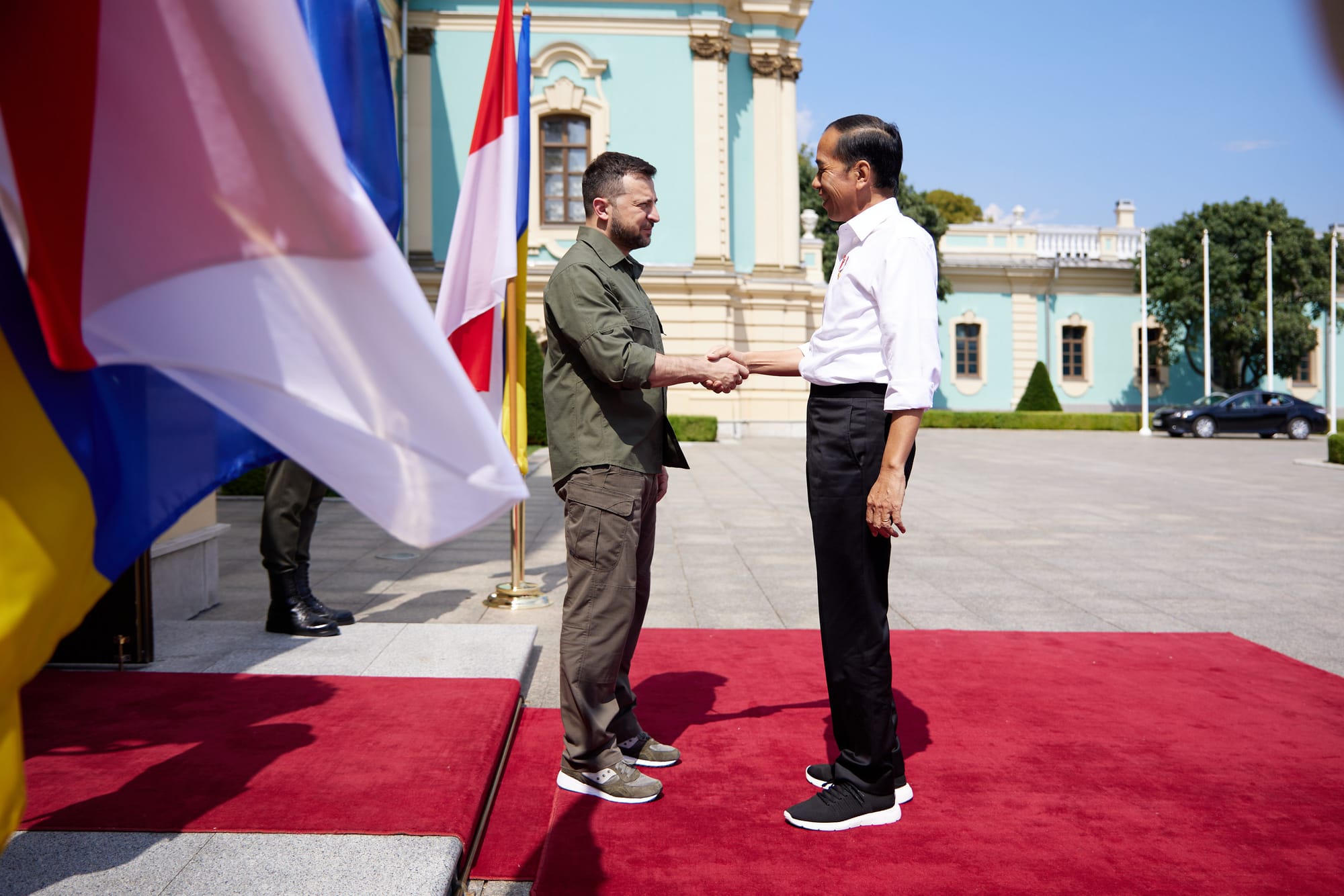
Public mood around the president remains favorable. A Gallup Korea poll conducted June 10-12 of 1,002 nationwide adults found the president’s job-approval rating at 66%, the highest since his inauguration. Positive views topped negative in all regions except Daegu and some nearby areas. Respondents cited economy and livelihoods as the most important reason for support (about 20%), followed by diplomacy (10%) and overall performance, including real estate policy and communication (about 8%). Those who disapproved pointed to economy and livelihoods and exchange rates (roughly 16%), with foreign policy or perceptions of authoritarianism and overall mismanagement also cited.
Why this matters beyond Korea: regional integration plans, if pursued, could reshape Korea’s manufacturing clusters, logistics networks, and supply chains that connect to global markets, including the United States. A shift to hub-region capitalization and the relocation of public institutions may influence where foreign investors choose to locate operations and how Korea coordinates regional growth with national security and resilience priorities. Energy policy, including the oil price-cap scheme and monitoring for pricing abuse, affects domestic inflation, consumer behavior, and abroad-facing energy markets that tie into global supply chains. The president’s rising approval could also affect policy steadiness as Washington assesses bilateral economic and security cooperation.