South Korea's Glaucoma Surge: 70% Normal Tension Cases
South Korea is seeing more glaucoma patients each year, with 1,223,254 people treated for the condition in 2024, according to the Health Insurance Review and Assessment Service (HIRA). The total has risen steadily since 2020, and while the largest share of patients remains in their 60s and older, the number of younger adults diagnosed has also grown. Among those aged 20 to 30, the count increased from 104,348 to 118,106, roughly a 13 percent rise.
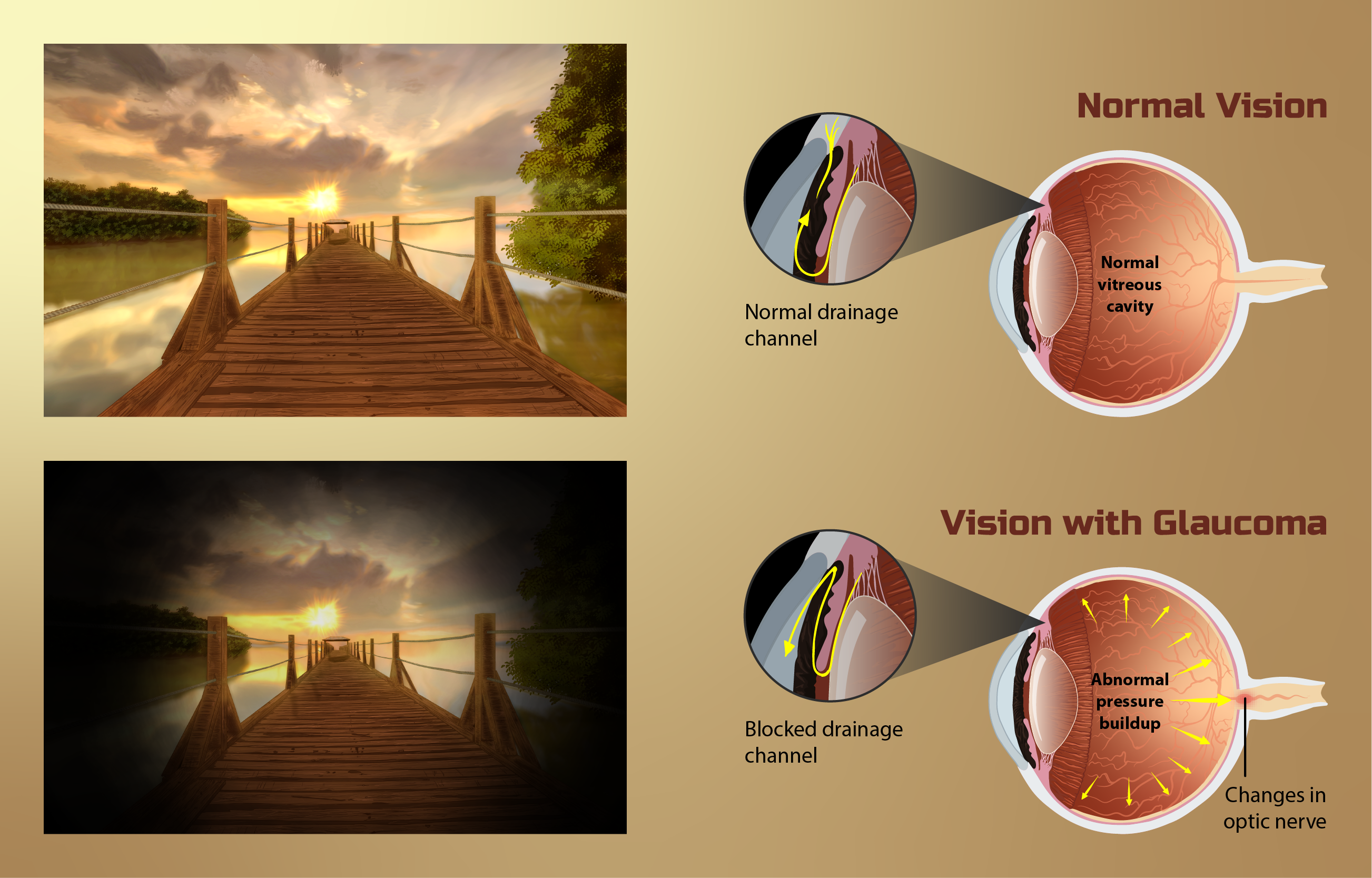
Glaucoma gradually damages the optic nerve, narrowing the visual field over time. Once the nerve is damaged, it cannot be restored, and in many cases patients do not notice vision loss until it is advanced. More than 30 percent of the optic nerve often must be affected before visual field defects are detected. Because early stages typically cause little or no pain, regular screening is crucial.
Experts say early detection and prompt treatment are the most reliable ways to protect vision. In Korea, screening is particularly emphasized for people aged 40 and older, those with high myopia, or a family history of glaucoma, even if there are no symptoms. Individuals who use steroids long-term or who have diabetes or hypertension are considered higher risk and require closer monitoring.
A notable point in the Korean data is that about 70 percent of glaucoma patients have normal tension glaucoma, a form in which intraocular pressure remains within the normal range even as the optic nerve sustains damage. This underscores that a normal eye pressure reading does not guarantee safety, and ongoing surveillance of the optic nerve is necessary.
After diagnosis, ongoing management matters most. Patients are advised to continue prescribed eye drops and to attend regular follow-ups, which can slow disease progression and help prevent blindness. A specialist at Kim Eye Hospital’s Glaucoma Center emphasized that early detection and steady treatment to stabilize eye pressure can preserve substantial vision, even in the absence of symptoms.
For U.S. readers, the Korean experience matters because glaucoma is a leading cause of irreversible blindness worldwide, and the condition places a long-term burden on health systems and patients. The data highlight the importance of accessible regular eye examinations, adherence to daily therapies, and ongoing monitoring as populations age. They also point to the need for clear patient education about normal tension glaucoma, which can occur even when eye pressure appears normal.
Context for non-Korean readers: HIRA is Korea’s national agency that reviews and manages health insurance claims under the country’s universal health coverage. The numbers reflect nationwide diagnoses and treatments, not a single hospital, and they come amid broader efforts to expand health screenings and leverage newer diagnostic technologies.