Missiles fired toward Iran near Bahrain; US-made HIMARS launcher spotted
New York Times reports that in Bahrain, near a northern residential area, two missiles were fired toward Iran, with a video of the incident circulating on social media. The Times, after reviewing the footage, said the two missiles were launched into the air, and that the second launcher appeared to be a U.S.-made M142 High Mobility Artillery Rocket System, or HIMARS. Bahrain said its forces did not participate in any offensive operation, while the U.S. Defense Department declined to comment.
Experts cited by the Times identified the mobile launcher as HIMARS, a high-precision, long-range system that the United States has highlighted as a key asset in potential strikes against Iranian targets. The analysis notes that HIMARS is a cornerstone of U.S. plans to deter or respond to Iranian threats in the region.
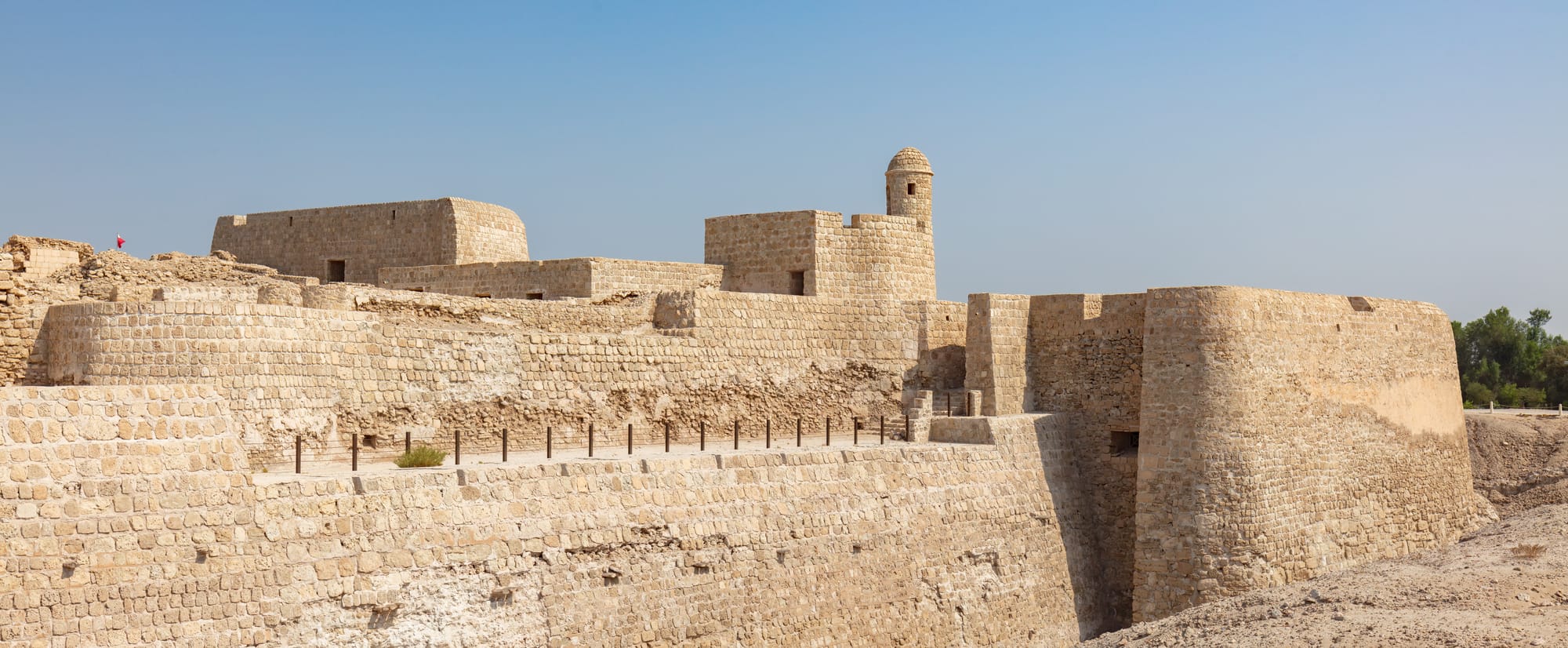
Who conducted the launches remains unclear. The Bahraini government told the Times that Bahraini forces did not participate in any attack, but it did not directly address whether U.S. forces in Bahrain were involved. The Pentagon likewise offered no public confirmation or denial when queried.
Beyond this incident, Bahrain says Iran has fired roughly 100 missiles and 191 drones at Bahrain since the current conflict began. The majority were intercepted, but some strikes damaged infrastructure, including a refinery, a hotel, and a desalination plant. A 29-year-old Bahraini woman was killed in an Iranian attack on the capital, Manama, on Oct. 10.
Gulf security dynamics have long been cautious about hosting foreign military operations. Bahrain hosts the U.S. Fifth Fleet in Manama, and ties with Washington have grown closer in recent years, including closer cooperation with Israel. Analysts say the apparent use of U.S.-made weapons from Bahrain signals both a shift in regional postures and a message to Tehran.
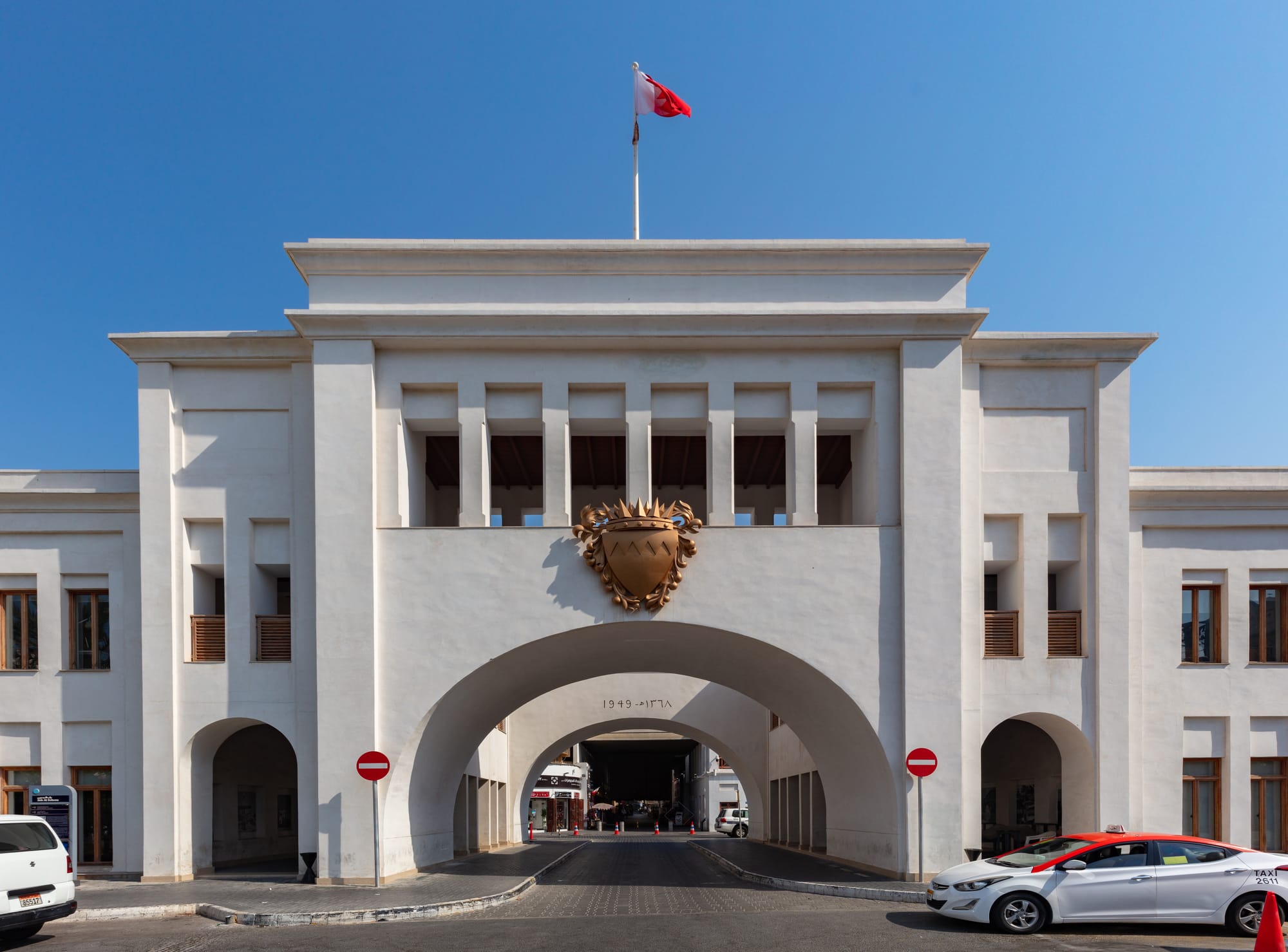
Experts describe the incident as a potential warning to Iran and a demonstration that U.S. regional assets in the Gulf can be put into motion quickly. If such actions become more common, they could widen the conflict across the Middle East and affect the security of critical sea lanes, including the Strait of Hormuz, through which a large share of the world’s oil passes.
For U.S. readers, the episode matters because the Persian Gulf remains a linchpin of global energy markets and defense posture. A broader regional escalation could influence oil prices, supply chains, and the readiness of American forces stationed in or through the Gulf, with implications for U.S. defense budgets, alliance cohesion, and energy security policy.