U.S. Deploys USS Tripoli, Marines to Middle East to Deter Iran
The Wall Street Journal reported on the 13th that the United States is moving to reinforce its forces in the Middle East by dispatching the amphibious assault ship USS Tripoli and a Marine Expeditionary Unit that is based in Japan to the region, in response to tensions with Iran. The report cited multiple U.S. officials. The Axios online outlet carried a similar account, corroborating the deployment plan.
The Journal described the Marine Expeditionary Unit as typically composed of several ships and about 5,000 Marines and sailors, noting that Marine forces already in the region were participating in operations related to Iran. Axios added that the plan entails thousands of Marines, multiple warships and F-35 fighters arriving in the Middle East.
Officials cited by Axios said the move would expand the options available to U.S. Central Command for potential Iran-related operations. The Central Command oversees U.S. military operations in the Middle East and parts of South Asia.
The Marine Expeditionary Unit could conduct ground operations if ordered, but officials did not specify whether such missions would occur. The deployment would principally aim to deter further Iranian activities and bolster crisis-response capabilities in a volatile region.
The resupply comes as the Hormuz Strait remains a critical chokepoint for global energy flows, helping to push up international oil prices and heighten U.S. security concerns about shipping through the Gulf. The broader strategic context is a focus for policymakers in Washington and allied capitals.
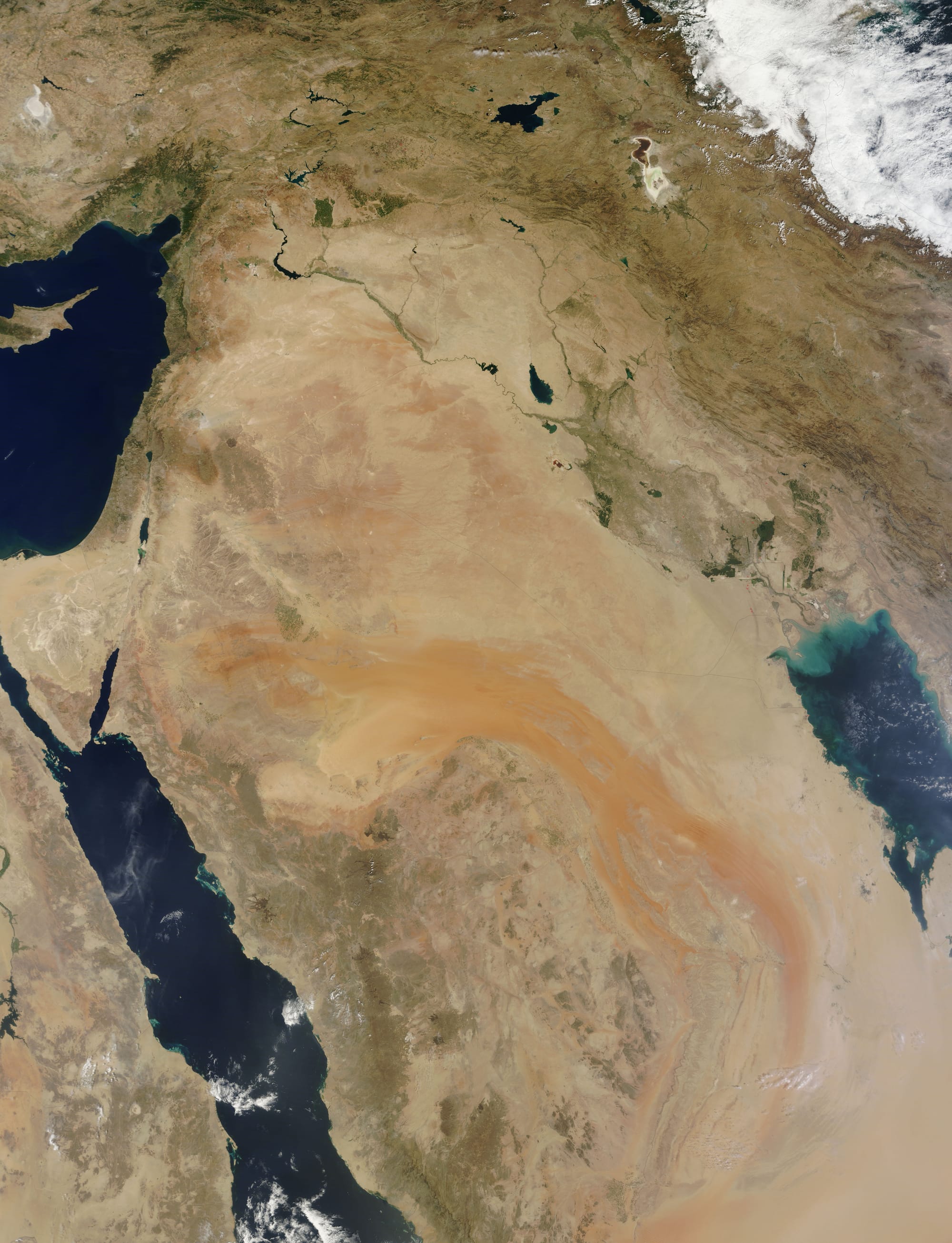
President Donald Trump has said the United States would consider escorting ships through the Hormuz Strait if needed, while a U.S. Treasury official told Sky News that disruptions in Gulf shipping could cost about $11 billion, underscoring the economic stakes of securing sea lanes.
Analysts and officials say the deployment signals a willingness by the United States to bolster deterrence and rapid-response capability in a key theater of operations, with implications for U.S.-Japan security ties, global supply chains and energy markets, and the broader balance of power in the Persian Gulf and Indo-Pacific regions.