Joseon-era Woljongdo map album on display tracing Danjong loyalists
The Korea National University’s Korean Studies Center, via its Kyujanggak Archives, will publicly display the complete treasure Woljongdo (越中圖) at the Kyujanggak Exhibition Room in Seongnam, Gyeonggi Province. The display runs from May 16 to June 26, with the eight-panel album drawn from the institution’s storage. The work records the landscape around Danjong’s exile site and the loyal officials who protected him, and is dated to roughly 1791, during King Jeongjo’s reign. It was designated a National Treasure in 2007.
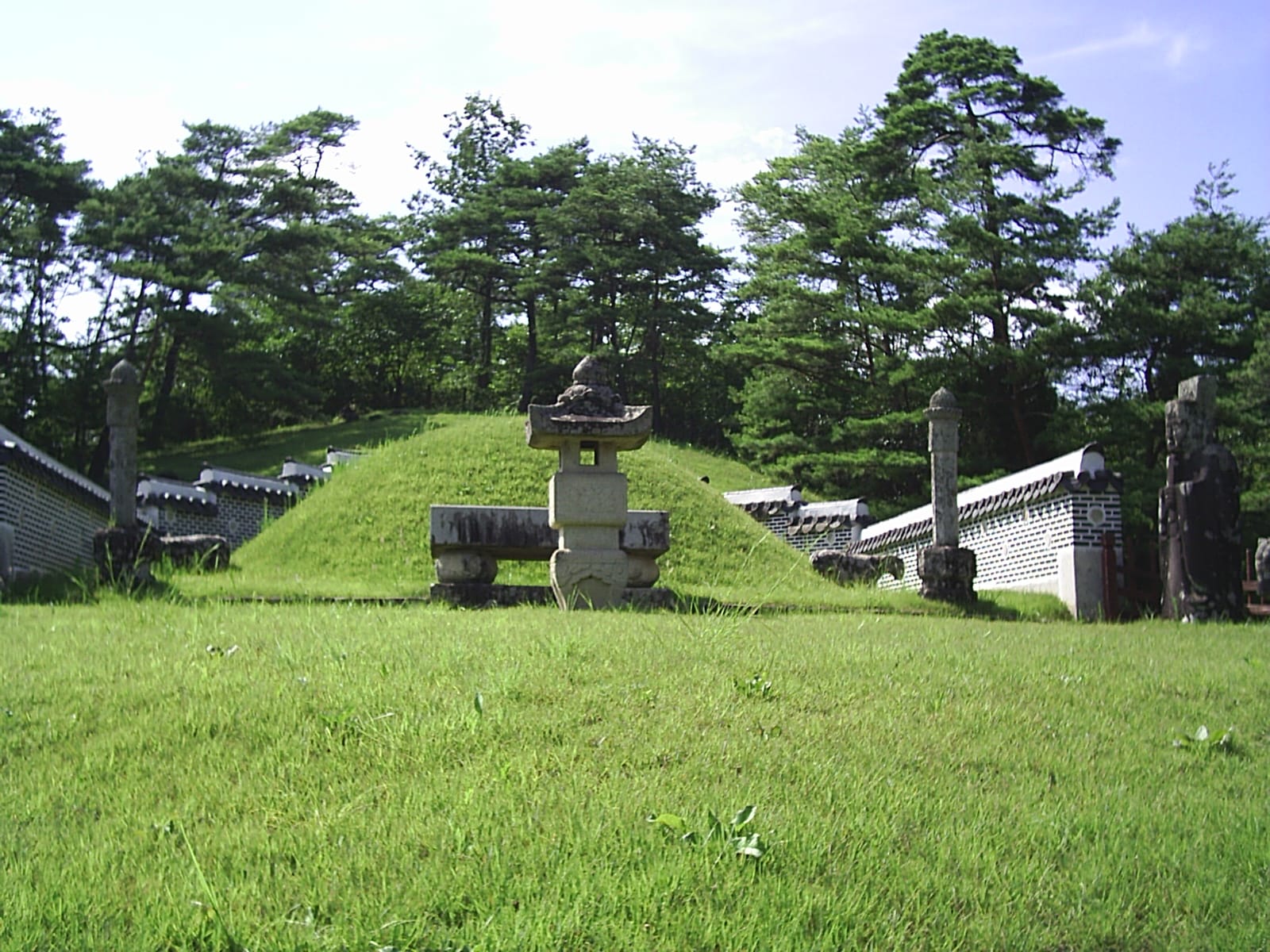
Woljongdo ties Danjong’s history to the Yeongwol region in northeastern Korea, showing sites linked to his exile and the surrounding geography. Among the scenes are depictions of Jangneung, the royal tomb for Danjong, and other places tied to his last days, including Cheongnyeongpo, where he was held in exile, as well as locations associated with the loyalists who remained faithful to him, such as Gwanpungheon and Jakuru.
A highlight of the collection is Changjeolsa-do, which portrays the shrine to those who honored Danjong’s memory and the loyalists known as the Sahyukshin. The album also depicts the 정려각 building honoring Eom Heung-do, who safeguarded the king’s legacy after his death, along with other Danjong-related sites in Yeongwol, including a map-like view of the town’s administrative center.
The set also includes depictions of Yeongwol’s urban layout (Eupchi-do) and a broader Yeongwol map (Yeongwoldo), providing a geographic portrait of the region. In the Cheongnyeongpo scene, the painting captures a winding watercourse and the terrain’s contours, offering a sense of the land as it appeared in the late Joseon era.
Woljongdo is executed in a blue-green landscape painting style and blends real landscape rendering, architectural drawings, and pictorial maps. Brief notes are written in the margins of each image, inviting viewers to study both historical events and the geography of the sites depicted.

A Kyujanggak official describes Woljongdo not merely as an old painting but as a historical record of Danjong’s tragic life and the royal court’s memory of him. The works offer a rare opportunity to examine Joseon-era royal art and documentary culture through concrete places and people.
For U.S. audiences, the exhibit offers a window into how dynastic memory, loyalty, and statecraft were encoded in visual culture in Joseon Korea. The eight-panel Woljongdo, designated a National Treasure and dating to the 1790s, illuminates early Korean cartography, topography, and architectural visualization—areas of active interest for historians, art historians, and cultural diplomacy. The display also highlights Korea’s ongoing efforts to preserve and share national heritage with global audiences through museums, scholarly exchange, and international travel.