South Korea fuel prices drop after price cap; diesel falls faster than gasoline
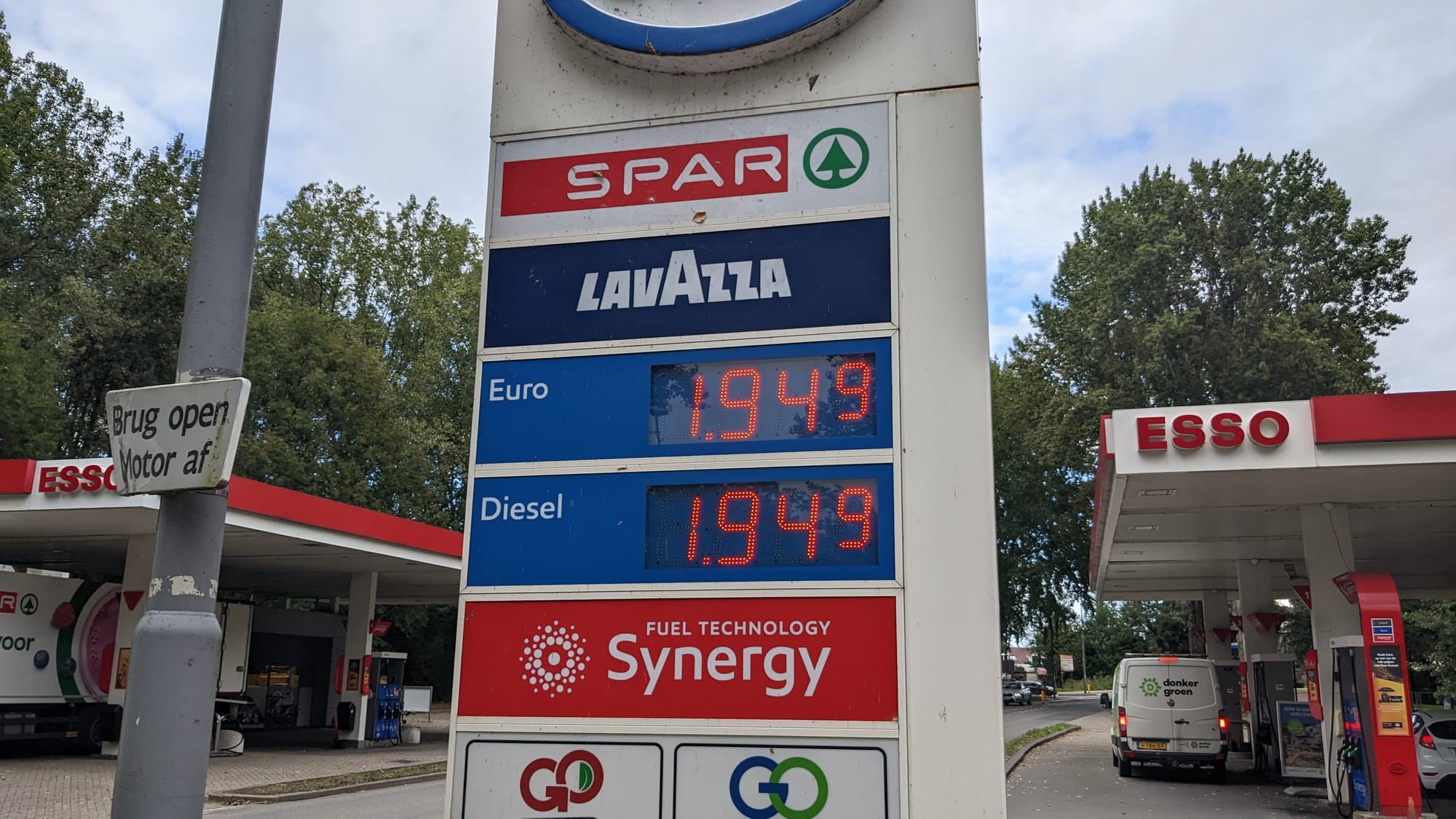
Prices at South Korean gas stations fell on the morning of the 14th, the second day after the government introduced an oil price ceiling. The national average for gasoline was 1,851.9 won per liter, down 12.2 won from the previous day, while diesel averaged 1,856.1 won per liter, down 16.6 won, according to Korea National Oil Corporation’s Opinet data.
In Seoul, the average price also slipped: gasoline at 1,871.1 won per liter, down 16.5 won, and diesel at 1,863.1 won per liter, down 16.2 won. Diesel remained pricier than gasoline but the gap narrowed significantly from earlier in the week.
Officials attributed the faster fall in diesel prices to how the price ceiling policy sets the maximum price differently for diesel and gasoline, resulting in a quicker decline for diesel when prices ease. The price cap’s design appears to be influencing which fuels adjust more rapidly in the domestic market.
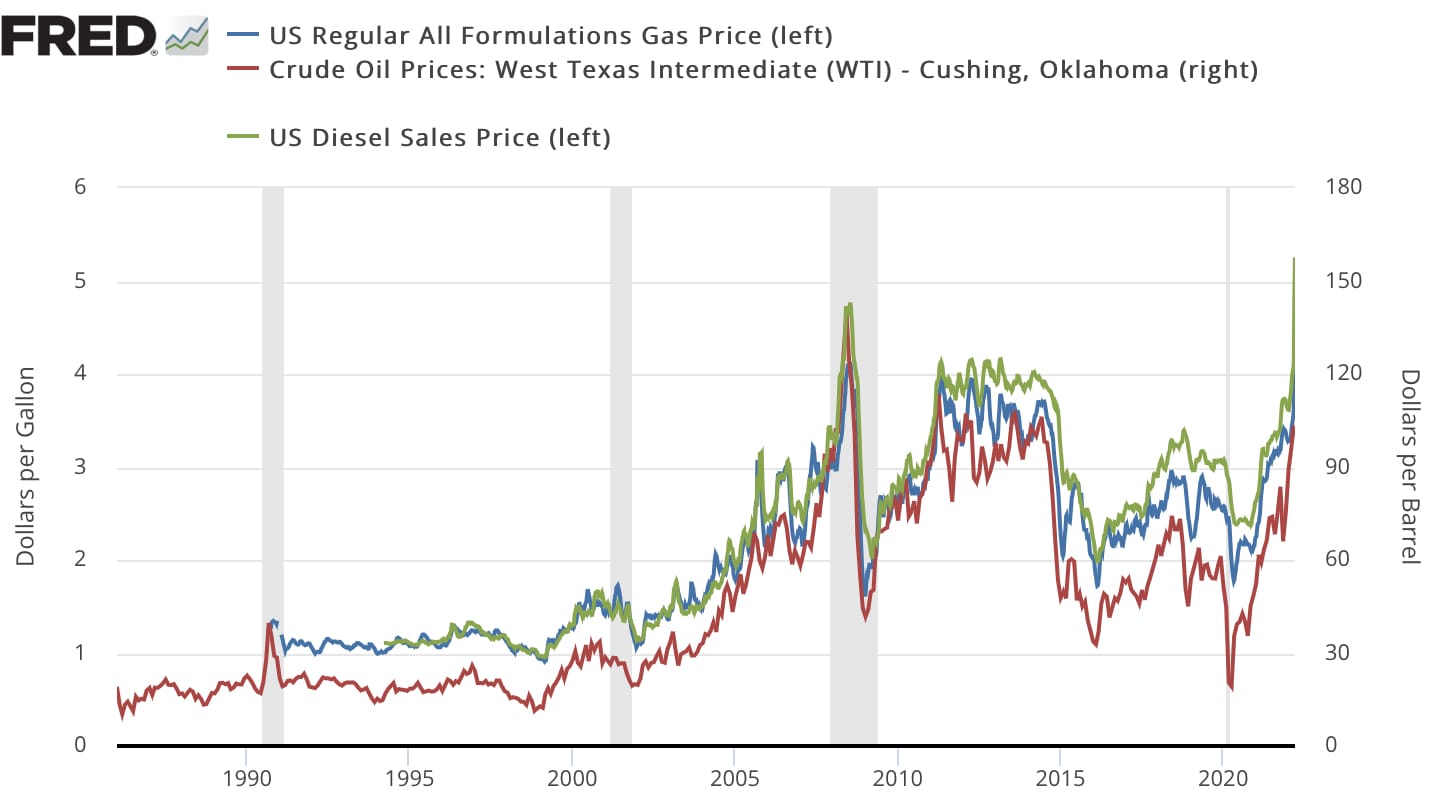
Domestic oil prices had surged after tensions in the Middle East and were trading at or near peaks on Oct. 10, but have since trended down. Still, international benchmarks remained elevated due to ongoing Middle East tensions and supply cuts by oil-producing nations, though the rise was tempered by an agreement among IEA members to release strategic stocks.
Dubai crude, used as a pricing reference for imported oil, rose to $123.5 per barrel, up $34.6 from the previous week. International gasoline and diesel prices climbed to $126.3 per barrel and $176.5 per barrel, up $25.3 and $37.5 respectively, reflecting tighter markets and supply concerns.
An industry official noted that changes in international oil prices typically take two to three weeks to fully reflect in domestic pump prices, but the oil-price ceiling complicates near-term forecasting. The policy introduces a new dynamic for how quickly domestic prices respond to global moves.
For U.S. readers, the development matters because South Korea is a major Asian economy with strong trade and supply-chain linkages to the United States. Movements in Korea’s fuel prices influence inflation and consumer costs there, with potential spillovers into regional markets and the broader global energy complex. The situation also highlights how allied nations are experimenting with price controls in response to volatile oil markets and how such measures interact with international price signals and security considerations in the Middle East.