Middle East tensions threaten Korea's ethylene output, impacting global plastics supply chains.
Disruptions to Middle East oil supplies are rippling through South Korea’s petrochemical industry, with the country’s ethylene production potentially at risk. A reporter on the ground in Yeosu, in the southern Jeolla province, says the area’s large ethylene plant is trying to run on existing feedstock while facing renewed pressure from a war-induced supply squeeze.
Yeocheon NCC, Korea’s largest ethylene producer, has an annual capacity of about 2.28 million tons. The plant is currently operating on existing naphtha stocks, but the war’s fallout is complicating the intake of fresh feedstock. Naphtha, a liquid hydrocarbon obtained from refining crude oil, is processed into ethylene, which in turn serves as a key building block for plastics, fibers and other petrochemical products.
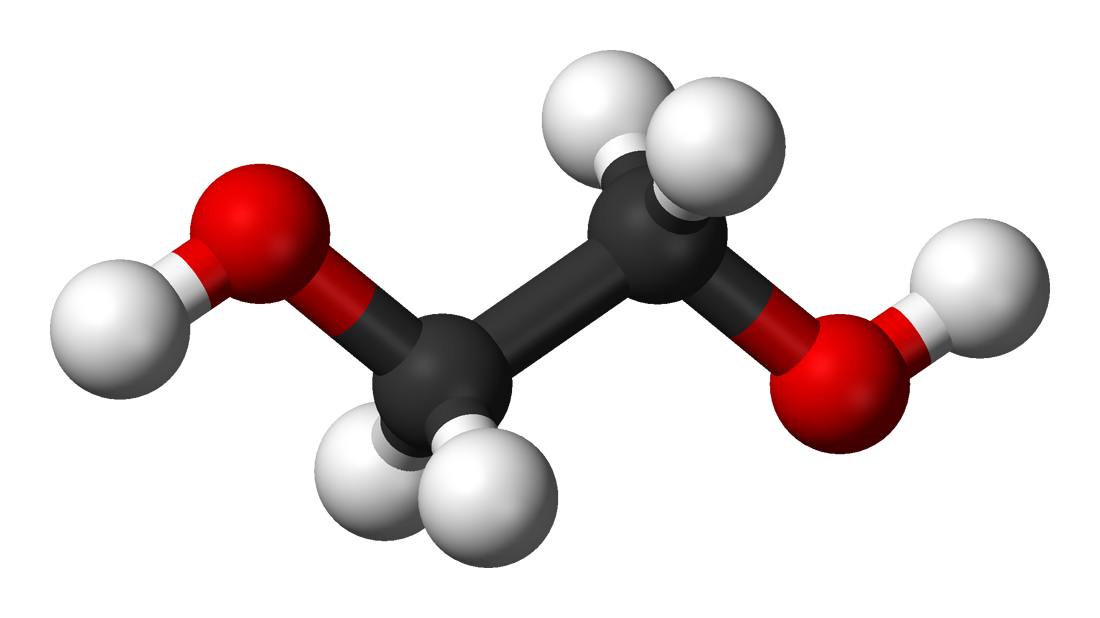
A large share of Korea’s imported naphtha and crude oil arrives via the Strait of Hormuz. The report notes that about half of imported naphtha and roughly 70% of imported crude pass through Hormuz, making the supply route highly sensitive to regional tensions. If access to these imports is constrained, naphtha and thus ethylene production could be seriously disrupted.
The potential stoppage of ethylene supply would threaten downstream sectors such as rubber, plastics, and textiles. Yeocheon NCC informed its customers that supply could be delayed or adjusted due to unstable imports. This marks the first time a Korean petrochemical firm has declared force majeure because of supply constraints.
In response, producers have begun reducing operating rates to avoid outright plant shutdowns. Yeocheon NCC cut production to preserve remaining feedstock, and other ethylene-capable plants have announced force majeure risk and lowered operating rates to about 60%–70%. Companies are also attempting to secure alternative supplies and are relying on stockpiles; some are evaluating imports from the United Arab Emirates as a substitute source.
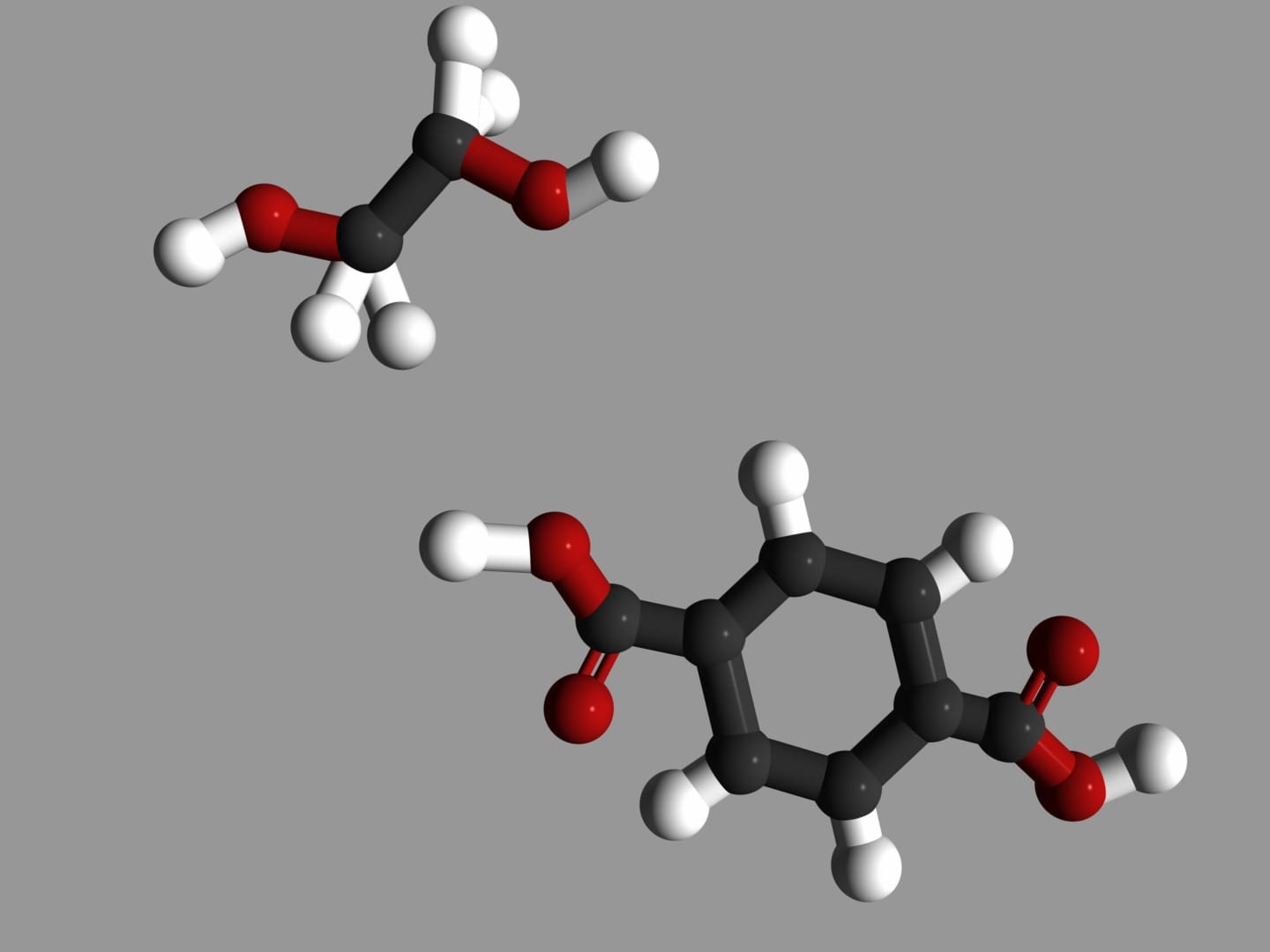
If the Middle East crisis persists or widens, the Korean petrochemical sector could face a broader, sustained hit. The implications extend beyond Korea, given ethylene’s central role in global plastics and chemical markets. Higher or more volatile ethylene and feedstock prices could feed into costs for U.S. manufacturers and downstream consumers, influencing supply chains, product pricing, and competitiveness in industries ranging from packaging to electronics and automotive components.
For U.S. readers, the situation underscores how regional conflicts can affect global supply chains for plastics and chemicals. Even when production is geographically distant, Korea’s role as a major Asian petrochemical hub means disruptions can reverberate through global markets, affecting prices, availability, and planning for multinational manufacturers and suppliers.