SK On Expands Beyond EVs with Safer ESS and Pack Tech at InterBattery
South Korea’s SK On wrapped up a three-day presence at InterBattery 2026, Seoul’s largest domestic battery industry exhibition held at COEX in the Gangnam district. The company outlined its role in the evolving energy-storage and electrification landscape as it showcased next-generation battery technologies and safety innovations.
SK On’s booth drew a mix of visitors from the battery and automotive sectors, as well as ambassadors, university students and general spectators. The company titled its expo display Unlock the Next Energy, highlighting efforts to broaden battery technology from electric vehicles into other industries such as energy storage systems and robotics.
The exhibition organized its content into three zones—Lead Tech, Future Tech and Core Tech—and offered hands-on experiences designed to let attendees observe battery manufacturing and research activities. The interactive setup was intended to be more than a static showcase, giving visitors a closer look at development processes.
Core Tech attracted particular interest with its energy storage system displays. Industry representatives asked questions about safety and operational efficiency, underscoring the growing demand for safe, scalable ESS solutions as deployments expand beyond vehicles into grid and commercial uses.
SK On highlighted its lithium iron phosphate (LFP) pouch batteries for electric vehicles and ESS, noting current energy densities of 350–450 Wh per liter, with research aimed at reaching 500 Wh/L. The company also presented an EIS-based container ESS DC block, a safety-oriented diagnostic system that assesses internal electrochemical states to detect anomalies early.
Beyond stand-alone cells, SK On demonstrated several pack-level integrations. Attendees could see NCM batteries used in the Genesis GV60 Magma, as well as applications in Hyundai WIA’s autonomous delivery robots. The show featured a four-pack lineup built around pouch-to-pack, large-area cooling (LSC) pouch-to-pack, pouch-to-prismatic packs, and immersion cooling technologies, all presented together for the first time.
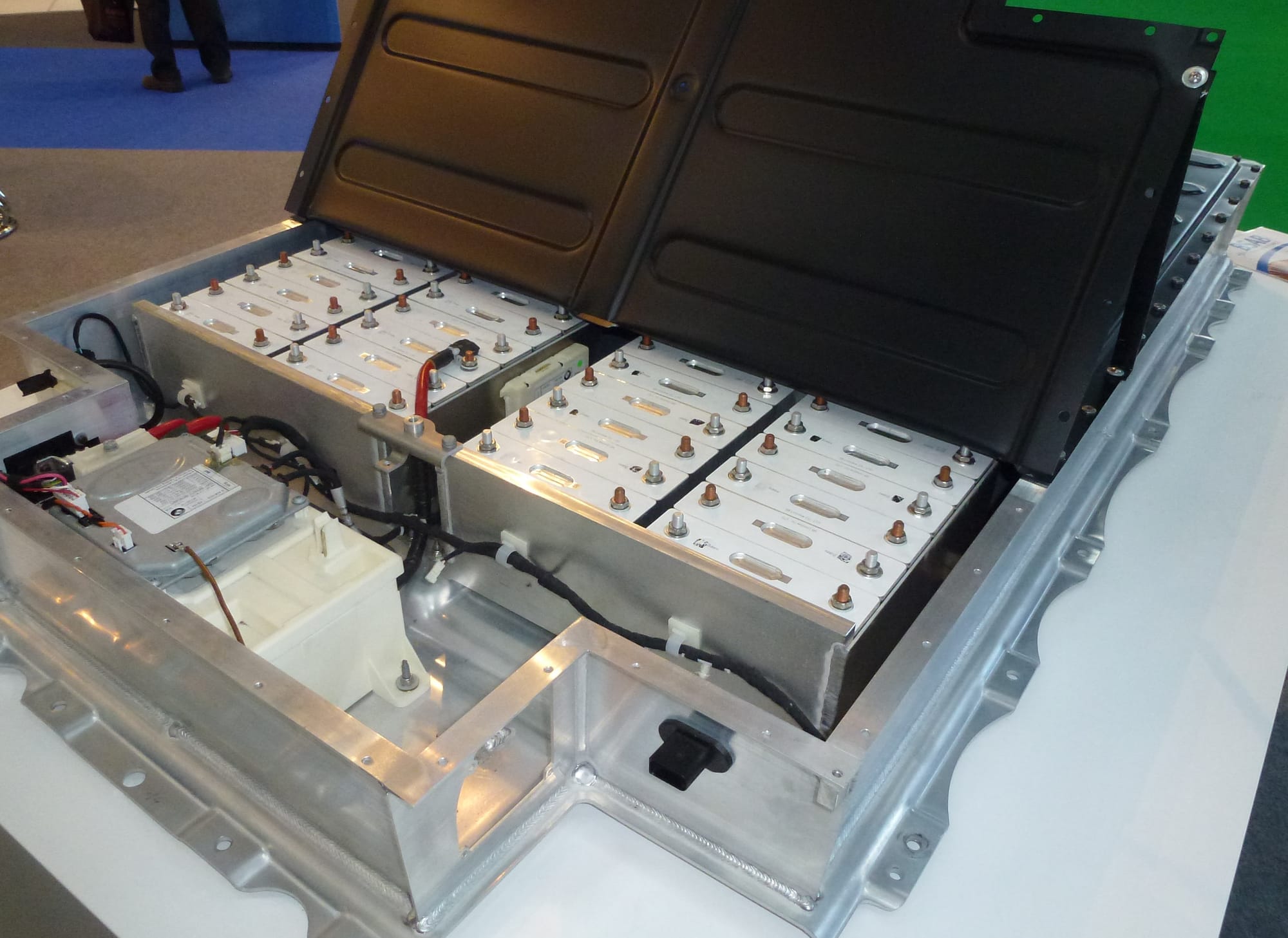
One notable technology, the LSC cooling approach, places cooling plates between cell contact surfaces, offering cooling performance up to about three times higher than indirect cooling methods. The event also spotlighted prismatic on-vent cells, which won InterBattery 2026 awards, highlighting safety features and design flexibility for prismatic formats.
A SK On executive said the company used InterBattery to illustrate how its battery portfolio extends beyond electric passenger cars to ESS and robotics, aiming to expand customer engagement with cost-competitive, safe products. The emphasis on expanded applications reflects a broader move in the industry toward versatile energy storage and integrated power systems.
Why this matters for the United States: SK On’s push into higher-density, safer ESS and diverse pack configurations signals potential shifts in global battery supply chains, pricing, and reliability. As U.S. manufacturers, utilities and data-center operators increasingly depend on secure, scalable energy storage, developments in cell-to-pack designs, LFP chemistry, advanced cooling, and safety diagnostics from major Korean players like SK On could influence procurement, pricing and standards in North American markets. The expo also illustrates Korea’s ongoing role in the global race to advance battery technology, diversify applications beyond EVs, and strengthen cross-border collaboration in energy and mobility sectors.