South Korea police chief apologizes publicly for 3.15 uprising
In a historic first, the head of the Gyeongnam Provincial Police Agency publicly apologized on behalf of the police to the victims and families of the 3.15 uprising. Police chief Kim Jong-cheol delivered the apology during a memorial ceremony at the National 3.15 Democratic Cemetery in Masan, now part of Changwon, on the morning of March 14, 2026, one day before the 66th anniversary of the 1960 protest.
Kim spoke as the police representative, telling mourners that the police, which should protect life and human rights, had instead caused harm to the very people it serves. He said it was far past due, but as a senior official at the time, he offered a sincere apology and pledged reforms to prevent police power from being misused through stronger institutions and better education.
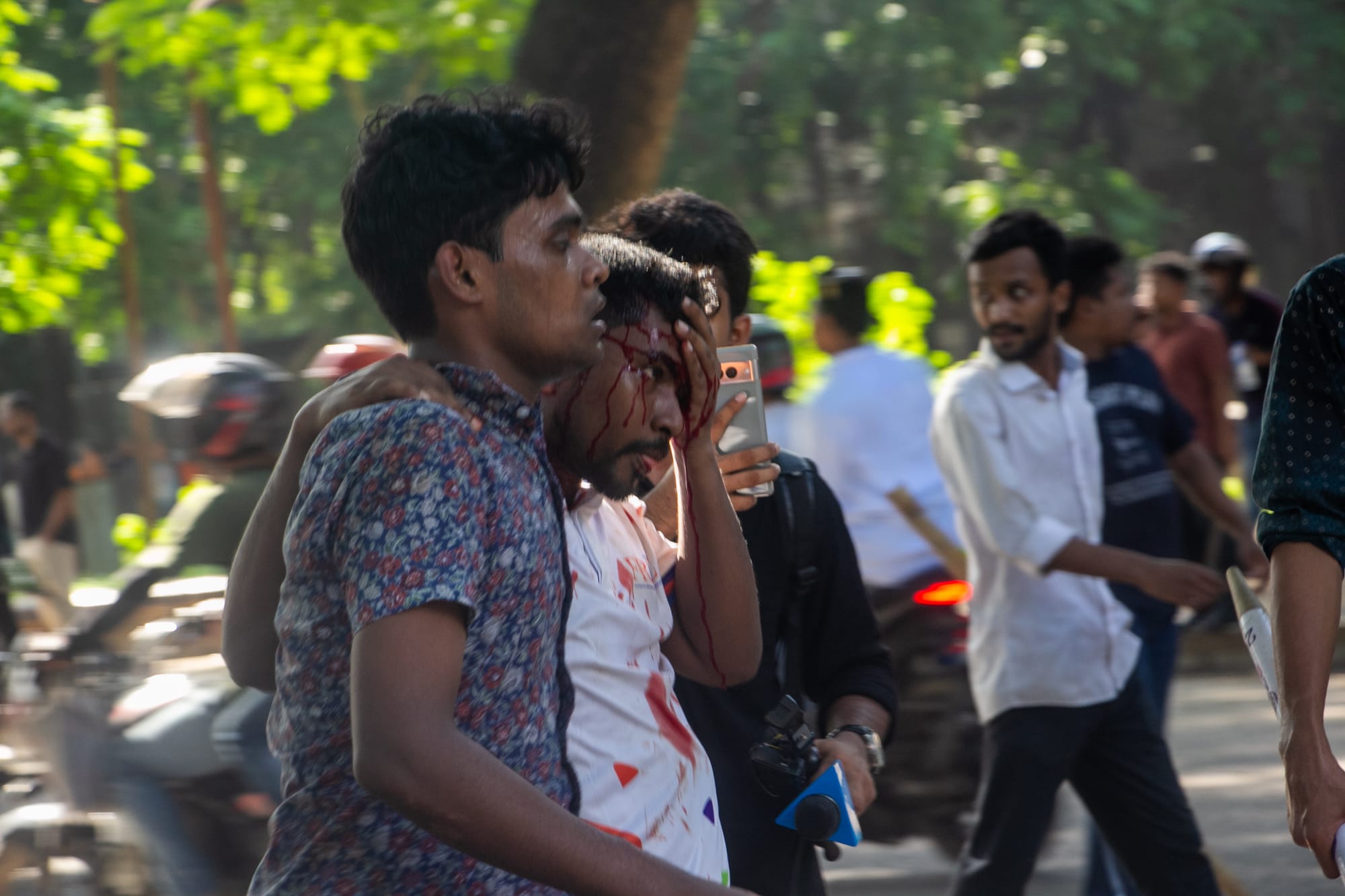
The ceremonies underscored that the 3.15 uprising was a pivotal moment in South Korea’s democracy. Organizers and officials emphasized that the protests—rooted in opposition to a rigged election under the Syngman Rhee administration—helped lay the groundwork for Korea’s democratic reforms.
For years, groups representing victims and bereaved families had pressed for an official police apology. The 2026 ceremony marked the police’s formal acknowledgement, a step many had sought as part of a broader reckoning with state power and civil rights abuses.
Prior to addressing the crowd, Kim had visited the National 3.15 Democratic Cemetery to pay respects, signaling a broader commitment within the Gyeongnam Police to reflect on the uprising’s history and the ongoing duty to uphold democracy and human rights.
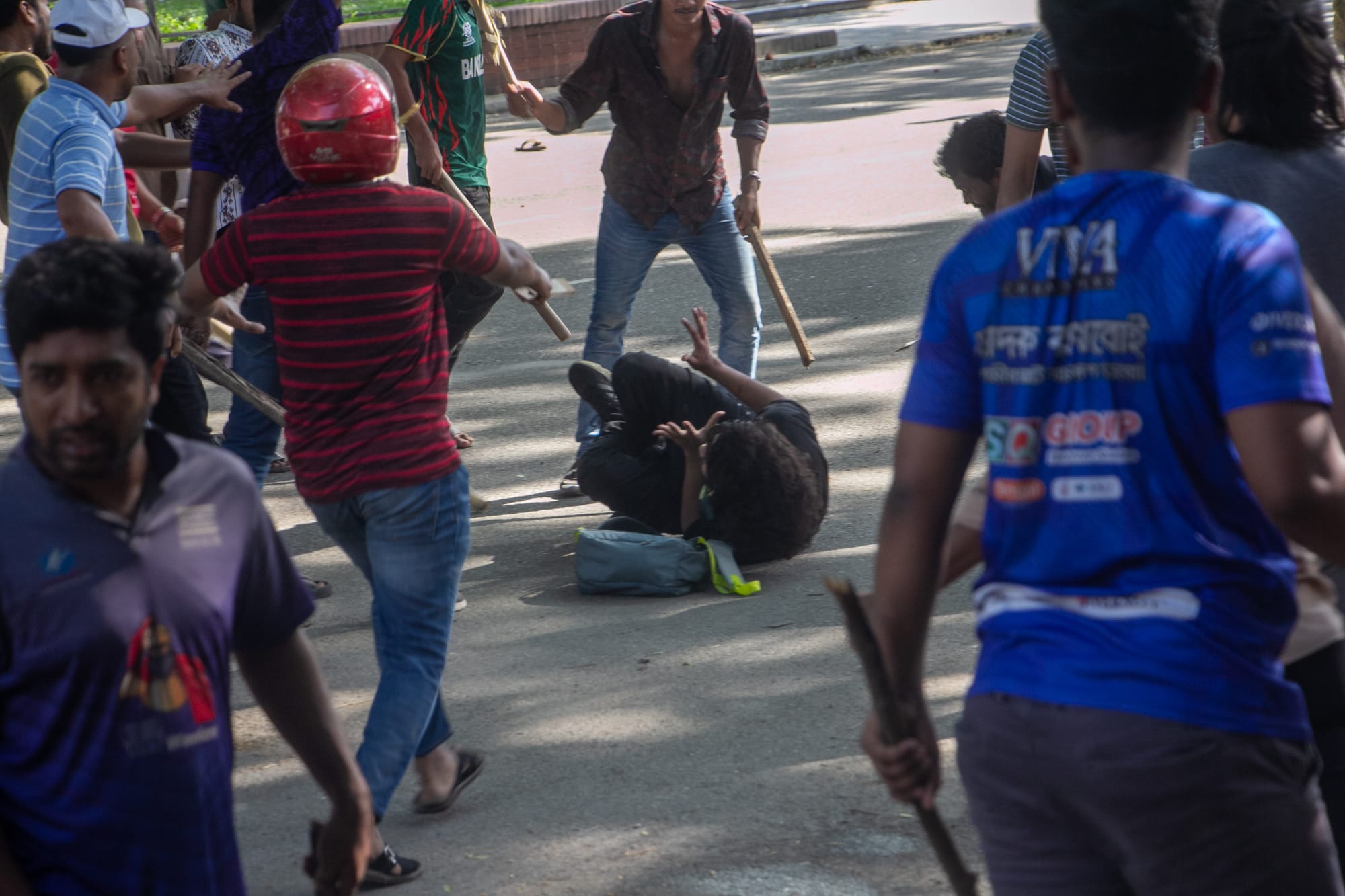
Attendees included relatives of the deceased, veterans’ organizations, and members of the public who laid flowers and observed a moment of silence. The 3.15 uprising began with large protests in Masan on March 15, 1960, against electoral irregularities, and police fired live ammunition and tear gas at demonstrators and bystanders, killing several people and prompting the later discovery of Kim Ju-yeol’s body on April 11. The incident is widely regarded as a catalyst for the April 19 Revolution that helped accelerate Korea’s democratic transition.
For international readers, the apology matters beyond Korea because it touches on universal questions of police accountability, historical reckoning, and democratic governance. South Korea’s handling of past abuses intersects with U.S.-South Korea security ties, regional stability in Northeast Asia, and shared concerns about protecting civil liberties within advanced, alliance-driven democracies. It also highlights how allies confront difficult histories while strengthening institutions to prevent abuses of power.