South Korea expands medical school quotas for 2027-2031 to bolster Daegu regional healthcare
South Korea’s Ministry of Education on Tuesday unveiled a plan to allocate medical school quotas for the 2027–2031 academic years, a move that regional universities in Daegu welcomed as a step to strengthen local healthcare capacity. The plan aims to address persistent regional medical workforce shortages and to reduce gaps in essential medical services by expanding related educational infrastructure.
Kyungpook National University, the only national university in the Daegu area, will boost its medical school intake to 136 new students in 2027, up 26 from the current year. The university said it would contribute to training doctors for the region as a leading national university, but also cautioned that the increased intake could place additional burdens on teaching and administrative resources given the number of returning students affected by long-term class delays during the prior administration’s policy disputes.
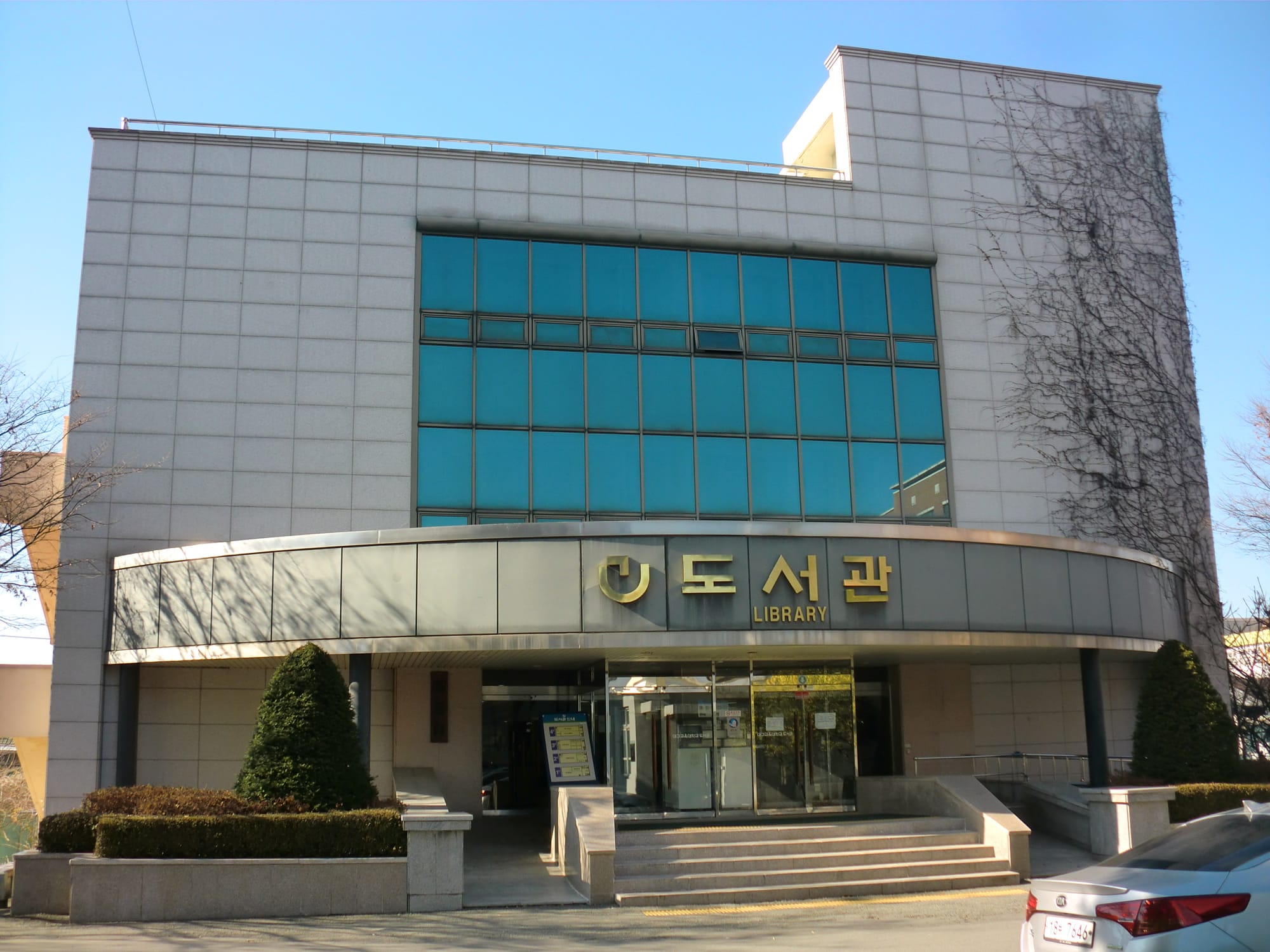
Yeungnam University in Daegu also welcomed the direction, announcing that its medical school intake will rise to 89 students next year, up 13 from this year. The university stressed that it agrees with the government’s policy goals and pledged to uphold its role by expanding practical training facilities and instructor capacity to produce graduates with essential medical competencies.
Keimyung University and Daegu Catholic University, both in Daegu, also reported increases in their medical school quotas—by 15 and 13 students respectively—under the new plan. Keimyung University said it would invest in expanding and improving educational facilities to ensure classes proceed smoothly, while Daegu Catholic University noted that new construction and the procurement of essential clinical training equipment were in the final stages.
The government’s allocation plan will undergo a formal process, including opportunities for universities to submit opinions or objections. Institutions must respond by the 24th, after which the final quotas will be confirmed next month. If approved, universities will revise their school regulations and admissions plans for the 2027 admissions cycle by around May.
Context for international readers: Daegu is a major southeastern city, and Kyungpook National University is a prominent national university located there. Yeungnam University, Keimyung University, and Daegu Catholic University are private or non-profit institutions with large regional student bodies and active medical schools. Korea’s push to expand medical education reflects a broader effort to improve healthcare access and quality, particularly outside the capital, with possible implications for regional hospital staffing, medical research collaborations, and the supply chain of Korean medical expertise.
For the United States, the development signals continued Korean investment in medical education and infrastructure, which could influence international collaboration in health research, cross-border clinical training partnerships, and the availability of Korean-trained physicians for exchange or joint programs as Korea seeks to strengthen its healthcare system and related industries.