Debris from suspected drone hits Dubai's DIFC; no injuries reported
Debris from a projectile suspected to be a drone struck the exterior wall of Dubai’s International Financial Centre (DIFC) in the city’s downtown area on the 13th of the month, local time. Dubai’s government information office said that after an interception, debris hit the building’s outer wall and caused a minor incident; no injuries were reported. Officials did not disclose whether the target was a drone or a missile.
Witnesses described two large explosions in the morning with black smoke rising over the area. The debris fell in the DIFC, which is Dubai’s financial hub and hosts a number of international banks and financial institutions.
Among the tenants in the area are Goldman Sachs and Citigroup, with Korean banks such as Shinhan Bank also having offices there. The incident underscored the DIFC’s role as a global finance center that relies on stable security conditions for its multinational operations.
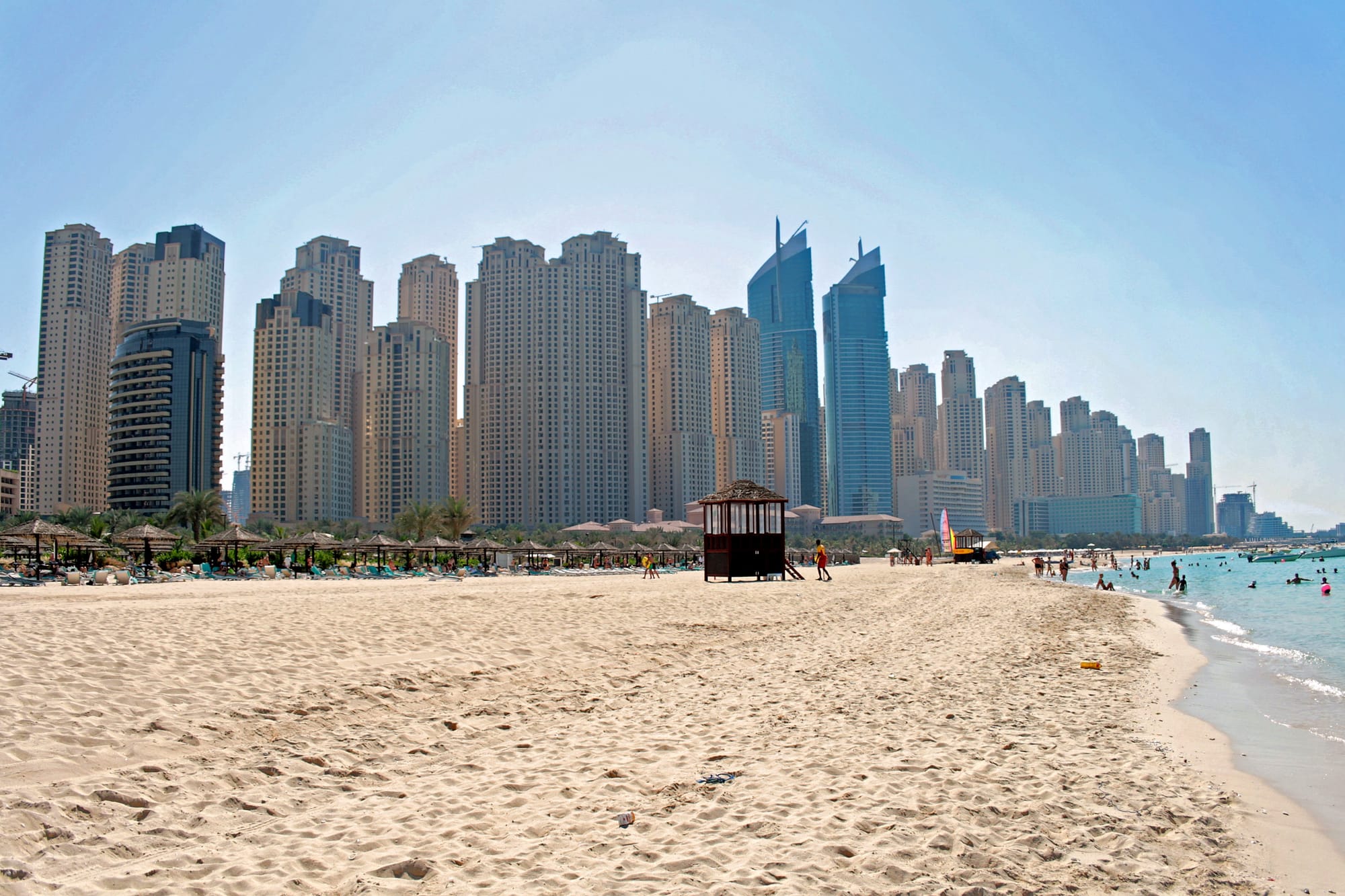
A day earlier, debris from a downed drone fell near a high-rise along Sheikh Zayed Road, damaging parts of the building exterior. In Creek Harbour, a separate drone incident involved a collision with the upper floors of a luxury hotel and apartment complex, triggering a fire.
Iran and the UAE had maintained relatively cordial economic relations before the broader regional conflict, but Tehran has intensified attacks on the UAE, framing them as actions against what it calls the presence of U.S. bases in the Gulf.
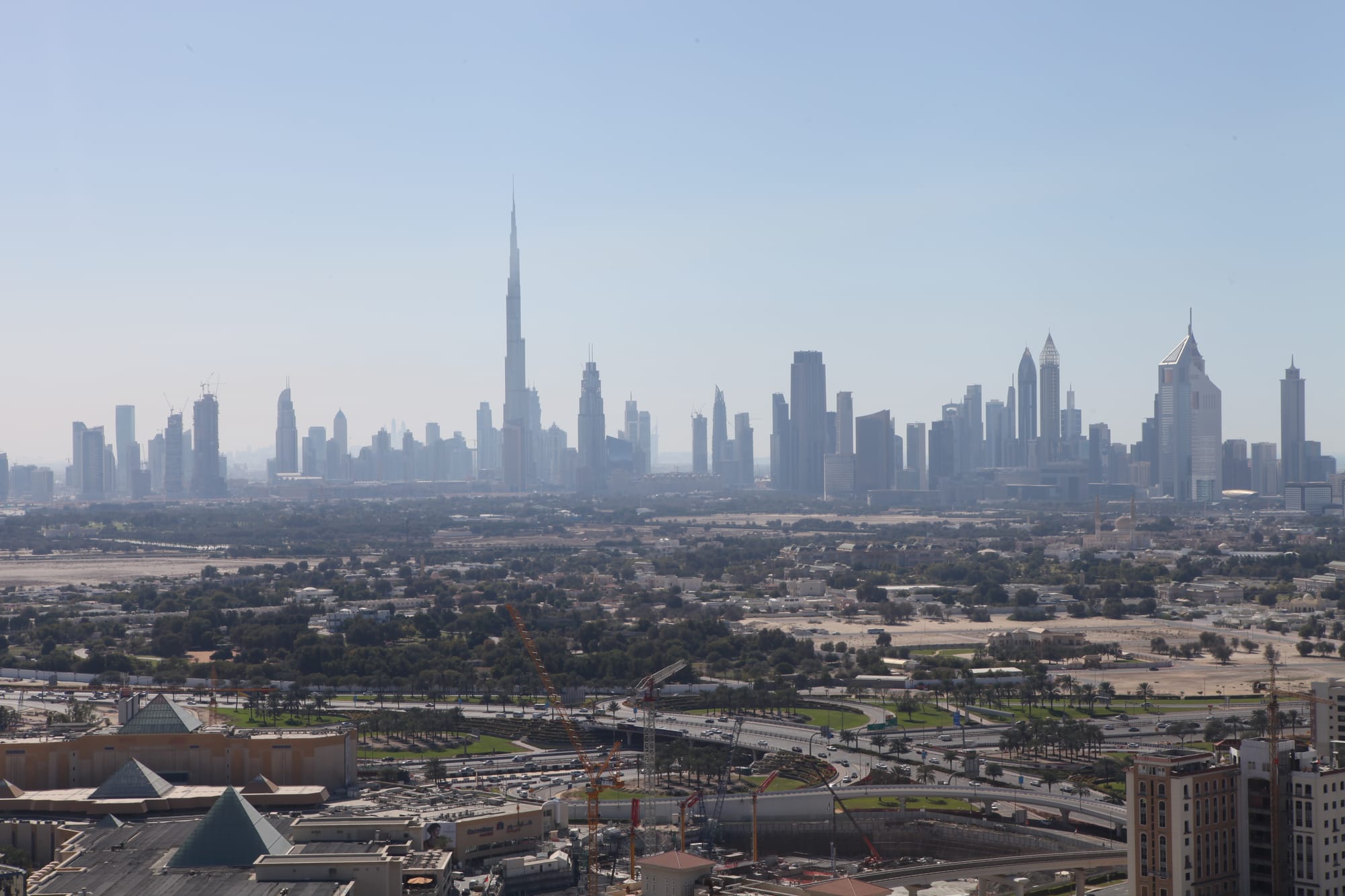
The UAE’s Defense Ministry said as of the 12th, Iran had launched 278 ballistic missiles, 15 cruise missiles, and 1,540 drones that were intercepted. The reported figures reflect ongoing security challenges in the Gulf region and the strain on civilian infrastructure and international business ties.
For U.S. readers, the episodes matter because Dubai’s DIFC is a major touchpoint for global finance, including American and other Western firms. Instability or repeated attacks in the Gulf can influence investment sentiment, insurance costs, and risk assessments for U.S. companies operating in the Middle East, as well as the security posture of American partners in the region.
Context is important: the DIFC operates as a standalone financial free zone with its own regulator and court system, separate from Dubai’s traditional regulatory framework, and hosts a broad mix of international banks and asset managers. The presence of a Korean bank and global lenders illustrates Korea’s financial ties to Gulf markets and the potential indirect impact on Korean firms through market volatility or shifts in regional banking operations.